When it comes to transforming interior spaces, the choice between wall fabric and traditional paint has become increasingly important for homeowners and designers. Wall fabric offers distinct advantages that paint simply cannot match, from aesthetic appeal to functional performance. Understanding these differences helps you make an informed decision that aligns with your specific needs, budget, and design vision. This article explores why wall fabric has emerged as a superior alternative to conventional painting in many applications.
The growing popularity of fabric wall covering solutions reflects a fundamental shift in how people approach interior design and wall treatment. Unlike paint, which presents a flat, one-dimensional finish, wall fabric introduces texture, depth, and visual interest that elevates any room. Modern wall fabric options combine beauty with practicality, offering solutions that address common interior challenges while maintaining style and sophistication.
Fabric wall covering provides superior resistance to physical wear compared to painted surfaces. Paint deteriorates rapidly in high-traffic areas, showing scuffs, marks, and peeling within months or years. Decorative wall fabric, by contrast, withstands daily contact, impacts, and environmental stress without compromising its appearance. The fabric's inherent structure absorbs minor impacts rather than chipping or cracking, ensuring your walls maintain their pristine look for extended periods.
Paint requires frequent touch-ups and repainting to maintain visual appeal, particularly in kitchens, hallways, and children's rooms where contact and staining are inevitable. Acoustic wall fabric eliminates this maintenance burden by providing a durable surface that resists common household damage. The investment in quality fabric wall covering pays dividends through reduced maintenance costs and fewer renovation cycles.
Another critical advantage of fabric wall covering is color stability and pattern retention. Paint fades noticeably under sunlight exposure, temperature fluctuations, and humidity changes, forcing homeowners to repaint regularly. Decorative wall fabric utilizes advanced dyeing and printing technologies that lock color into fibers, preventing fading and discoloration over years of exposure. This permanence means your design choices remain vibrant and intentional without constant refreshing.
The consistency of pattern and color in acoustic wall fabric creates a cohesive interior environment that maintains its designed aesthetic indefinitely. This stability particularly benefits commercial spaces and residential areas receiving substantial natural light, where paint would require expensive and disruptive repainting cycles.
Acoustic wall fabric provides sound-dampening properties that paint cannot deliver. In open-plan homes, offices, and commercial spaces, excessive noise and echo create uncomfortable environments that reduce productivity and quality of life. Fabric wall covering absorbs sound waves, reducing reverberation and creating acoustically balanced spaces. This performance improvement makes acoustic wall fabric invaluable in recording studios, offices, educational facilities, and homes with multiple family members.
Paint offers no acoustic benefits whatsoever; it reflects sound, amplifying noise problems rather than addressing them. For anyone concerned about noise control, acoustic wall fabric becomes not merely an aesthetic choice but a functional necessity. This acoustic advantage often justifies the investment difference between fabric wall covering and paint alone.
High-quality fabric wall covering manages humidity and moisture differently than painted drywall. Natural fabric fibers regulate moisture by absorbing excess humidity during damp periods and releasing it when conditions dry out. This breathing capability prevents moisture accumulation that can trigger mold growth, paint peeling, and structural damage in bathrooms, kitchens, and basements. Paint, particularly latex varieties, creates moisture barriers that can trap condensation against walls, creating ideal conditions for mold and mildew development.
Decorative wall fabric maintains healthier wall environments by promoting natural air circulation and moisture regulation. This advantage extends the lifespan of underlying wall structures and improves indoor air quality, contributing to healthier living and working spaces.
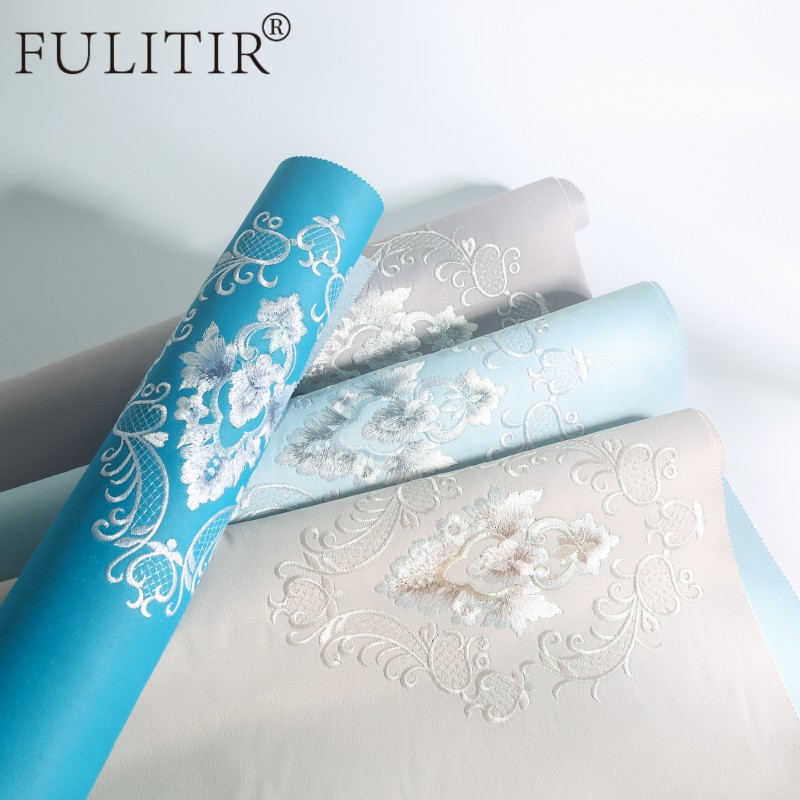
The tactile quality and three-dimensional presence of wall fabric create interior spaces with far greater visual and sensory appeal than flat painted walls. Texture in decorative wall fabric adds sophistication and visual depth that commands attention and creates designer-quality interiors. Fabric options range from subtle weaves to bold patterns, embroidered details, and dimensional surfaces that photograph beautifully and feel luxurious to the touch. Paint cannot replicate this textural richness; it remains fundamentally flat regardless of application technique.
Homeowners and designers increasingly recognize that wall fabric transforms ordinary rooms into curated, intentional spaces that reflect personal style and sophistication. The investment in quality fabric wall covering signals commitment to design excellence and creates interiors that feel premium and thoughtfully designed.
Acoustic wall fabric and other fabric wall covering solutions offer unprecedented customization possibilities compared to standard paint. Many manufacturers provide options for custom colors, patterns, and even embroidered designs that turn walls into personalized design statements. This level of creative control allows designers and homeowners to express individual aesthetics and create spaces that truly reflect their vision and values.
Paint limits design expression to solid colors or basic patterns achievable through labor-intensive techniques like stenciling or faux finishing. Decorative wall fabric democratizes sophisticated design by making premium aesthetic options accessible without requiring specialized artistic skills or time-consuming application processes.
Acoustic wall fabric far outperforms soundproofing paint in noise reduction effectiveness. While specialized acoustic paints offer marginal improvement over standard paint, fabric wall covering absorbs substantially more sound energy through its fibrous structure. For meaningful acoustic improvements, fabric wall covering is the superior choice. Soundproofing paint remains marketing-driven with minimal real-world performance, whereas quality acoustic wall fabric delivers measurable, significant sound absorption.
Quality decorative wall fabric resists staining through protective treatments and fabric composition that repels liquids and dust. Many fabric wall covering options feature stain-resistant finishes that prevent permanent marking from common household substances. Paint, conversely, absorbs stains readily and cannot be easily cleaned without damaging the finish. For households with children or pets, or commercial spaces with high traffic, fabric wall covering provides superior stain resistance and easier maintenance than painted walls.
Professional installation of fabric wall covering and acoustic wall fabric requires specialized expertise, making initial installation more involved than painting. However, the superior longevity of decorative wall fabric means installation happens far less frequently than repainting cycles. Over a ten-year period, wall fabric proves more cost-effective and convenient than repeated painting projects. Most manufacturers provide professional installation services, ensuring proper application that maximizes the performance and aesthetic benefits of fabric wall covering.

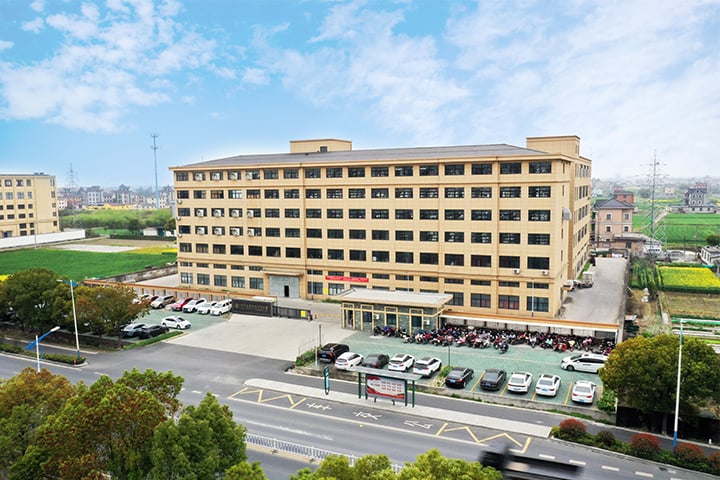
Hangzhou Meibi Decoration Material Co., Ltd. (FULITIR) delivers premium wallcoverings & soft decor solutions for luxury homes and chain hotels, trusted by Lavande, Vienna, Kyriad.
No.2001,Meilin Road,DangWan Town,XiaoShan district, HangZhou city,China
Copyright © 2026 Hangzhou Meibi Decoration Materials Co., Ltd. All rights reserved. Privacy Policy

 EN
EN
 Hot News