Choosing the right color for your interior walls is one of the most impactful design decisions you can make. Wall fabric offers an exceptional alternative to traditional paint and wallpaper, providing both aesthetic versatility and functional benefits. Unlike conventional wall treatments, wall fabric delivers sophisticated color options while adding texture, acoustic properties, and durability to your spaces. Whether you are designing a residential home, corporate office, or commercial environment, understanding the full spectrum of wall fabric color choices empowers you to create the exact atmosphere your project requires.
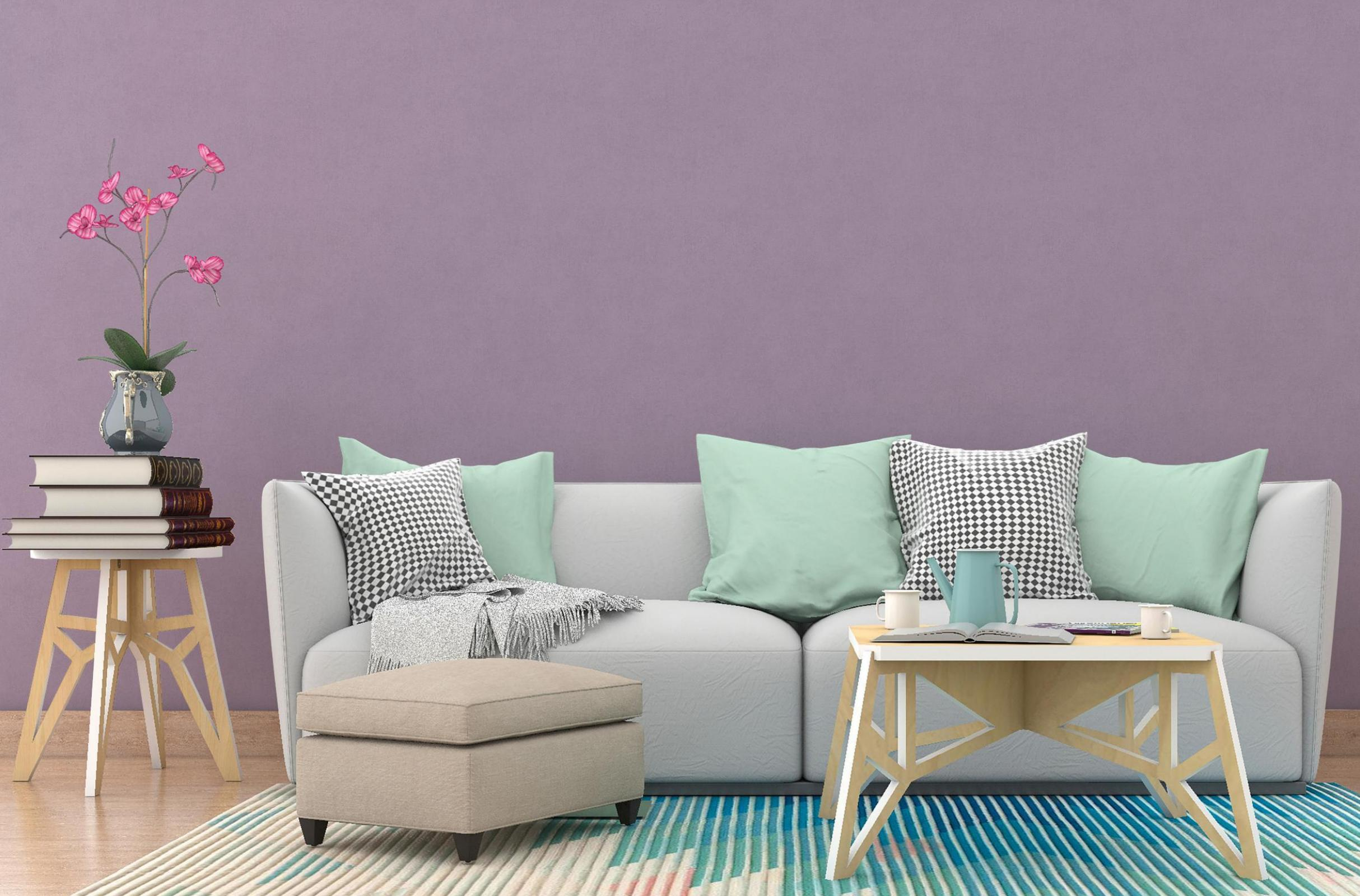
The market for decorative wall fabric has expanded dramatically in recent years, offering designers and property managers more control over color expression than ever before. Premium fabric wall covering manufacturers now produce collections spanning neutrals, jewel tones, earth shades, and bold accent colors. This comprehensive range ensures that every design vision, from minimalist corporate settings to vibrant creative studios, can be realized through carefully selected wall fabric solutions.
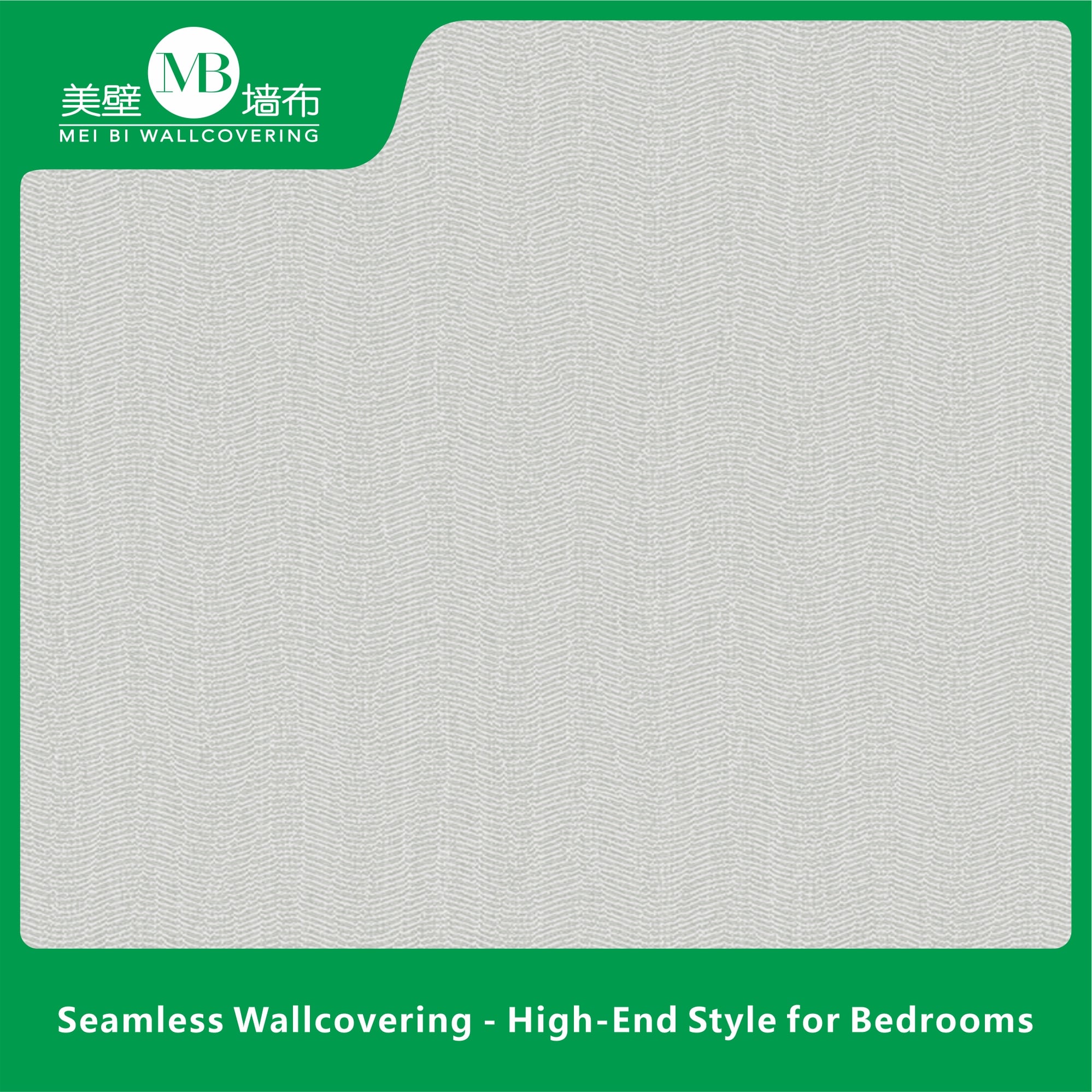
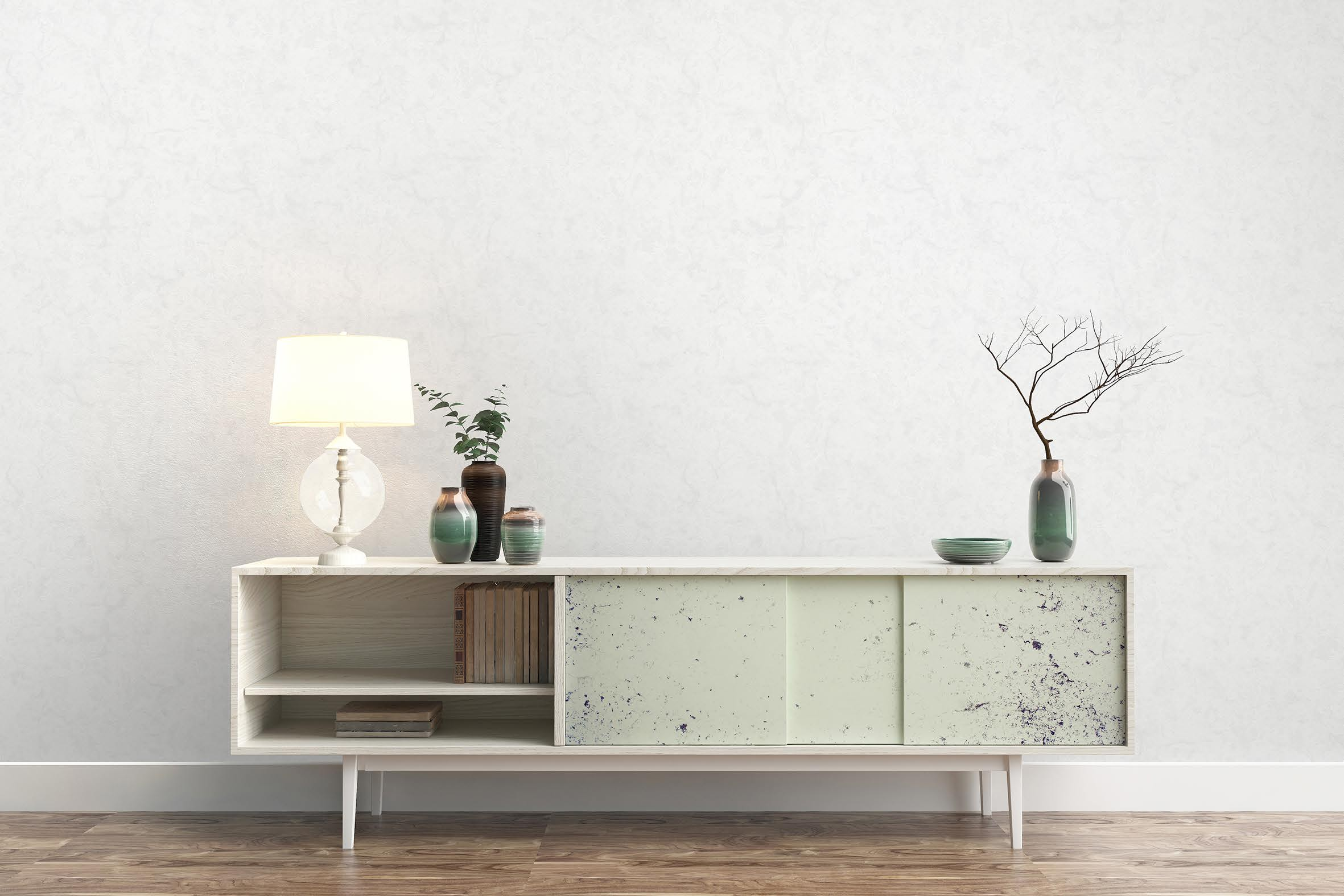
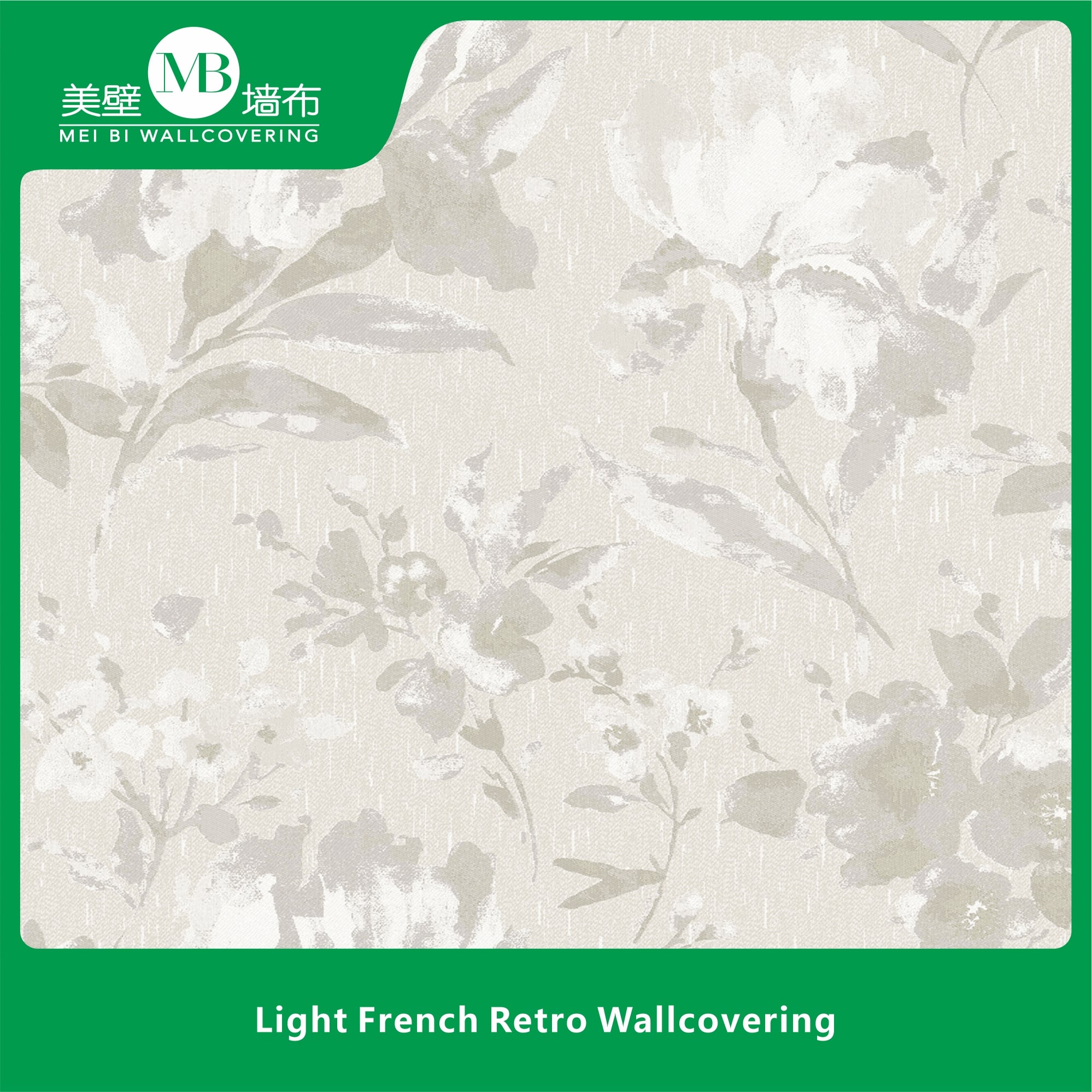
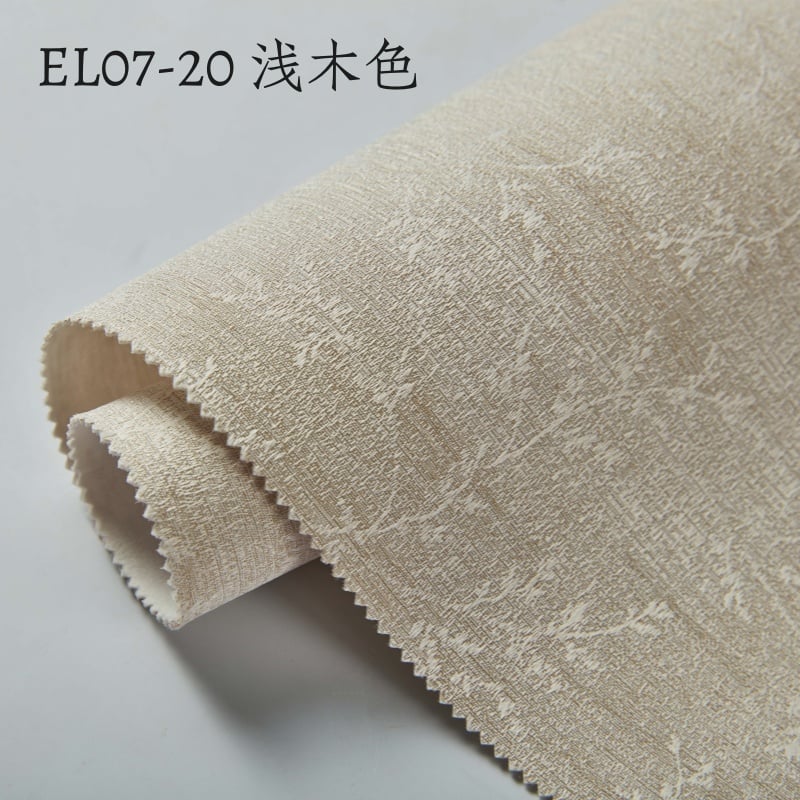
Neutral colors remain the most popular choice for both residential and commercial applications. Beige, gray, taupe, cream, and soft white fabric wall covering products dominate standard collections. These colors create calm, professional environments that complement any furniture or artwork while maintaining visual spaciousness. Decorative wall fabric in neutral tones absorbs light differently than paint, creating subtle depth and texture that enhances architectural features. Many designers prefer these shades because they provide a stable foundation that allows accent furniture and décor to become focal points.
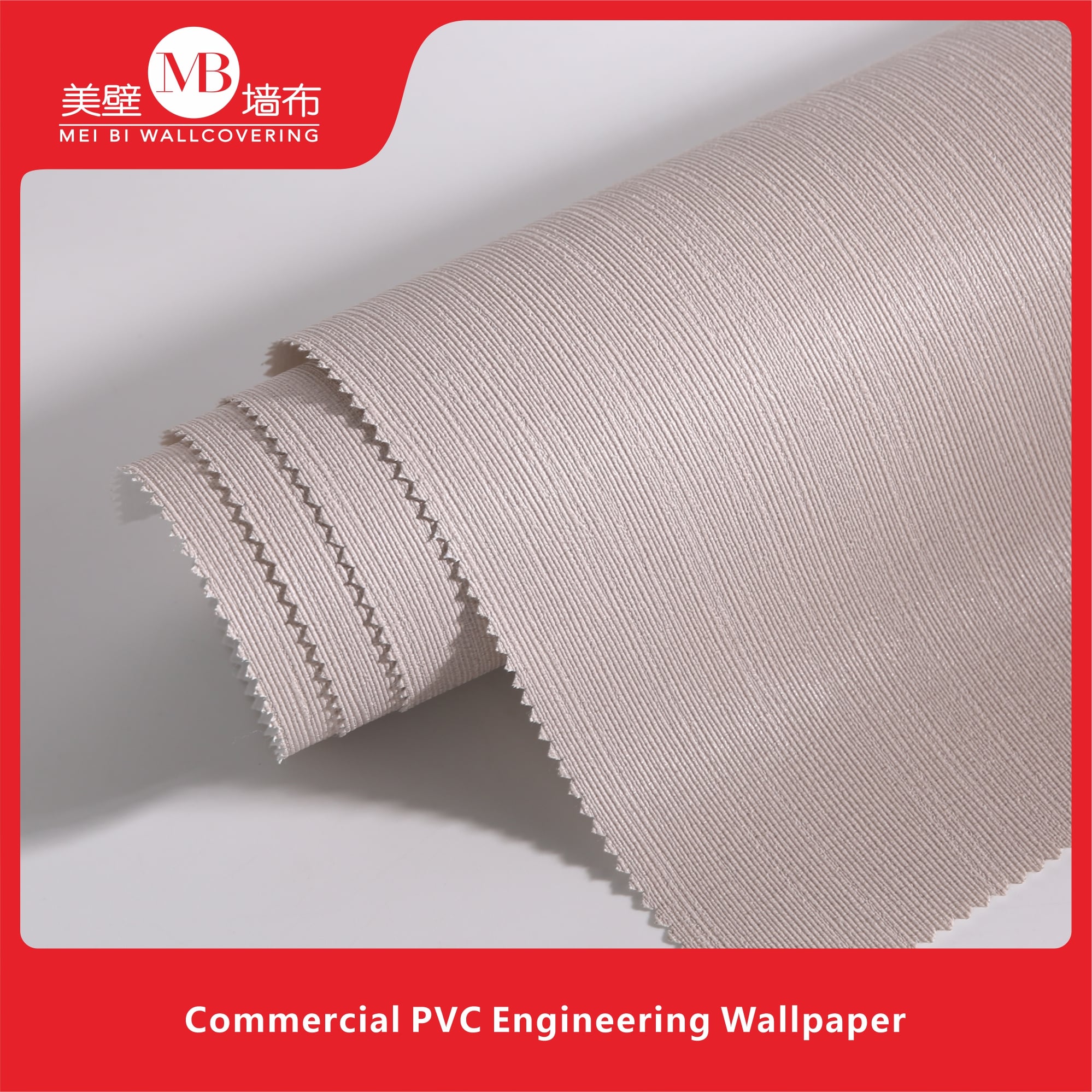
Warm colors including terracotta, rust, ochre, warm brown, and honey tones bring inviting energy to interior spaces. Wall fabric products in these earth-inspired hues work particularly well in hospitality, wellness, and residential settings. Acoustic wall fabric often comes in these warm palettes, combining visual warmth with sound-dampening functionality. The natural appearance of earth-tone fabric wall covering creates psychological comfort and connection to natural materials, making rooms feel more grounded and welcoming to occupants.
Modern wall fabric collections increasingly include jewel tones like emerald, sapphire, amethyst, and deep burgundy. These saturated colors in wall fabric solutions create dramatic impact without overwhelming smaller spaces. Acoustic wall fabric options now extend into this bold range, allowing property managers to achieve design sophistication while maintaining acoustic performance. Decorative wall fabric in jewel tones particularly suits feature walls, boardrooms, creative studios, and hospitality venues seeking distinction and visual interest.
Cool colors including soft blue, sage green, soft gray-blue, and contemporary purple are increasingly available in fabric wall covering products. These colors reflect contemporary design trends while promoting calm and focus in work and living environments. Wall fabric in cool tones photographs exceptionally well, making spaces appear larger and more refined. Acoustic wall fabric manufacturers have expanded significantly in cool color categories, recognizing strong demand from modern office renovations and residential projects seeking contemporary aesthetics.
Different colors in decorative wall fabric exhibit varying practical behaviors. Lighter fabric wall covering colors show dust and staining more readily, requiring more frequent cleaning maintenance. Darker wall fabric options conceal dust and minor marks but can make spaces feel smaller if not balanced with adequate lighting. Medium tones provide optimal practicality for high-traffic commercial environments. Acoustic wall fabric colors should be selected considering both aesthetic goals and realistic maintenance capacity. Premium fabric wall covering products now feature advanced stain resistance and easy-clean properties across all color options, expanding viable choices for challenging environments.
Wall fabric colors respond distinctly to natural and artificial lighting conditions. Warm lighting enhances earth-tone and warm neutral decorative wall fabric, while cool lighting accentuates blue, green, and gray fabric wall covering. Acoustic wall fabric selection should account for the specific light sources present in the space. Testing samples under actual lighting conditions before committing to full installation ensures the selected wall fabric color performs as intended. Color perception changes dramatically between showroom samples and installed applications, making on-site evaluation absolutely essential for successful outcomes.
Most acoustic wall fabric manufacturers offer standard color palettes including neutrals like beige, gray, and white, plus popular earth tones such as taupe and warm brown. Many fabric wall covering suppliers now expand beyond these basics to include soft blues, sage greens, and contemporary grays. Decorative wall fabric custom color capabilities allow clients to specify unique shades for premium projects, though standard palette options typically cover 80 to 90 percent of commercial and residential requirements.
Acoustic wall fabric color selections have minimal direct impact on sound absorption, as acoustic performance depends on fiber density and backing material thickness rather than pigmentation. Decorative wall fabric and acoustic wall fabric deliver equivalent acoustic properties regardless of color choice. Fabric wall covering manufacturers maintain consistent acoustic specifications across their color ranges, allowing designers to prioritize aesthetics without compromising functional performance or sound management goals.
Decorative wall fabric requires precise color matching through documented color codes and batch verification from fabric wall covering suppliers. Request certified color samples and document batch numbers before full installation begins. Acoustic wall fabric specifications should include manufacturer color references and approved substitutions. Wall fabric manufacturers maintain color consistency through controlled production processes, but batch variations can occur over extended timelines or across different production facilities. Requesting material samples with matching batch dates ensures color uniformity across multiple locations and installation phases.

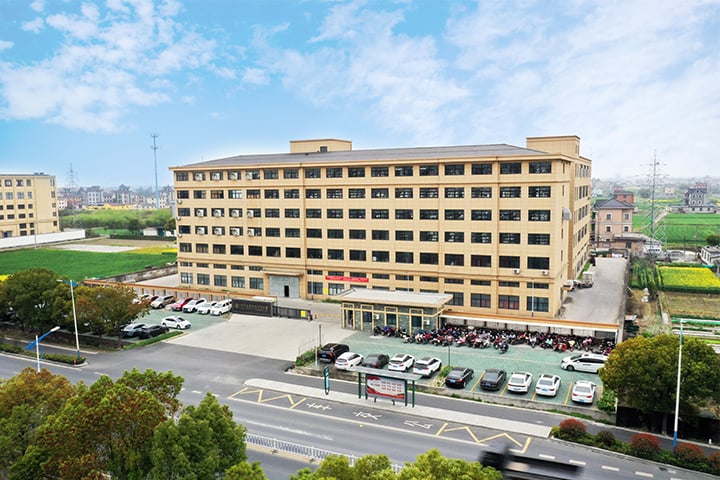
Hangzhou Meibi Decoration Material Co., Ltd. (FULITIR) delivers premium wallcoverings & soft decor solutions for luxury homes and chain hotels, trusted by Lavande, Vienna, Kyriad.
No.2001,Meilin Road,DangWan Town,XiaoShan district, HangZhou city,China
Copyright © 2026 Hangzhou Meibi Decoration Materials Co., Ltd. All rights reserved. Privacy Policy

 EN
EN
 Hot News