
 EN
EN

Sleep quality has become a critical concern for millions of people worldwide, with many struggling to achieve the restorative rest their bodies need. One of the most overlooked factors affecting sleep is light exposure, which can significantly disrupt our natural circadian rhythms. When choosing window treatments for bedrooms, homeowners often debate between blackout curtains and sheer curtains, each offering distinct advantages for different sleep preferences and lifestyle needs.
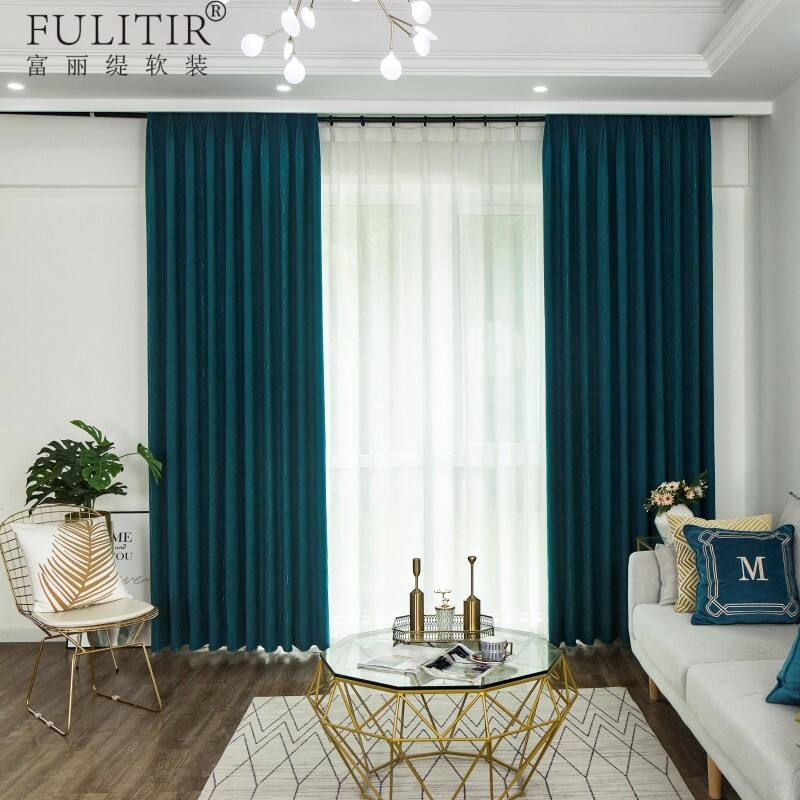
The science behind light and sleep is well-established, with research consistently showing that even small amounts of light can interfere with melatonin production. This hormone regulates our sleep-wake cycle, and its suppression can lead to difficulty falling asleep, frequent nighttime awakenings, and poor overall sleep quality. Understanding how different window treatments affect light infiltration becomes crucial for creating an optimal sleep environment.
Understanding Light Control and Sleep Quality
The Science of Light and Circadian Rhythms
Human bodies operate on a natural 24-hour cycle known as the circadian rhythm, which governs when we feel alert or sleepy. This biological clock is primarily influenced by light exposure, with darkness signaling the brain to produce melatonin. Even minimal light exposure during nighttime hours can disrupt this delicate balance, leading to decreased sleep quality and duration.
Research conducted by sleep specialists has demonstrated that exposure to as little as 8 lux of light during sleep can suppress melatonin production by up to 50%. This finding highlights the importance of creating a completely dark sleeping environment, particularly for individuals who are sensitive to light or work irregular schedules.
Common Light Sources That Disrupt Sleep
Modern bedrooms face numerous light pollution challenges that didn't exist decades ago. Street lights, neon signs, vehicle headlights, and neighboring properties all contribute to unwanted illumination that can penetrate through windows. Additionally, electronic devices within the bedroom, such as alarm clocks, charging stations, and standby lights from electronics, can create ambient light that interferes with sleep.
Urban environments present particularly challenging conditions for achieving darkness, with light pollution levels continuing to increase annually. Suburban and rural areas aren't immune either, as outdoor security lighting and commercial developments expand into previously dark regions. These environmental factors make effective window treatments essential for maintaining healthy sleep patterns.
Blackout Curtains: Complete Light Elimination
Design and Material Construction
Blackout curtains feature specialized construction designed to block virtually all external light from entering a room. These window treatments typically incorporate multiple layers, including a dense weave fabric outer layer, foam or rubber backing, and sometimes additional liner materials. The combination of these elements creates an effective barrier against light penetration while also providing insulation benefits.
Modern blackout curtains often feature advanced materials such as triple-weave fabrics that eliminate light gaps without compromising aesthetic appeal. Premium options include chenille textures that provide both functional light blocking and luxurious appearance, making them suitable for various interior design styles while maintaining their primary purpose of light control.
Sleep Benefits and Health Advantages
The primary advantage of blackout curtains lies in their ability to create a completely dark environment that supports natural melatonin production. This darkness helps regulate body temperature, as cooler temperatures are associated with deeper sleep phases. Studies have shown that people sleeping in completely dark rooms experience longer periods of REM sleep, which is crucial for memory consolidation and cognitive function.
Shift workers and individuals with irregular schedules particularly benefit from blackout curtains, as they can simulate nighttime conditions during daylight hours. This simulation helps maintain consistent sleep patterns regardless of work schedules, reducing the health risks associated with disrupted circadian rhythms, including cardiovascular problems, metabolic disorders, and weakened immune systems.
Sheer Curtains: Gentle Light Filtering
Material Properties and Light Transmission
Sheer curtains consist of lightweight, translucent fabrics that allow natural light to filter through while providing privacy and aesthetic appeal. These materials typically include voile, chiffon, organza, or lightweight linen that creates a soft, diffused lighting effect throughout the room. The level of light transmission varies depending on fabric density and weave patterns.
Unlike blackout curtains, sheers are designed to maintain connection with natural light cycles while reducing harsh glare and direct sunlight. This characteristic makes them suitable for individuals who prefer waking naturally with sunrise or maintaining awareness of outdoor conditions throughout the day.
Advantages for Certain Sleep Preferences
Some individuals find complete darkness unsettling or disorienting, preferring subtle light levels that allow for safe navigation if they need to move around during the night. Sheer curtains provide this gentle illumination while still reducing the intensity of outdoor light sources. This compromise can be particularly beneficial for children who may fear complete darkness or elderly individuals who need to maintain spatial awareness for safety reasons.
Morning light exposure through sheer curtains can help regulate circadian rhythms for people with consistent sleep schedules. Gradual light increase signals the body to reduce melatonin production naturally, potentially making the waking process feel more organic and less jarring than sudden exposure to bright light.
Comparative Analysis: Sleep Quality Impact
Depth and Duration of Sleep
Clinical studies comparing sleep quality under different lighting conditions consistently favor complete darkness for achieving deep, restorative sleep. Participants sleeping with blackout curtains reported falling asleep faster, experiencing fewer nighttime awakenings, and feeling more refreshed upon waking. The absence of light allows the body to maintain consistent melatonin levels throughout the night, supporting all sleep phases.
Sleep tracking data from various studies indicates that rooms with blackout curtains show improved sleep efficiency, with participants spending more time in deep sleep stages and less time in light sleep phases. This improvement translates to better physical recovery, enhanced immune function, and improved cognitive performance during waking hours.
Individual Variation and Personal Preferences
While scientific evidence overwhelmingly supports complete darkness for optimal sleep, individual responses can vary based on personal history, psychological factors, and specific sleep disorders. Some people may have developed adaptation to partial light conditions or associate complete darkness with anxiety or claustrophobia. These psychological factors can sometimes outweigh the physiological benefits of total light elimination.
Age-related factors also influence preferences, as older adults may require subtle lighting for safety when navigating to bathrooms during the night. Additionally, individuals with certain medical conditions or those taking specific medications may have altered light sensitivity that affects their optimal sleep environment requirements.
Practical Considerations Beyond Sleep
Energy Efficiency and Temperature Control
Blackout curtains provide significant insulation benefits beyond light control, helping maintain consistent room temperatures and reducing energy costs. The dense materials and multiple layers create thermal barriers that keep cool air inside during summer months and retain warmth during winter. This temperature regulation contributes to better sleep quality, as the body naturally seeks cooler environments for optimal rest.
Sheer curtains offer minimal insulation properties but can help reduce solar heat gain while maintaining natural light. In moderate climates or well-insulated homes, this light filtering may provide sufficient comfort without the need for complete light blocking. However, the energy efficiency benefits are significantly less than those provided by blackout options.
Maintenance and Durability Factors
Blackout curtains typically require more careful maintenance due to their complex construction and specialized materials. Many cannot be machine washed and may need professional cleaning to maintain their light-blocking properties. However, their durability often justifies the maintenance requirements, with quality blackout curtains lasting many years with proper care.
Sheer curtains generally offer easier maintenance, with most being machine washable and quick to dry. Their lightweight construction makes handling and cleaning simple, though they may need more frequent replacement due to fabric wear and sun damage. The trade-off between convenience and longevity varies depending on specific material choices and usage patterns.
Making the Right Choice for Your Sleep Needs
Assessing Your Current Sleep Quality
Before choosing between blackout curtains and sheers, evaluate your current sleep patterns and identify potential light-related disruptions. Keep a sleep diary noting factors such as time to fall asleep, frequency of nighttime awakenings, morning alertness levels, and any correlation with external light sources. This baseline assessment helps determine whether light control improvements could benefit your sleep quality.
Consider conducting a simple test by temporarily blocking all light sources in your bedroom using existing materials or temporary blackout solutions. Monitor your sleep quality during this trial period to gauge whether complete darkness improves your rest. This practical approach provides personalized data to inform your window treatment decision.
Environmental and Lifestyle Factors
Your living environment significantly influences the effectiveness of different window treatments. Urban locations with high light pollution levels typically benefit more from blackout solutions, while rural areas with minimal external light sources may find sheers adequate. Consider factors such as street lighting, neighboring buildings, seasonal daylight variations, and future development plans that might affect light levels.
Work schedules, family routines, and lifestyle preferences also play crucial roles in determining optimal window treatments. Shift workers, parents with young children, and individuals with sleep disorders often require more comprehensive light control than those with regular schedules and good baseline sleep quality.
FAQ
Do blackout curtains completely eliminate all light from a bedroom
Quality blackout curtains can eliminate 99% or more of external light when properly installed with adequate coverage extending beyond window frames. However, achieving complete darkness may require addressing other light sources such as electronics, door gaps, and ceiling fixtures. Professional installation and proper measurement ensure maximum light blocking effectiveness.
Can sleeping with sheer curtains affect melatonin production
Yes, even filtered light from sheer curtains can suppress melatonin production, though to a lesser degree than direct light exposure. The impact varies depending on the intensity of external light sources and individual sensitivity levels. People living in areas with significant light pollution may experience more melatonin disruption with sheers compared to those in darker environments.
Are there health risks associated with sleeping in complete darkness
Sleeping in complete darkness poses no health risks for most people and actually supports optimal physiological function. Some individuals may initially experience disorientation, but adaptation typically occurs within a few days. People with specific phobias or medical conditions should consult healthcare providers if complete darkness causes significant anxiety or sleep disruption.
How long does it take to notice sleep improvements after installing blackout curtains
Most people notice initial improvements in sleep quality within the first week of using blackout curtains, with more significant benefits becoming apparent after 2-3 weeks of consistent use. The timeline varies based on individual sleep issues, previous light exposure levels, and overall sleep hygiene practices. Combining blackout curtains with other sleep optimization strategies typically accelerates improvement timelines.