The question of whether wall fabric provides thermal insulation benefits requires a nuanced answer rooted in material science and building physics. While wall fabric cannot match the performance of dedicated insulation materials like fiberglass or rigid foam boards, it does offer measurable thermal properties that contribute to overall interior climate management. Understanding these capabilities helps property managers, interior designers, and homeowners make informed decisions about whether fabric wall covering solutions align with their comfort and energy efficiency goals.
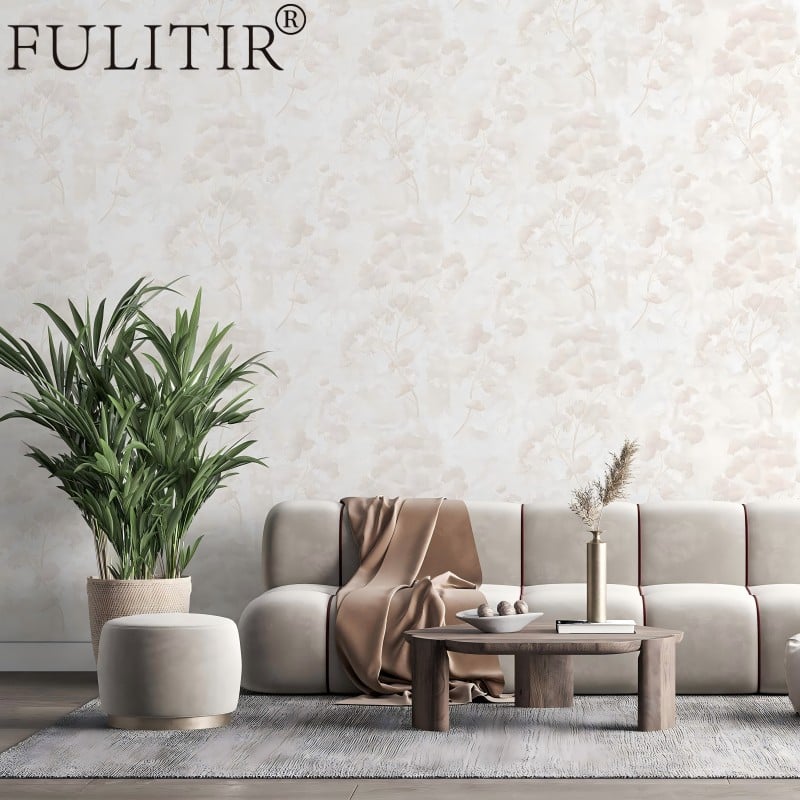
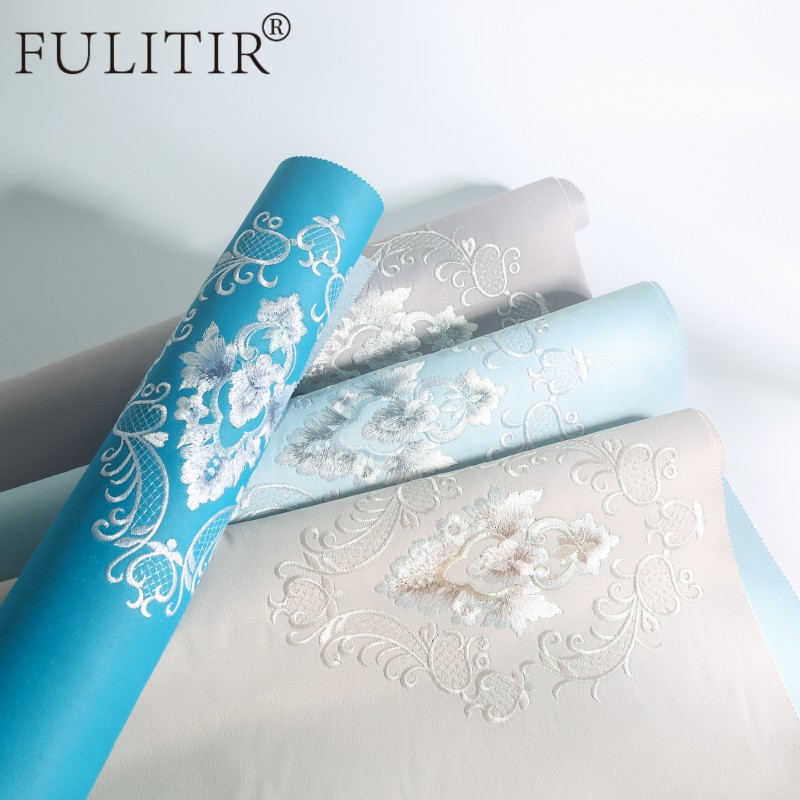
Decorative wall fabric and acoustic wall fabric both function as surface finishes that interact with thermal energy differently than hard walls alone. The insulative value of fabric wall covering depends on fiber composition, weave density, air pockets trapped within the textile structure, and installation method. When applied over existing walls, a quality fabric layer creates an additional thermal barrier that slows heat transfer between interior and exterior surfaces, particularly in environments where temperature stability matters for comfort and operational cost control.
Thermal insulation fundamentally works by trapping air within a material structure, and acoustic wall fabric achieves this through its weave pattern and fiber density. Most high-quality fabric wall covering products contain millions of tiny air pockets woven throughout their construction. These pockets slow molecular motion and heat transfer because air itself is an excellent insulator when static. The R-value contribution varies based on fabric thickness, but typical decorative wall fabric installed at 1/8 inch to 3/8 inch thickness adds roughly 0.5 to 1.5 R-value to a wall assembly, which represents a meaningful but supplementary thermal contribution rather than a primary insulation solution.
Building surfaces like drywall, plaster, and masonry conduct heat readily because they contain minimal air gaps at the material level. When you apply an acoustic wall fabric or decorative wall fabric as a surface layer, you introduce a textile medium that breaks the direct thermal pathway slightly. This reduction in thermal bridging is particularly noticeable on exterior walls where temperature differentials are greatest. In climates with temperature swings, fabric wall covering acts as a secondary thermal moderator, reducing the speed at which exterior cold penetrates inward or interior warmth escapes outward, thereby supporting HVAC system efficiency.
Beyond measurable R-values, fabric wall covering creates subjective thermal comfort improvements that occupants often notice immediately. The surface of hard walls like drywall or concrete radiates ambient temperature noticeably to occupants nearby, a phenomenon called radiant temperature asymmetry. An acoustic wall fabric or decorative wall fabric layer absorbs and diffuses radiant energy more gradually, creating a warmer perceived microclimate in winter and a cooler one in summer without requiring additional heating or cooling output. This perceptual benefit translates into reduced thermostat adjustments and better occupant satisfaction in residential and commercial spaces.
Many fabric wall covering products offer hygroscopic properties, meaning they absorb and release moisture in response to humidity fluctuations. This characteristic creates a naturally stabilizing effect on interior temperature and humidity levels. In spaces prone to condensation or rapid temperature swings, an acoustic wall fabric layer can moderate these extremes by absorbing excess moisture during humid periods and releasing it during dry periods. This buffering capacity reduces the thermal shock that occurs when moisture condenses on cold surfaces, thereby protecting wall integrity while supporting more stable interior conditions where HVAC systems operate more efficiently.
It is essential to recognize that decorative wall fabric and acoustic wall fabric deliver supplementary thermal performance, not primary insulation results. Fiberglass batts, closed-cell spray foam, and mineral wool boards all deliver R-values ranging from 3.5 to 7 per inch of thickness, whereas fabric wall covering typically delivers 0.5 to 1.5 R-value total regardless of installed thickness. However, in retrofit situations where opening walls for traditional insulation is impractical or expensive, a high-quality fabric wall covering provides meaningful incremental improvement at a fraction of the cost and disruption. For new construction or major renovations, fabric wall covering works best as a finishing layer after cavity insulation is installed.
A significant practical advantage of fabric wall covering lies in its installation simplicity and reversibility compared to structural insulation. Traditional insulation requires wall cavity access, moisture barriers, and vapor management planning. Acoustic wall fabric and decorative wall fabric can be applied directly over existing surfaces in hours rather than days, making them ideal for occupied buildings where minimizing disruption matters. The thermal benefit accumulates immediately upon installation, and fabric wall covering typically lasts 10–15 years, providing consistent moderate insulation performance throughout its service life with minimal maintenance compared to specialized insulation materials.
Acoustic wall fabric provides modest energy efficiency gains through its air-trapping structure and surface properties. In isolated spaces or retrofit applications, energy savings typically range from 5–15% compared to bare drywall, which translates to noticeable utility cost reduction in heating-dominated or cooling-dominated climates. For whole-building energy performance, fabric wall covering should be combined with other efficiency measures like insulation, air sealing, and HVAC upgrades rather than relied upon as the sole solution.
No, decorative wall fabric cannot replace structural cavity insulation or rigid foam board systems in new construction or energy-critical applications. However, for retrofit projects, occupied buildings where wall cavity access is impossible, or supplementary applications, fabric wall covering provides meaningful thermal and comfort benefits at lower cost and disruption. Building codes and energy standards typically classify fabric wall covering as a surface finish rather than insulation, so it complements but does not substitute for dedicated insulation layers in code-compliant applications.
Higher-density fabrics with thicker weaves generally deliver superior thermal performance compared to lightweight options. Natural fibers like wool and cotton offer excellent air-trapping properties, while synthetic blends provide durability and stain resistance. Acoustic wall fabric engineered for sound absorption typically incorporates thermal-friendly fiber structures and delivers thermal benefits alongside acoustic function. Consulting product specifications for R-value ratings and air permeability metrics helps identify fabric wall covering options optimized for thermal performance in your specific application.

Hangzhou Meibi Decoration Material Co., Ltd. (FULITIR) delivers premium wallcoverings & soft decor solutions for luxury homes and chain hotels, trusted by Lavande, Vienna, Kyriad.
No.2001,Meilin Road,DangWan Town,XiaoShan district, HangZhou city,China
Copyright © 2026 Hangzhou Meibi Decoration Materials Co., Ltd. All rights reserved. Privacy Policy

 EN
EN

 Hot News