Choosing the right wall fabric is one of the most important decisions when designing or renovating a room. Unlike traditional paint or wallpaper, wall fabric offers texture, warmth, and acoustic benefits that transform spaces into inviting environments. The right fabric wall covering can enhance comfort, improve sound quality, and create a sophisticated atmosphere that reflects your personal style and functional needs.
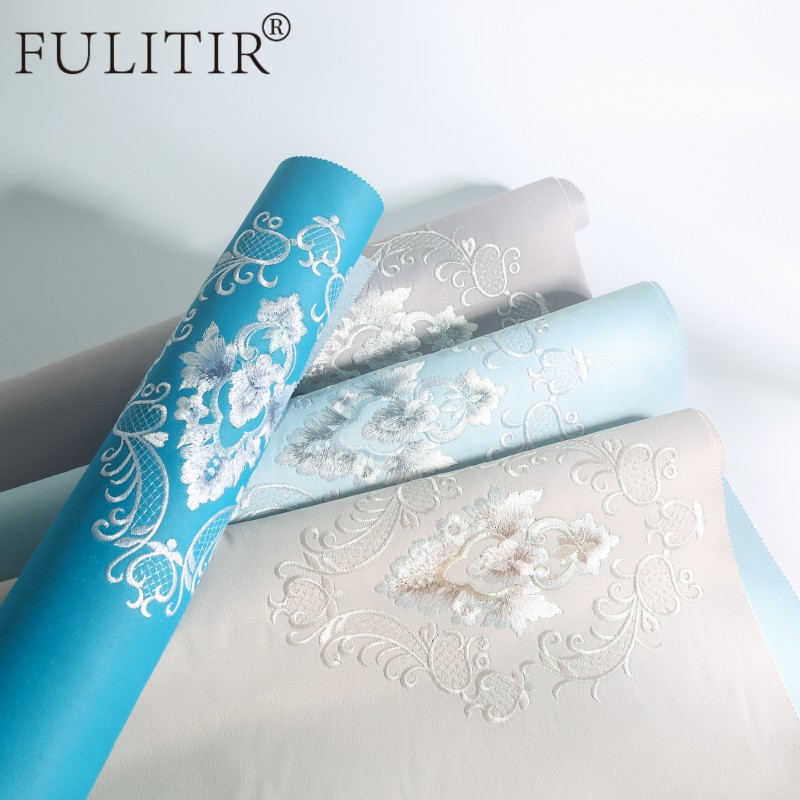
Selecting a decorative wall fabric requires understanding your room's purpose, traffic patterns, lighting conditions, and maintenance expectations. Different rooms demand different solutions because residential bedrooms, high-traffic living areas, and professional offices each present unique challenges and opportunities. This guide walks you through the key considerations that ensure your fabric wall covering choice delivers both beauty and performance for years to come.
The primary function of a room directly influences which wall fabric options will perform best over time. Bedrooms typically experience lower foot traffic and less wear, making them ideal candidates for delicate or luxurious decorative wall fabric finishes. Living rooms and hallways, however, endure frequent contact, dust exposure, and potential spills, requiring more durable and stain-resistant fabric wall covering materials that withstand daily use without showing premature wear or damage.
Commercial spaces like offices and conference rooms benefit tremendously from acoustic wall fabric solutions that reduce noise pollution and create focused working environments. Sound absorption becomes critical in open-plan offices where conversations and equipment noise travel freely. Understanding whether your space is primarily residential, commercial, or hybrid helps narrow down the fabric wall covering selection to options engineered for that specific environment.
Moisture levels vary significantly between room types, making this a crucial selection criterion for any wall fabric choice. Bathrooms and kitchens require fabric wall covering that resists humidity, mildew, and water damage, eliminating many delicate options while favoring treated synthetic or moisture-resistant blends. Basements in humid climates need acoustic wall fabric or specialized solutions designed to breathe while preventing moisture accumulation that causes deterioration and odor.
Natural lighting conditions also impact fabric longevity and appearance. Rooms with abundant sunlight require UV-resistant decorative wall fabric that maintains color vibrancy without fading. North-facing rooms with minimal light can accommodate deeper, richer fabric wall covering colors that might appear overwhelming in brighter spaces, while still providing the texture and tactile warmth that distinguishes fabric from flat painted surfaces.
Wall fabric compositions range from natural fibers like linen and cotton to engineered synthetics and blended options, each offering distinct advantages for different applications. Natural fiber wall fabrics provide breathability and authentic aesthetic appeal but typically require more protective treatments and careful maintenance. Synthetic and blended fabric wall covering materials deliver superior stain resistance, colorfastness, and durability while offering similar visual warmth and texture that traditional painted walls cannot achieve.
Acoustic wall fabric represents a specialized category engineered specifically to absorb sound frequencies while maintaining design appeal. These products combine porous textile construction with backing systems that trap sound waves, making them invaluable in offices, recording studios, and anywhere noise control enhances occupant well-being. The best decorative wall fabric options balance aesthetic objectives with practical performance metrics suited to your room's environmental conditions and usage patterns.
Maintenance requirements differ dramatically between fabric wall covering types, affecting long-term cost and satisfaction. Premium fabric wall covering products designed for hospitality and commercial use typically feature soil-resistant treatments and can be spot-cleaned or vacuumed without damage. Delicate natural fiber options may require professional cleaning or gentle dry brushing, making them better suited to low-traffic, low-risk environments like formal dining rooms or guest bedrooms where they will maintain their appearance with minimal intervention.
Understanding label specifications and manufacturer care recommendations before purchase prevents costly mistakes and disappointment. Many contemporary fabric wall covering options are engineered for modern living, with treatments that repel spills and resist dust accumulation. Acoustic wall fabric used in commercial settings often features cleanable surfaces that maintain hygiene standards while preserving sound absorption properties, making these solutions practical investments for professionals who value both performance and aesthetics.
Master bedrooms and guest rooms offer ideal opportunities to showcase decorative wall fabric because these intimate spaces naturally accommodate softer textures and more delicate finishes. Wall fabric in bedrooms creates cozy, luxurious environments that encourage relaxation and improve sleep quality through visual comfort and soft tactile appeal. Consider layered neutral tones, subtle patterns, or rich jewel tones for wall fabrics that complement bedding and furniture while creating visual depth and sophistication that simple painted walls cannot match.
The reduced foot traffic and controlled environment of bedrooms allows for selection of fabric wall covering options with lighter treatments or more delicate fibers. Your bedroom wall fabric should reflect your personal style preferences because this private space defines personal sanctuary rather than accommodating diverse household tastes. Acoustic properties, while beneficial, become secondary to aesthetic and comfort considerations in bedroom contexts, though sound-dampening fabric wall covering still provides subtle benefits for noise reduction and thermal insulation.
Living rooms, family rooms, and main hallways demand robust fabric wall covering engineered to withstand daily wear, potential spills, pet activity, and frequent dusting or cleaning. Select decorative wall fabric with proven stain resistance, colorfastness, and durability ratings that match the activity level you expect. Commercial-grade fabric wall covering materials, while typically more expensive, deliver superior performance in these high-traffic applications, protecting your investment and maintaining appearance throughout years of family use.
Acoustic wall fabric becomes particularly valuable in open-plan living spaces where echoes from hard surfaces create unpleasant acoustics and make conversations difficult. Installing wall fabric covering in living areas reduces reverberation, controls noise from entertainment systems, and softens the hard-edged feeling of modern open interiors. These practical benefits combine with aesthetic improvements to make wall fabric an intelligent choice for contemporary homes prioritizing both comfort and style in frequently-used spaces.
Professional offices require fabric wall covering that projects competence, maintains hygiene, and supports productive work environments through effective sound management. Acoustic wall fabric serves as the optimal solution for conference rooms, open cubicles, and reception areas where noise control directly impacts worker focus and client impressions. Select neutral, professional decorative wall fabric colors and finishes that complement corporate identity while creating calming, distraction-free visual environments.
Commercial fabric wall covering applications benefit from engineered products tested for durability, fire safety compliance, and ease of maintenance. Many offices install acoustic wall fabric in strategic locations to absorb problematic noise frequencies while leaving other walls with coordinated but simpler finishes. This targeted approach maximizes the acoustic benefits of wall fabric while managing installation costs and maintaining design flexibility for future reconfiguration as business needs evolve and office layouts change over time.
Acoustic wall fabric features specialized porous construction and backing systems designed to absorb sound frequencies, whereas standard decorative wall fabric prioritizes appearance and durability. Acoustic variants typically contain open-weave textiles that allow sound waves to penetrate and dissipate within the material structure, while also providing the aesthetic and tactile benefits of fabric wall covering without the hard-surface reflections of painted walls or plaster.
Most traditional fabric wall covering materials are unsuitable for high-moisture environments like bathrooms and kitchens due to mildew risk and water damage concerns. However, specialized fabric wall covering products designed with moisture-resistant treatments and synthetic fibers can function in these spaces when properly installed with appropriate protective measures. Always verify manufacturer specifications and moisture ratings before installing decorative wall fabric or acoustic wall fabric in humid environments to ensure long-term performance and safety.
Light wall fabric colors expand perceived room size and maximize natural light reflection, making them ideal for smaller or darker spaces, whereas dark decorative wall fabric creates intimate, sophisticated atmospheres in larger rooms with abundant natural light. Consider your room's natural light levels, furniture colors, architectural features, and the emotional atmosphere you want to create. Test fabric wall covering samples in your actual room lighting conditions before making final selections, as color perception changes dramatically depending on light source and time of day.

Hangzhou Meibi Decoration Material Co., Ltd. (FULITIR) delivers premium wallcoverings & soft decor solutions for luxury homes and chain hotels, trusted by Lavande, Vienna, Kyriad.
No.2001,Meilin Road,DangWan Town,XiaoShan district, HangZhou city,China
Copyright © 2026 Hangzhou Meibi Decoration Materials Co., Ltd. All rights reserved. Privacy Policy

 EN
EN
 Hot News