When investing in interior design, one of the most compelling choices homeowners and designers make is installing mural wallpaper. Whether you're transforming a living room, bedroom, or commercial space, understanding how long your mural wallpaper will last is critical to making an informed decision. The lifespan of mural wallpaper depends on several interconnected factors, including material quality, installation method, environmental conditions, and maintenance practices. Most high-quality mural wallpaper can last anywhere from five to fifteen years, with premium options potentially lasting even longer under ideal conditions.
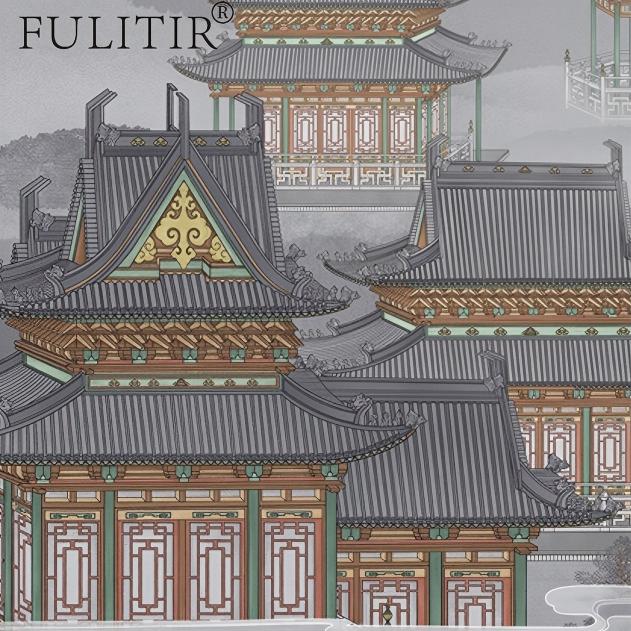
The durability of wall mural designs has improved dramatically in recent years due to advances in printing technology and material science. Modern mural wallpaper is engineered to resist fading, moisture, and wear while maintaining aesthetic appeal. Understanding the factors that influence longevity helps you select the right product for your space and implement proper care strategies to extend its life.
The material composition of mural wallpaper is the primary determinant of its lifespan. Premium custom wall murals are typically printed on durable substrates such as vinyl, canvas, or specialized wallpaper composites designed for longevity. Lower-quality materials may deteriorate faster when exposed to sunlight, humidity, or temperature fluctuations. The ink used in printing also matters significantly; UV-resistant inks and fade-resistant dyes extend the visual lifespan of wall mural designs considerably. Investing in commercially manufactured murals from reputable suppliers ensures you're getting materials tested for durability and fade resistance.
Vinyl-based substrates generally offer superior longevity compared to paper-based alternatives, typically lasting ten to fifteen years with proper care. Canvas and fabric-backed wall mural designs provide excellent aesthetic qualities and can last seven to twelve years depending on environmental factors. Peel and stick murals offer convenience and flexibility but may have slightly shorter lifespans, ranging from five to ten years, as the adhesive can weaken over time. The adhesive technology used in peel and stick murals has improved significantly, with newer formulations maintaining strong bonds for extended periods without damaging underlying surfaces.
Environmental conditions directly influence how long mural wallpaper maintains its integrity and appearance. Bathrooms and kitchens present the harshest conditions due to constant moisture exposure, which can cause adhesive deterioration, mold growth, and ink bleeding. In these high-moisture environments, even quality custom wall murals may last only five to seven years without protective measures. Living rooms, bedrooms, and dry interior spaces extend mural lifespan significantly, allowing products to reach their full potential longevity of ten to fifteen years. Proper ventilation and humidity control dramatically improve the durability of all types of wall mural designs.
Direct sunlight is a primary cause of fading in mural wallpaper, particularly in rooms with extensive window exposure. South-facing and west-facing rooms experience more intense UV radiation, potentially reducing the vibrant appearance of custom wall murals within three to five years. Peel and stick murals and traditional wallpapers respond similarly to sun exposure, though UV-protective coatings can mitigate fading. Installing window treatments like curtains, blinds, or UV-filtering films significantly extends the perceived lifespan of your wall mural designs. Strategic placement away from direct sunlight or in interior hallways and accent walls naturally preserves color intensity for longer periods.
The installation method profoundly affects how long mural wallpaper lasts. Professional installation ensures proper surface preparation, correct adhesive application, and seamless alignment, all contributing to extended durability. Improper installation can create air pockets, wrinkles, and poor adhesion, leading to premature peeling, bubbling, and moisture infiltration. Peel and stick murals offer DIY-friendly installation but require meticulous surface cleaning and careful application to prevent reapplication issues. Whether you choose professional installation or DIY methods for custom wall murals, attention to preparation and technique directly correlates with longevity and performance.
Regular gentle cleaning dramatically extends the lifespan of mural wallpaper. Using soft, dry cloths or slightly damp microfiber cloths removes dust without damaging inks or substrates. Avoid harsh chemicals, abrasive scrubbing, or excessive moisture when cleaning wall mural designs. Many high-quality products feature protective matte or glossy finishes that resist staining and allow for easier maintenance. Applying clear protective coatings or sealers to custom wall murals can add two to five years to their lifespan by providing an additional barrier against fading, moisture, and physical damage. Peel and stick murals benefit from similar protective measures, extending their useful life and maintaining aesthetic appeal.
In residential living spaces with moderate traffic and stable environmental conditions, quality mural wallpaper typically maintains excellent appearance for eight to twelve years. Commercial installations often experience shorter lifespans due to higher traffic, more frequent cleaning, and varied environmental controls, typically lasting five to eight years. Accent walls and feature spaces used less frequently may retain their appearance longer than main living areas subjected to daily exposure. Custom wall murals in temperature-controlled, low-moisture environments consistently outperform installations in challenging conditions by several years. Understanding your specific space characteristics helps set realistic expectations for how long your wall mural designs will maintain their intended aesthetic impact.
Even well-maintained mural wallpaper eventually requires replacement due to fading, wear, or design preference changes. Rather than viewing this as failure, many designers and homeowners embrace periodic refreshes as opportunities to update interior aesthetics. Peel and stick murals offer particular advantages for those who prefer flexibility, allowing easier removal and replacement without extensive wall damage. Planning for replacement cycles of seven to ten years for high-traffic areas or five to seven years for high-moisture environments ensures your spaces remain visually appealing. Quality custom wall murals represent excellent long-term investments when approached with realistic expectations and proper maintenance strategies.
While some premium mural wallpaper may theoretically last twenty years under perfect conditions—minimal sunlight, stable humidity, no physical contact—this is rarely achieved in typical residential or commercial settings. Most high-quality wall mural designs maintain excellent appearance for twelve to fifteen years, with visual degradation becoming noticeable beyond that timeframe. Achieving extended longevity requires exceptional environmental control, professional installation, and consistent protective maintenance practices.
Peel and stick murals and traditional mural wallpaper experience similar fading rates when exposed to identical environmental conditions. The difference in lifespan typically relates to adhesive durability rather than fade resistance. Modern peel and stick murals use advanced adhesive technology that can maintain effectiveness for five to ten years or longer, making them competitive with traditional installation methods for many applications.
Maximize mural wallpaper longevity by controlling humidity levels, minimizing direct sunlight exposure through window treatments, maintaining stable room temperatures, and performing gentle regular cleaning. Apply protective clear coatings, ensure professional installation or careful DIY application, and address any peeling or damage promptly to prevent moisture infiltration. Installing wall mural designs in appropriate spaces and following manufacturer care guidelines significantly extends their functional and aesthetic lifespan.

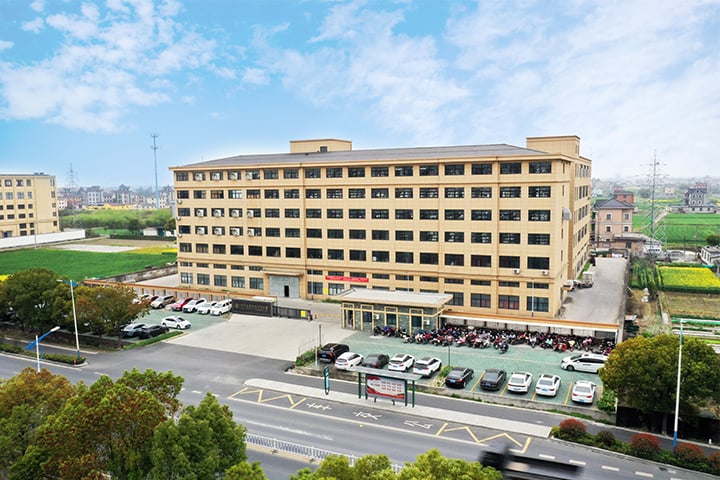
Hangzhou Meibi Decoration Material Co., Ltd. (FULITIR) delivers premium wallcoverings & soft decor solutions for luxury homes and chain hotels, trusted by Lavande, Vienna, Kyriad.
No.2001,Meilin Road,DangWan Town,XiaoShan district, HangZhou city,China
Copyright © 2026 Hangzhou Meibi Decoration Materials Co., Ltd. All rights reserved. Privacy Policy

 EN
EN

 Hot News