Moisture resistance is a critical consideration when selecting mural wallpaper for high-humidity environments like bathrooms, kitchens, or laundry rooms. Unlike standard wallpaper, modern mural wallpaper options vary significantly in their ability to withstand moisture, humidity, and temperature fluctuations. Understanding which types of mural wallpaper provide superior moisture protection can help you make an informed decision and avoid costly installation failures or aesthetic degradation.
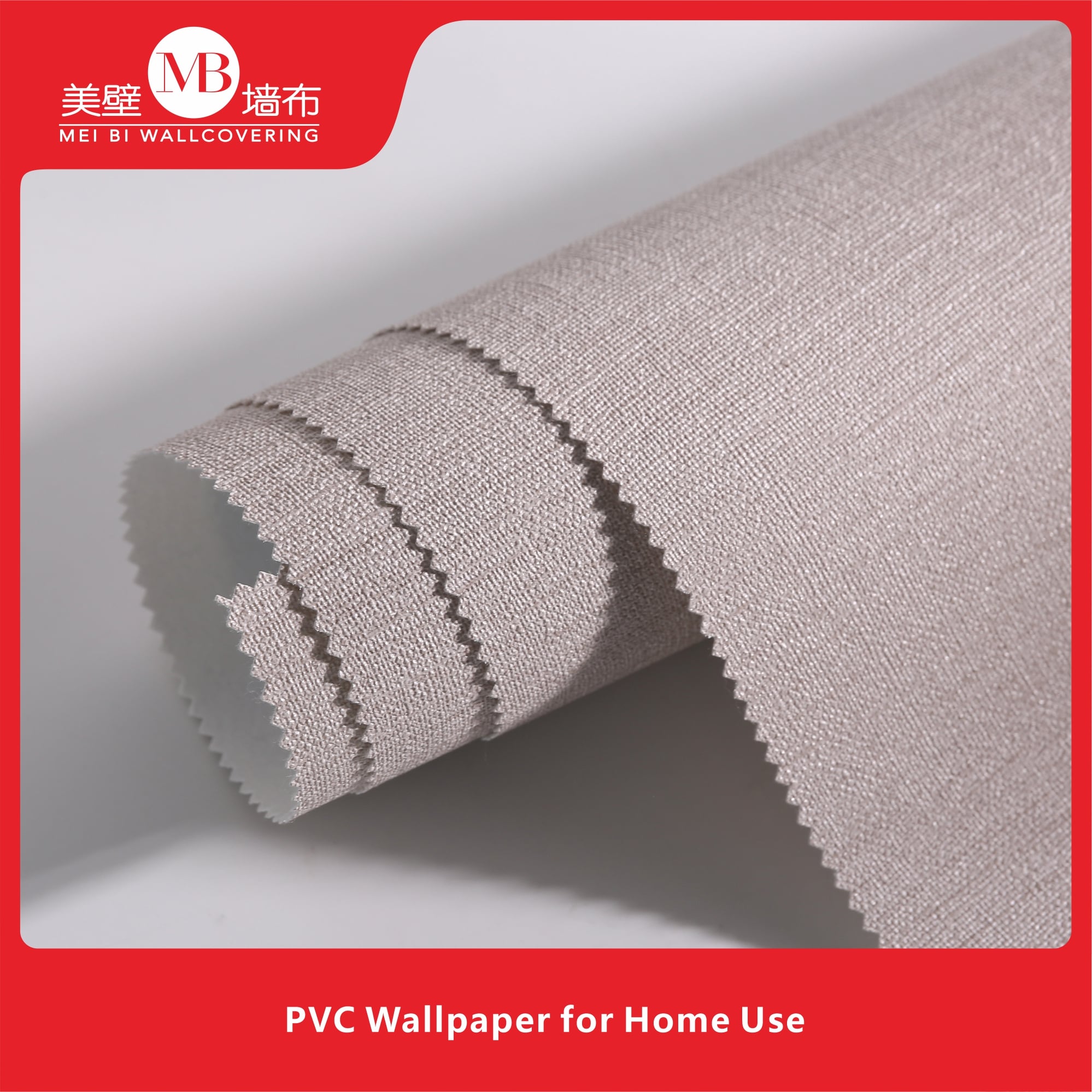
The moisture resistance of custom wall murals depends primarily on the material composition, adhesive formulation, and finish quality. Vinyl-based wall mural designs, particularly those with PVC substrates and polyurethane coatings, demonstrate excellent moisture barriers and are specifically engineered for wet environments. Peel and stick murals have also evolved significantly, with premium versions offering moisture-resistant properties that rival traditional wallpaper installation methods. Knowing the differences between standard and moisture-resistant options ensures you select the right solution for your specific space.
Vinyl and PVC materials form the backbone of moisture-resistant mural wallpaper products. These synthetic substrates naturally repel water and prevent moisture from penetrating to the wall surface behind. When manufacturers reinforce these materials with a protective top coat, typically polyurethane or acrylic-based sealers, the moisture resistance increases dramatically. Wall mural designs constructed from vinyl can handle humidity levels of 70 percent or higher without warping, peeling, or developing mold growth.
The thickness of the vinyl layer also matters significantly. Premium peel and stick murals often feature thicker vinyl substrates, typically ranging from 0.3 to 0.5 millimeters, compared to budget alternatives at 0.1 to 0.2 millimeters. Thicker materials provide superior dimensional stability in fluctuating moisture conditions and resist damage from temperature swings. Custom wall murals made from high-grade vinyl can tolerate direct splashing and condensation without deteriorating, making them ideal for shower enclosures or sink backsplashes.
Standard paper-based mural wallpaper offers minimal moisture protection and should be avoided in wet environments. Paper absorbs water readily, leading to swelling, adhesive failure, and mold colonization. Non-woven fabrics and cellulose composites fall into a middle category. While they resist moisture better than pure paper, they still cannot match the performance of vinyl or PVC-based wall mural designs. If aesthetic preferences favor natural materials, consider hybrid options that combine a thin paper face layer with a vinyl or acrylic moisture barrier underneath. These peel and stick murals balance visual appeal with functional durability in moderately humid spaces.
The adhesive used during mural wallpaper installation significantly influences long-term moisture resistance. Standard starch-based or rubber-cement adhesives fail rapidly in humid environments, allowing moisture to seep behind the wallpaper and degrade both the adhesive bond and the wall surface. Moisture-resistant formulations typically employ acrylic-polyurethane blends or synthetic rubber compounds that maintain adhesion despite temperature and humidity fluctuations. Premium custom wall murals often come pre-glued with these advanced adhesives, eliminating installation errors that compromise moisture performance.
Peel and stick murals represent an advancement in adhesive technology. Their pressure-sensitive adhesives are inherently more resistant to moisture than wet-applied glues because they create a continuous bond across the entire surface, leaving no gaps for water infiltration. When applied correctly to properly prepared walls, peel and stick murals maintain their bond in bathrooms and kitchens for many years. However, proper surface preparation—cleaning, drying, and priming with moisture-blocking primers—remains essential for achieving maximum adhesive performance and moisture protection.
The edges and seams of wall mural designs are particularly vulnerable to moisture intrusion. High-quality installations apply edge sealants or caulks rated for moisture exposure along the perimeter and seams of the mural wallpaper. Silicone caulks with anti-mold additives prevent water from migrating behind the edges and compromising adhesion. Custom wall murals in bathrooms should always include sealed edges, especially around the shower area or sink backsplash. Many premium peel and stick murals come with manufacturer-recommended sealant kits specifically formulated to work with the wallpaper material and adhesive system.
Bathrooms and kitchens present distinct moisture challenges that require careful material selection. In bathrooms, mural wallpaper faces constant humidity from showers, baths, and ventilation shortfalls. Moisture-resistant options using vinyl or PVC substrates with waterproof top coats excel in these environments, provided they are installed 12 to 18 inches away from direct water spray. Custom wall murals positioned on bathroom accent walls—rather than above tubs or adjacent to shower doors—maintain performance over extended periods while maintaining visual impact. Kitchens present splashing risks from cooking, dishwashing, and sink use, making peel and stick murals with sealed edges particularly suitable for backsplash or accent wall applications.
Ventilation significantly affects the long-term moisture resistance of wall mural designs. Even moisture-resistant products deteriorate faster in poorly ventilated spaces where humidity accumulates and drying cycles slow. Installing exhaust fans that run during and after showers or cooking, combined with passive ventilation through windows, extends the service life of all mural wallpaper types. The combination of moisture-resistant materials and proper environmental management ensures custom wall murals remain attractive and functional for 10 to 15 years or longer.
Regular maintenance amplifies the moisture resistance of peel and stick murals and other wallpaper systems. Wiping down the surface with a soft, slightly damp cloth during humid seasons removes accumulated moisture and prevents prolonged saturation at the surface. For wall mural designs in kitchens, gentle cleaning after splashing incidents prevents moisture from penetrating microscopic gaps. Allowing the wall to dry completely after cleaning prevents mold growth in the adhesive layer. Over time, this preventive approach maintains the integrity of the mural wallpaper and extends its useful lifespan significantly beyond installations that ignore moisture management.
Vinyl or PVC-based wall mural designs with polyurethane top coatings offer the best moisture resistance for bathrooms. Peel and stick murals made from premium vinyl substrates are particularly effective because their pressure-sensitive adhesives resist moisture better than wet-applied glues. Place the mural wallpaper on accent walls away from direct water spray, and seal all edges with silicone caulk for maximum protection and durability.
High-quality peel and stick murals designed with moisture-resistant adhesives and vinyl substrates can withstand typical kitchen splashing when properly installed. Custom wall murals work best on backsplash walls positioned slightly away from the sink or stove. Wipe the surface regularly with a damp cloth, dry it promptly, and maintain good ventilation to prevent moisture accumulation. Budget alternatives may fail faster, so invest in premium products if kitchen application is your priority.
High-quality mural wallpaper made from vinyl with proper sealing and maintenance can last 10 to 15 years in humid environments. Longevity depends on humidity levels, temperature stability, ventilation quality, and regular cleaning practices. Peel and stick murals and custom wall murals installed with sealed edges and maintained according to manufacturer guidelines typically exceed 10 years of service life. Poor ventilation or neglected maintenance reduces the lifespan to five to seven years even with moisture-resistant products.

Hangzhou Meibi Decoration Material Co., Ltd. (FULITIR) delivers premium wallcoverings & soft decor solutions for luxury homes and chain hotels, trusted by Lavande, Vienna, Kyriad.
No.2001,Meilin Road,DangWan Town,XiaoShan district, HangZhou city,China
Copyright © 2026 Hangzhou Meibi Decoration Materials Co., Ltd. All rights reserved. Privacy Policy

 EN
EN
 Hot News