
 EN
EN
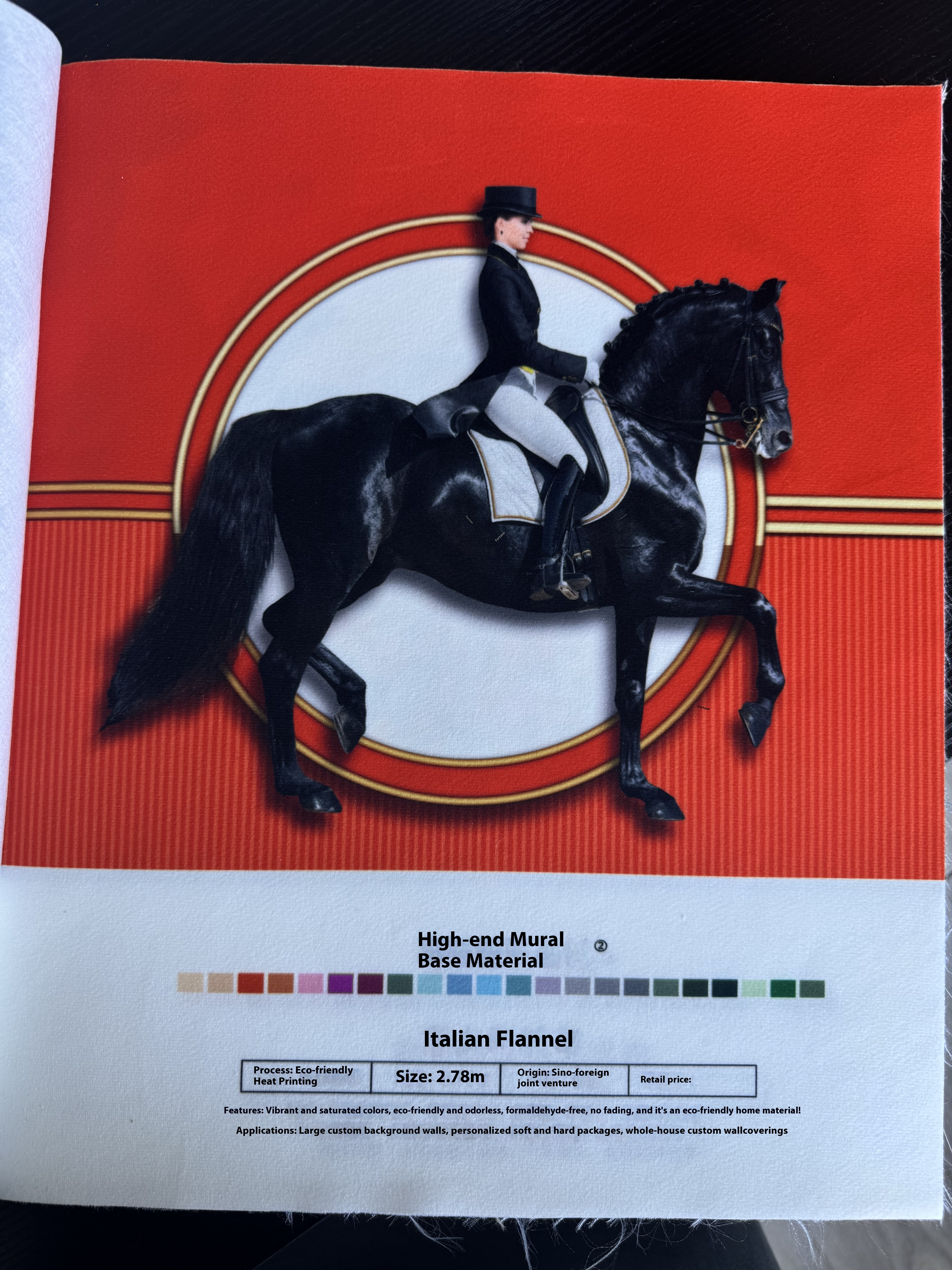
Selecting the right adhesive for seamless wall cloth installation determines both the visual outcome and long-term durability of your wall covering project. Unlike traditional wallpaper that relies on overlapping seams, seamless wall cloth requires specialized bonding agents that can accommodate the unique characteristics of continuous textile surfaces while maintaining flexibility and preventing edge lifting or bubbling issues.
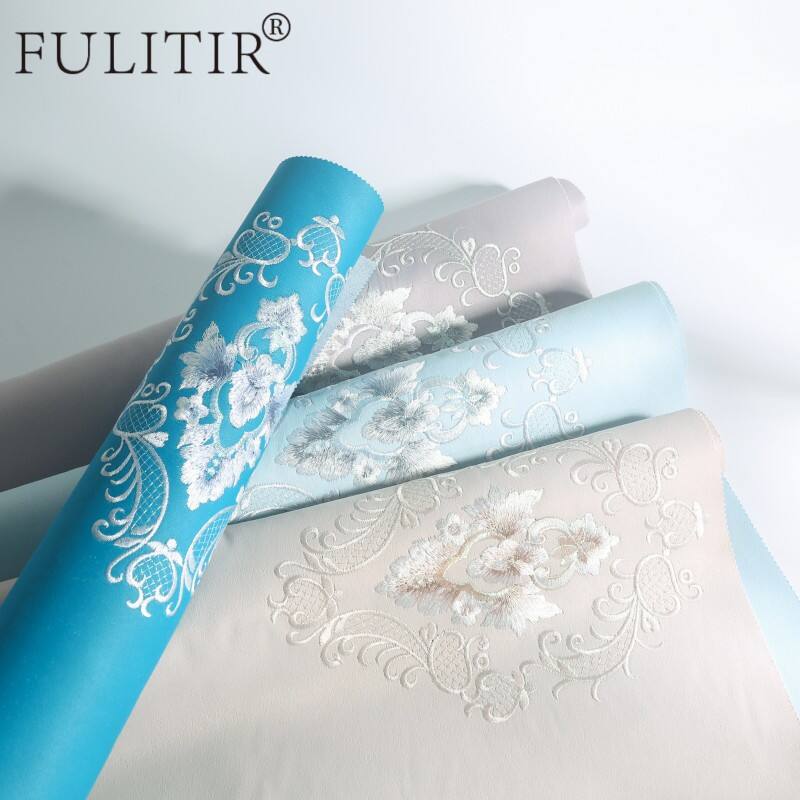
The choice of adhesive directly impacts the performance characteristics of seamless wall cloth applications, affecting everything from installation ease to maintenance requirements. Professional installers and interior designers must consider substrate compatibility, environmental conditions, and the specific fiber composition of the wall cloth when making adhesive selections that ensure optimal bonding without compromising the aesthetic qualities that make seamless installations so appealing.
Understanding Adhesive Requirements for Seamless Wall Cloth
Substrate Compatibility Considerations
The foundation surface plays a crucial role in adhesive selection for seamless wall cloth projects. Drywall substrates require different bonding approaches compared to plaster, concrete, or previously painted surfaces. Modern seamless wall cloth installations often involve primed drywall surfaces that provide optimal porosity for adhesive penetration while preventing over-absorption that could compromise bond strength.
Moisture content in the substrate significantly affects adhesive performance with seamless wall cloth applications. Surfaces with elevated moisture levels can cause adhesive failure, leading to edge lifting or complete delamination. Professional installers typically use moisture meters to verify substrate conditions before proceeding with seamless wall cloth installation, ensuring adhesive selection matches environmental parameters.
Surface preparation requirements vary based on the chosen adhesive system for seamless wall cloth. Some adhesives require completely smooth surfaces, while others can accommodate minor imperfections. The seamless nature of wall cloth installations means that any substrate irregularities become more visible, making proper surface preparation essential for achieving the desired aesthetic outcome.
Environmental Factors Affecting Adhesive Performance
Temperature fluctuations during and after installation impact adhesive curing and long-term performance with seamless wall cloth. High-performance adhesives maintain flexibility across temperature ranges, preventing cracking or debonding when buildings experience seasonal temperature variations. This flexibility becomes particularly important in climate-controlled environments where temperature consistency supports optimal adhesive performance.
Humidity levels during installation and throughout the service life affect adhesive behavior with seamless wall cloth applications. Excessive humidity can slow adhesive curing times, while low humidity conditions may cause rapid moisture loss, leading to inadequate bonding. Professional installations often include environmental monitoring to ensure optimal conditions for seamless wall cloth adhesive application.
Air circulation patterns in the installation space influence adhesive drying characteristics and overall bond development with seamless wall cloth. Proper ventilation supports controlled drying rates that allow adhesives to achieve maximum bond strength without causing premature surface skinning or uneven curing patterns that could affect the final appearance.
Adhesive Types and Performance Characteristics
Water-Based Adhesive Systems
Water-based adhesives offer environmental advantages and ease of cleanup for seamless wall cloth installations. These formulations provide excellent initial tack properties that facilitate positioning during installation while maintaining sufficient open time for adjustments. The water-based chemistry reduces volatile organic compound emissions, making them suitable for occupied spaces and environmentally sensitive projects.
Modern water-based adhesives designed for seamless wall cloth applications incorporate advanced polymer technologies that enhance wet strength and dimensional stability. These improvements address traditional concerns about water-based systems, providing performance levels that rival solvent-based alternatives while maintaining the environmental and health benefits that make them increasingly popular in commercial and residential applications.
Drying characteristics of water-based adhesives require careful consideration in seamless wall cloth installations. The moisture content must evaporate through the wall cloth or around edges, which can extend installation timelines compared to other adhesive types. However, the extended working time often benefits installers by allowing precise positioning of large seamless wall cloth panels.
Solvent-Based Adhesive Options
Solvent-based adhesives provide rapid bond development and superior initial grab strength for seamless wall cloth applications. These characteristics prove particularly valuable when installing heavy or textured wall cloth materials that require immediate adhesion to prevent sagging or shifting during the curing process. The fast-setting nature of solvent-based systems can reduce overall installation time for large seamless wall cloth projects.
Chemical resistance properties of solvent-based adhesives make them suitable for seamless wall cloth installations in environments where cleaning chemicals or other substances might contact the wall surface. The crosslinked polymer structure that develops during curing provides excellent resistance to moisture, oils, and various cleaning agents commonly used in commercial and institutional settings.
Vapor transmission rates through solvent-based adhesives can affect moisture management in seamless wall cloth installations. These adhesives typically form barrier layers that limit moisture movement through the wall assembly, which may be beneficial in some applications but could cause problems in others where vapor permeability is required for building envelope performance.
Application Techniques and Installation Considerations
Surface Preparation Methods
Proper surface preparation establishes the foundation for successful adhesive bonding with seamless wall cloth. The preparation process begins with thorough cleaning to remove dust, oils, and other contaminants that could interfere with adhesive performance. Professional installers often use tack cloths or specialized cleaning solutions to ensure optimal surface conditions before adhesive application.
Priming requirements depend on both the substrate type and selected adhesive system for seamless wall cloth installations. Some adhesives require specific primers to achieve optimal bond strength, while others perform adequately on properly prepared bare substrates. The primer selection must be compatible with both the substrate and the chosen adhesive to prevent delamination issues.
Surface texture considerations become critical when installing seamless wall cloth because any imperfections may telegraph through the finished installation. Filling compounds and sanding operations must be completed before adhesive application, with particular attention paid to achieving consistent surface texture across the entire installation area.
Adhesive Application Patterns
Even adhesive distribution ensures consistent bonding across the entire seamless wall cloth installation. Professional installers use calibrated application tools such as notched spreaders or spray equipment to achieve uniform adhesive thickness. The application pattern must account for the working time of the selected adhesive and the size of wall cloth panels being installed.
Edge treatment techniques prevent edge lifting and ensure seamless appearance in wall cloth installations. Some adhesives require additional edge sealing compounds or techniques to achieve optimal performance at panel edges and corners. The seamless installation concept demands particular attention to these details to maintain the continuous appearance that defines this installation method.
Working time management becomes crucial when applying adhesive for large seamless wall cloth installations. Installers must coordinate adhesive application with wall cloth positioning to ensure optimal bonding conditions throughout the process. This coordination often requires multiple team members and careful timing to achieve professional results.
Performance Optimization and Troubleshooting
Bond Strength Development
Initial bond development varies significantly among different adhesive types used with seamless wall cloth. Some adhesives provide immediate grab strength that prevents panel movement during installation, while others require pressure and time to develop full bond strength. Understanding these characteristics helps installers plan their workflow and achieve consistent results across the entire project.
Long-term bond stability requires adhesives that maintain flexibility and adhesion strength throughout the service life of seamless wall cloth installations. Environmental stresses such as temperature cycling, humidity variations, and building movement can challenge adhesive performance over time. High-quality adhesives incorporate plasticizers and stabilizers that maintain performance under these conditions.
Testing methods for bond strength verification help ensure quality control in seamless wall cloth installations. Pull tests and other evaluation techniques can identify potential adhesive problems before they become visible performance issues. Professional installers often perform spot checks during installation to verify that adhesive performance meets expectations.
Common Installation Challenges
Edge lifting represents one of the most common problems in seamless wall cloth installations, often resulting from inadequate adhesive selection or application techniques. This issue typically occurs when the adhesive lacks sufficient flexibility or when environmental conditions cause differential movement between the wall cloth and substrate. Proper adhesive selection and application techniques can prevent most edge lifting problems.
Bubbling or blistering in seamless wall cloth installations usually indicates trapped air or moisture during the adhesive application process. These defects compromise both appearance and long-term performance, often requiring repair or replacement of affected areas. Prevention strategies include proper surface preparation, appropriate adhesive selection, and careful installation techniques that minimize air entrapment.
Color bleeding or staining through seamless wall cloth can occur when adhesives contain solvents or other components that affect textile fibers or dyes. This problem emphasizes the importance of compatibility testing between specific adhesive and wall cloth combinations before proceeding with full installation. Professional installers typically conduct small-scale tests to verify compatibility and prevent costly installation problems.
FAQ
What type of adhesive provides the strongest bond for seamless wall cloth?
Solvent-based adhesives typically provide the strongest immediate bond for seamless wall cloth installations, offering superior grab strength and resistance to environmental factors. However, modern water-based adhesives with advanced polymer chemistry can achieve comparable long-term bond strength while offering environmental and health advantages. The optimal choice depends on specific project requirements, environmental conditions, and substrate characteristics.
How long should I wait before exposing seamless wall cloth to normal use after installation?
Most adhesives used with seamless wall cloth require 24 to 48 hours to develop sufficient bond strength for normal use, though initial handling strength may develop within 2 to 4 hours. Environmental conditions such as temperature and humidity significantly affect curing times. Professional installations often include protection measures during the initial curing period to prevent damage to the developing bond.
Can I use the same adhesive for different types of seamless wall cloth materials?
Adhesive compatibility varies significantly among different seamless wall cloth materials, including natural fibers, synthetic textiles, and composite constructions. Each material type has specific requirements for adhesive chemistry, application techniques, and environmental conditions. Professional installers typically test adhesive compatibility with specific wall cloth materials before proceeding with full installation to ensure optimal performance and prevent compatibility issues.
What should I do if the adhesive fails to bond properly with my seamless wall cloth?
Adhesive bonding failures in seamless wall cloth installations require immediate attention to prevent further damage and ensure successful repair. The first step involves identifying the cause of the failure, which may include substrate contamination, environmental conditions, adhesive selection, or application technique issues. Successful repairs typically require removing the affected wall cloth, addressing the underlying cause, and reinstalling with appropriate corrections to prevent recurring problems.
Table of Contents
- Understanding Adhesive Requirements for Seamless Wall Cloth
- Adhesive Types and Performance Characteristics
- Application Techniques and Installation Considerations
- Performance Optimization and Troubleshooting
-
FAQ
- What type of adhesive provides the strongest bond for seamless wall cloth?
- How long should I wait before exposing seamless wall cloth to normal use after installation?
- Can I use the same adhesive for different types of seamless wall cloth materials?
- What should I do if the adhesive fails to bond properly with my seamless wall cloth?