
 EN
EN
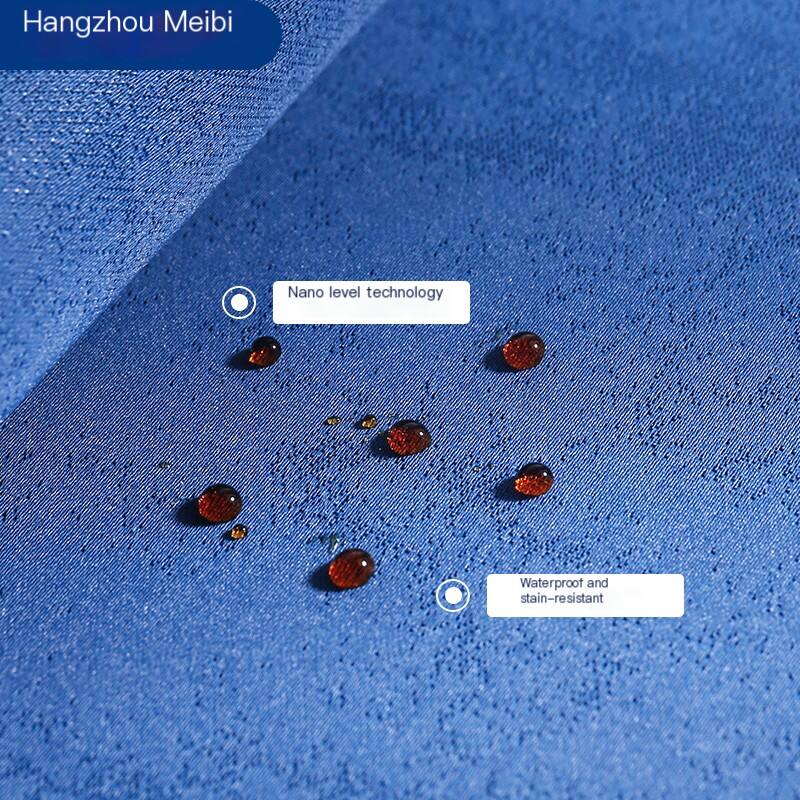
Seamless wall cloth represents a revolutionary approach to wall coverings that effectively conceals surface irregularities through its continuous installation method and specialized material properties. Unlike traditional wallpaper that relies on seams and joints, seamless wall cloth creates an uninterrupted fabric surface that masks minor cracks, dents, bumps, and texture variations commonly found on interior walls. This innovative covering solution works by distributing visual attention across a uniform surface while providing physical coverage that smooths out underlying imperfections.
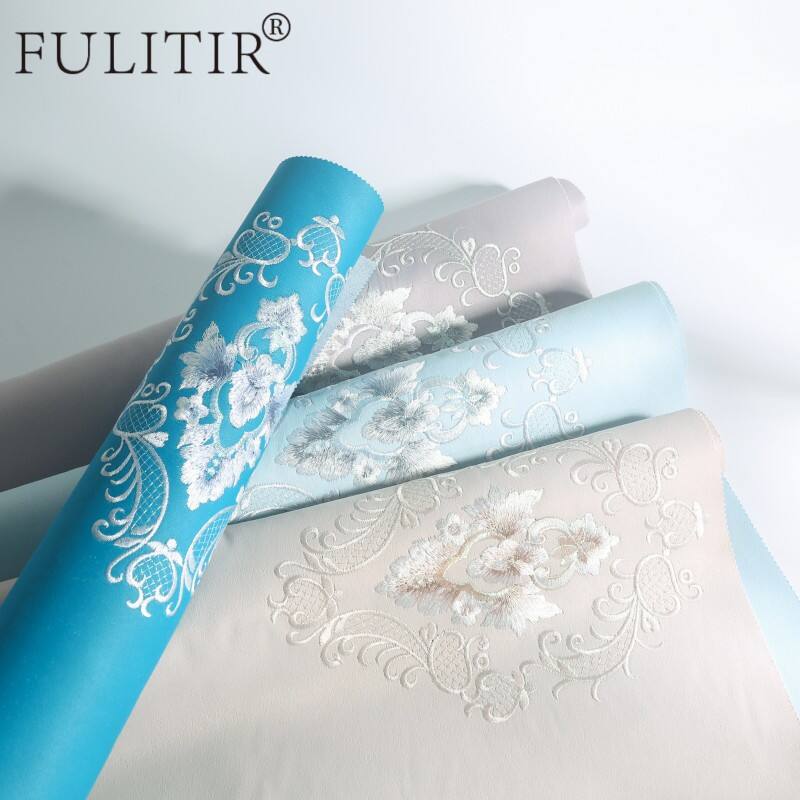
The mechanism behind how seamless wall cloth conceals wall imperfections involves both optical illusion principles and physical coverage characteristics. The continuous fabric installation eliminates pattern breaks that would otherwise draw attention to uneven surfaces, while the textile's inherent flexibility allows it to conform to slight surface variations. Modern seamless wall cloth incorporates advanced fiber technology and specialized backing materials that enhance its ability to bridge minor gaps and create a smooth visual appearance even over challenging wall conditions.
Physical Coverage Mechanisms of Seamless Wall Cloth
Textile Flexibility and Surface Conformity
Seamless wall cloth achieves imperfection concealment through its inherent textile flexibility that allows the material to conform to minor surface irregularities. The woven or non-woven fabric construction provides enough elasticity to stretch slightly over small bumps while maintaining tension that prevents sagging in depressed areas. This conformity mechanism works particularly well for hairline cracks, nail holes, and minor drywall imperfections that would be visible under paint or rigid coverings.
The fabric's ability to bridge small gaps stems from its fiber structure, which creates micro-tensions across the surface that distribute stress evenly. When seamless wall cloth encounters a minor indentation or raised area, the surrounding fabric compensates by adjusting its position slightly, effectively averaging out the surface variation. This physical adaptation occurs naturally during installation and maintains its effectiveness over time due to the material's dimensional stability.
Additionally, the thickness of seamless wall cloth provides a cushioning effect that further reduces the visibility of underlying surface irregularities. Unlike thin wallpaper that can telegraph every wall defect, the substantial body of seamless wall cloth creates a new surface plane that masks minor variations while maintaining a smooth appearance. This thickness advantage becomes particularly valuable in older buildings where wall surfaces may have accumulated multiple layers of previous treatments or repairs.
Continuous Installation Advantages
The seamless installation process eliminates joints and seams that would otherwise create visual reference points for detecting surface irregularities. Traditional wallcoverings with visible seams can actually highlight wall imperfections by creating contrast lines that draw attention to uneven surfaces. Seamless wall cloth removes these reference points, allowing minor surface variations to blend into the overall texture and pattern of the fabric.
During installation, seamless wall cloth is applied in large continuous sections that span entire walls or rooms without breaks. This continuous coverage prevents the eye from establishing geometric reference points that would make surface irregularities more apparent. The absence of seam lines means there are no straight edges against which viewers can judge whether walls are perfectly flat or have minor variations.
The installation technique for seamless wall cloth also contributes to imperfection concealment by allowing installers to adjust tension and positioning during application. Skilled installers can strategically manage the fabric's placement to minimize the appearance of problem areas while maintaining overall smoothness. This adaptive installation approach provides opportunities to optimize the covering's appearance that are not available with pre-cut wallpaper or rigid panel systems.
Optical Illusion Properties
Pattern and Texture Distraction
Seamless wall cloth employs pattern and texture elements that create visual distraction from underlying wall imperfections. The fabric's surface texture, whether subtle or pronounced, provides visual interest that draws attention away from minor surface irregularities. Complex patterns, embossed textures, or directional weaves create optical effects that mask small shadows or highlights that might otherwise reveal wall defects.
The psychological principle behind this concealment method relies on the human eye's tendency to focus on dominant visual elements rather than subtle variations. When seamless wall cloth presents an engaging pattern or texture, viewers naturally concentrate on these intentional design features rather than searching for surface imperfections. This redirection of visual attention proves particularly effective for concealing minor cracks, slight bulges, or texture variations that would be obvious on plain painted surfaces.
Different seamless wall cloth designs offer varying degrees of concealment capability based on their visual complexity. Subtle textures provide gentle masking suitable for minor imperfections, while bold patterns or deep textures can conceal more significant surface irregularities. The key lies in selecting appropriate designs that balance concealment needs with aesthetic preferences for each specific application.
Light Reflection and Shadow Management
The surface characteristics of seamless wall cloth significantly influence how light interacts with wall surfaces, directly affecting the visibility of imperfections. Smooth painted walls tend to reflect light uniformly, making any surface irregularity visible through shadow patterns or highlight variations. Seamless wall cloth disrupts this uniform reflection through its textile structure, scattering light in multiple directions and eliminating the consistent shadow patterns that reveal surface defects.
Fabric surfaces naturally diffuse light rather than creating sharp reflections, which helps soften the appearance of minor bumps or depressions. The micro-texture inherent in textile materials breaks up light rays, preventing the formation of distinct shadow lines that would outline surface irregularities. This light-scattering effect proves especially valuable in rooms with strong directional lighting that might otherwise emphasize wall defects through dramatic shadows.
The matte or semi-matte finish typical of seamless wall cloth further contributes to imperfection concealment by avoiding the glossy surfaces that highlight every surface variation. Even when seamless wall cloth incorporates metallic threads or reflective elements, these are typically integrated in patterns that create intentional light play rather than uniform reflection that would reveal underlying surface problems.
Material Technology and Construction Benefits
Advanced Fiber Engineering
Modern seamless wall cloth incorporates advanced fiber technology specifically designed to enhance its concealment capabilities. High-performance synthetic fibers provide controlled elasticity that allows the material to stretch slightly over minor surface irregularities without losing structural integrity. These engineered fibers maintain dimensional stability while offering enough flexibility to conform to wall surfaces that are not perfectly flat.
The fiber construction of seamless wall cloth often includes multiple layers or composite structures that optimize both concealment and durability. Base layers provide structural support and adhesion properties, while surface layers contribute texture, pattern, and light-scattering characteristics. This multi-layer approach allows manufacturers to fine-tune the material's performance for specific concealment requirements while maintaining aesthetic appeal.
Specialized fiber treatments enhance the concealment properties of seamless wall cloth through controlled porosity, surface texture modification, and dimensional stability improvements. These treatments can include anti-static coatings that prevent dust accumulation, moisture-resistant finishes that prevent expansion and contraction, and texture-enhancing processes that increase light diffusion capabilities. The combination of these fiber technologies creates superior concealment performance compared to traditional wall coverings.
Backing Material Innovation
The backing material of seamless wall cloth plays a crucial role in its ability to conceal wall imperfections by providing consistent adhesion and surface bridging capabilities. Advanced backing formulations include flexible polymers that maintain bond strength while allowing slight movement to accommodate minor wall surface variations. This flexibility prevents the covering from pulling away from problem areas that might cause traditional wallpaper to fail.
Some seamless wall cloth products incorporate foam or cushioned backing layers that provide additional thickness and conformability. These backing systems create a buffer layer between the wall surface and the visible fabric, effectively smoothing out minor irregularities through physical displacement. The cushioning effect proves particularly valuable for concealing texture variations, minor cracks, or repair patches that would otherwise telegraph through thinner coverings.
Breathable backing materials allow seamless wall cloth to accommodate natural wall movement without creating bubbles or separation that would reveal underlying imperfections. This breathability prevents moisture accumulation behind the covering that could cause adhesion failure or visible distortion. The combination of flexibility, cushioning, and breathability in modern backing systems significantly enhances the long-term concealment performance of seamless wall cloth installations.
Installation Techniques for Maximum Concealment
Surface Preparation Strategies
Proper surface preparation maximizes the concealment capabilities of seamless wall cloth by addressing major imperfections while allowing the covering to handle minor irregularities naturally. The preparation process focuses on eliminating significant defects that would be too large for the fabric to conceal while leaving minor surface variations that fall within the material's concealment range. This selective approach balances installation efficiency with optimal visual results.
Professional installers typically fill only the most prominent holes, cracks, or depressions while allowing seamless wall cloth to handle hairline cracks, minor texture variations, and small nail holes. This approach recognizes the material's inherent concealment capabilities while ensuring that major defects do not compromise the installation or create visible problems. The key lies in understanding the concealment limits of specific seamless wall cloth products and preparing surfaces accordingly.
Surface priming and conditioning treatments can enhance the concealment performance of seamless wall cloth by improving adhesion consistency and reducing surface porosity variations. Specialized primers create uniform surface conditions that prevent differential adhesion that might cause the covering to pull into depressions or lift over raised areas. These preparation steps ensure that seamless wall cloth can perform optimally across the entire wall surface.
Professional Installation Methods
Professional installation techniques for seamless wall cloth include specialized methods for managing tension and positioning that optimize concealment performance. Installers use controlled tensioning systems that maintain consistent fabric positioning while allowing slight adjustments to minimize the visibility of surface irregularities. These techniques require skill and experience to balance proper adhesion with optimal appearance.
The continuous installation process allows installers to strategically position seamless wall cloth to minimize the impact of visible imperfections. By carefully managing the fabric's direction and tension, experienced installers can often position patterns or textures to draw attention away from problem areas while maintaining overall design continuity. This strategic positioning capability represents a significant advantage over pre-cut wallcovering products.
Advanced installation tools and techniques enable seamless wall cloth to achieve superior concealment results compared to standard wallcovering methods. Specialized smoothing tools, tension management systems, and adhesive application methods ensure consistent contact between the fabric and wall surface while preventing over-stretching that might compromise concealment performance. These professional techniques maximize the natural concealment capabilities of seamless wall cloth materials.
FAQ
What size wall imperfections can seamless wall cloth effectively hide?
Seamless wall cloth can effectively conceal minor surface irregularities up to approximately 2-3 millimeters in depth, including hairline cracks, small nail holes, minor texture variations, and slight surface undulations. The exact concealment capability depends on the specific product's thickness, texture, and backing system. Larger imperfections such as significant cracks, major holes, or pronounced bulges should be repaired before installation for optimal results.
Does seamless wall cloth work better than traditional wallpaper for hiding wall defects?
Yes, seamless wall cloth generally provides superior concealment compared to traditional wallpaper due to its continuous installation method, greater thickness, and textile flexibility. Traditional wallpaper seams can actually highlight wall irregularities, while seamless wall cloth eliminates these reference points. The fabric construction also offers better conformability and light diffusion properties that enhance its ability to mask surface variations.
Can seamless wall cloth hide cracks that might reappear over time?
Seamless wall cloth can conceal existing hairline cracks and accommodate minor wall movement without revealing the underlying defects. However, if structural movement causes cracks to widen significantly, they may eventually become visible even through seamless wall cloth. The material's flexibility helps accommodate normal building settlement and minor expansion-contraction cycles, but major structural issues should be addressed before installation.
How does the texture of seamless wall cloth affect its concealment capabilities?
Textured seamless wall cloth generally provides better concealment than smooth varieties because the surface texture creates visual distraction and enhances light diffusion. Deeper textures and more complex patterns offer superior masking capabilities for surface irregularities, while subtle textures provide gentle concealment suitable for minor imperfections. The choice of texture should balance concealment needs with aesthetic preferences for each specific application.
Table of Contents
- Physical Coverage Mechanisms of Seamless Wall Cloth
- Optical Illusion Properties
- Material Technology and Construction Benefits
- Installation Techniques for Maximum Concealment
-
FAQ
- What size wall imperfections can seamless wall cloth effectively hide?
- Does seamless wall cloth work better than traditional wallpaper for hiding wall defects?
- Can seamless wall cloth hide cracks that might reappear over time?
- How does the texture of seamless wall cloth affect its concealment capabilities?