
 EN
EN
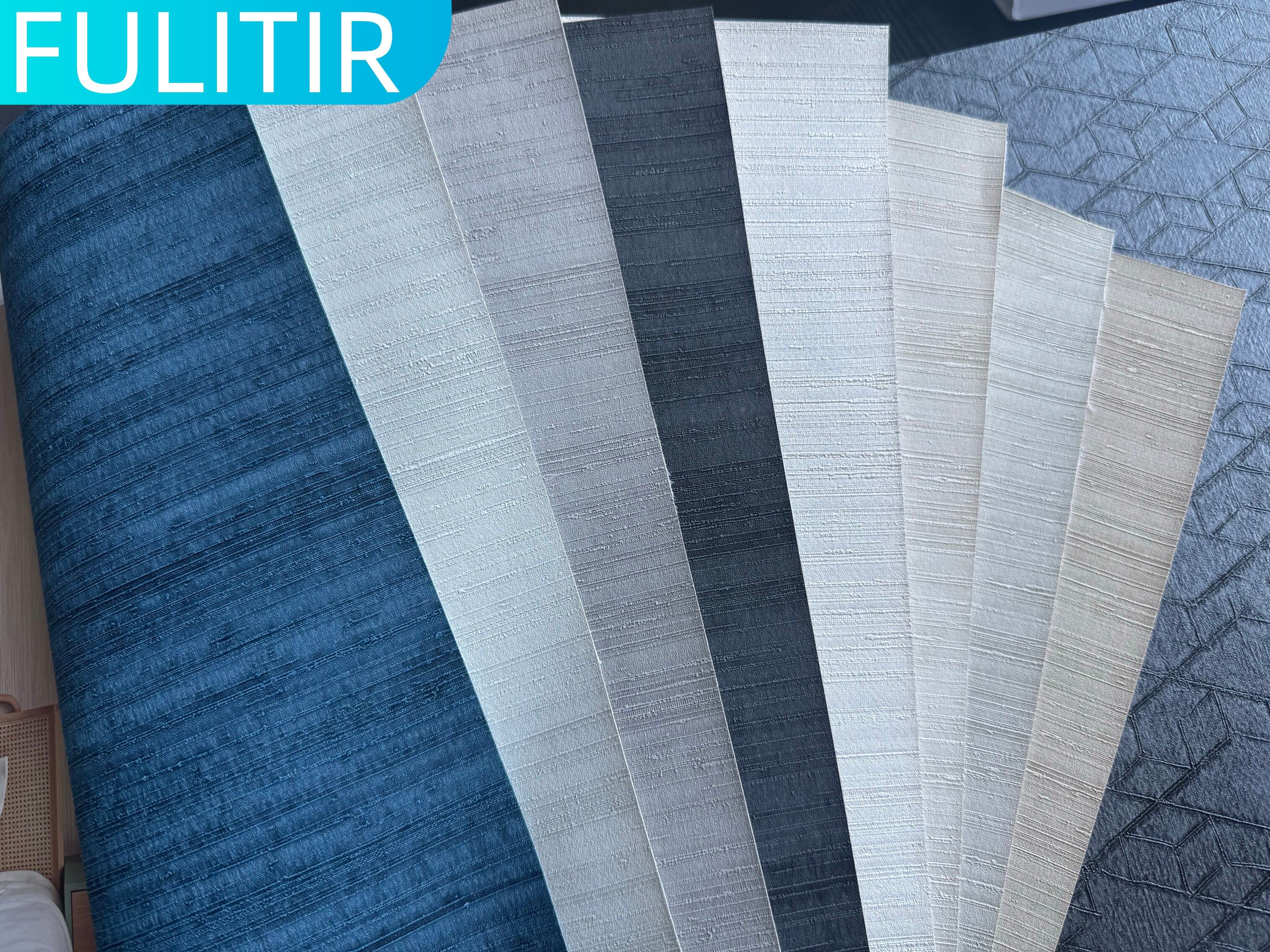
Creating a custom pattern online has revolutionized how designers, homeowners, and businesses approach personalized design solutions. The digital transformation in design tools has made it possible for anyone to develop unique patterns without extensive technical knowledge or expensive software. This accessibility has opened new opportunities for creative expression and commercial applications across various industries.
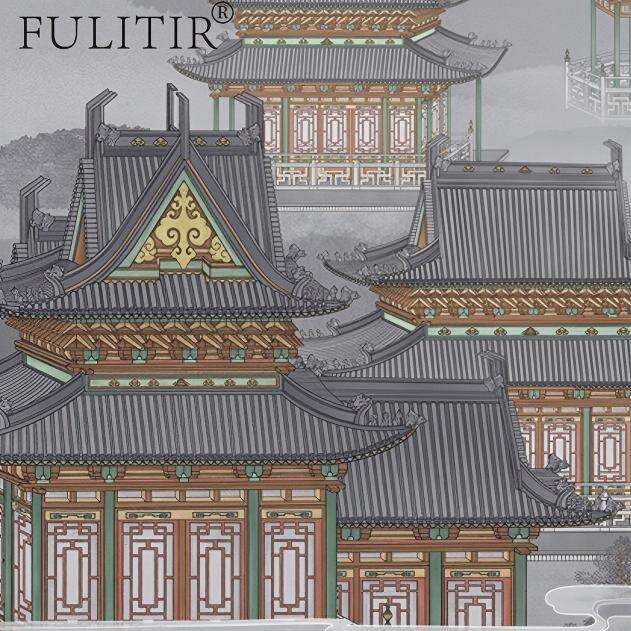
The evolution of online design platforms has democratized pattern creation, allowing users to experiment with colors, shapes, and textures in real-time. These platforms combine intuitive interfaces with powerful design engines that can generate complex patterns from simple inputs. Whether you're designing for wall coverings, textiles, or digital applications, the ability to create a custom pattern online has become an essential skill in today's design landscape.
Understanding Digital Pattern Creation Fundamentals
Essential Elements of Pattern Design
When developing a custom pattern online, understanding the fundamental elements is crucial for achieving professional results. Pattern design relies on repetition, rhythm, and visual balance to create cohesive and appealing designs. The basic components include motifs, which are the recurring design elements, and the underlying grid structure that determines how these elements repeat across the surface.
Color theory plays a vital role in pattern creation, as the right color combinations can enhance the visual impact and ensure the pattern works harmoniously within its intended environment. Online tools typically provide color palette generators and harmony guides that help users make informed decisions about their color schemes. The interplay between foreground and background elements creates depth and visual interest in the final design.
Technical Specifications for Online Platforms
Modern online pattern design platforms operate with specific technical requirements that users must understand to achieve optimal results. Resolution settings, file formats, and color modes all impact the final output quality. Most professional platforms support high-resolution outputs suitable for both digital and print applications, ensuring versatility in how the custom pattern can be used.
Vector-based systems offer scalability advantages, allowing patterns to be resized without quality loss. This flexibility is particularly important for applications like wall coverings where the pattern may need to adapt to different surface dimensions. Understanding these technical aspects enables users to make informed decisions about their design approach and output requirements.
Selecting the Right Online Design Platform
Feature Comparison and Platform Capabilities
The market offers numerous online platforms for creating custom patterns, each with distinct advantages and limitations. Professional-grade platforms typically provide advanced features like seamless tiling, pattern preview modes, and extensive library resources. These tools often include artificial intelligence-powered suggestions that can help users refine their designs and explore creative possibilities they might not have considered.
User-friendly interfaces are essential for efficient pattern creation, especially for those without extensive design backgrounds. The best platforms balance powerful functionality with intuitive operation, offering guided workflows that help users through the design process. Cloud-based systems provide additional benefits like automatic saving, collaboration features, and access from multiple devices.
Cost Considerations and Subscription Models
Online pattern design platforms employ various pricing models, from free basic versions to premium subscriptions with advanced features. Understanding these cost structures helps users select platforms that align with their budget and usage requirements. Many platforms offer tiered pricing that scales with features and usage limits, making them accessible to both casual users and professional designers.
Free platforms often provide sufficient functionality for basic custom pattern creation, while paid versions unlock professional features like high-resolution exports, commercial licensing, and extensive template libraries. Evaluating the cost-benefit ratio involves considering both immediate needs and potential future requirements as design skills and project complexity grow.
Step-by-Step Pattern Creation Process
Initial Concept Development and Sketching
Beginning the custom pattern creation process requires clear conceptualization of the desired outcome. Successful designers often start with hand sketches or rough digital concepts before moving to formal online tools. This preliminary phase helps establish the overall aesthetic direction and identifies key design elements that will form the pattern's foundation.
Research and inspiration gathering significantly impact the final design quality. Studying existing patterns, natural forms, and artistic movements can provide valuable insights and spark creative ideas. Online platforms often include inspiration galleries and trend resources that can help users explore different stylistic approaches and contemporary design directions.
Digital Implementation and Refinement
Translating concepts into digital format involves working with the chosen platform's tools and interfaces. Most systems provide drawing tools, shape libraries, and import capabilities for external graphics. The transition from concept to digital implementation often reveals opportunities for refinement and improvement that weren't apparent in the initial sketching phase.
Iterative refinement is essential for achieving professional results when creating a custom pattern online. This process involves adjusting colors, scaling elements, and fine-tuning the repeat structure. Online platforms facilitate this refinement through real-time previews and undo functionality, allowing users to experiment freely without fear of losing progress.
Advanced Techniques for Professional Results
Seamless Tiling and Repeat Structures
Creating seamless patterns requires understanding how design elements connect at pattern boundaries. Professional online platforms provide tiling previews that show how the pattern repeats across larger surfaces. This functionality is crucial for applications like wall coverings where visible seams can detract from the overall aesthetic impact.
Advanced repeat structures go beyond simple grid-based repetition to include offset patterns, radial arrangements, and complex geometric relationships. These sophisticated approaches can create more dynamic and visually interesting results. Understanding how to implement these structures within online tools opens up new creative possibilities for custom pattern development.
Color Management and Variation Creation
Professional custom pattern work often requires multiple colorway variations of the same design. Online platforms typically provide tools for creating these variations efficiently, allowing users to experiment with different color combinations while maintaining the underlying pattern structure. This capability is particularly valuable for commercial applications where multiple options increase market appeal.
Color harmony and contrast management ensure that patterns work effectively in their intended environments. Advanced platforms offer color analysis tools that help users understand how their chosen palettes will perform under different lighting conditions and alongside other design elements. This technical knowledge contributes significantly to the professional quality of the final custom pattern.
Industry Applications and Market Opportunities
Interior Design and Architecture Integration
The interior design industry has embraced online custom pattern creation as a way to offer unique solutions to clients. Designers can create patterns specifically tailored to project requirements, room dimensions, and client preferences. This customization capability has become a significant competitive advantage in the design services market.
Architectural applications for custom patterns extend beyond traditional wall coverings to include ceiling treatments, floor designs, and exterior surface applications. The ability to create patterns online and visualize them in context has streamlined the design process and improved client communication. These applications often require understanding of building codes and material specifications, adding complexity to the design process.
Commercial and Retail Applications
Retail environments increasingly use custom patterns to create distinctive brand experiences and visual merchandising solutions. Online design tools enable rapid prototyping and iteration, allowing retailers to test different concepts quickly and cost-effectively. The ability to create unique patterns helps businesses differentiate themselves in competitive markets.
Manufacturing integration has become more sophisticated, with many online platforms offering direct connections to production facilities. This streamlined workflow allows users to move seamlessly from design concept to finished product, reducing lead times and eliminating intermediary steps that can introduce errors or delays.
Troubleshooting Common Design Challenges
Resolution and Quality Issues
Quality problems often arise when users don't understand the relationship between design resolution and final output requirements. Online platforms typically provide guidance on appropriate resolution settings for different applications, but users must understand how to apply this information to their specific projects. Low-resolution designs may appear acceptable on screen but produce poor results when printed or applied to large surfaces.
File format compatibility can create challenges when moving designs between platforms or preparing them for production. Understanding which formats preserve quality and which are suitable for specific applications helps avoid quality degradation. Many online tools provide automatic format conversion, but manual oversight ensures optimal results for critical applications.
Pattern Alignment and Scaling Problems
Alignment issues frequently occur when users don't properly understand how their custom pattern will repeat across larger surfaces. Online preview tools help identify these problems early in the design process, but users must know how to interpret and respond to the feedback these tools provide. Proper alignment is crucial for professional installations and manufacturing quality.
Scaling challenges arise when patterns designed for one application need adaptation for different sizes or surfaces. Online platforms increasingly provide automatic scaling features, but understanding the limitations and potential issues helps users make informed decisions about when manual adjustments are necessary for optimal results.
Future Trends in Online Pattern Design
Artificial Intelligence and Machine Learning Integration
Artificial intelligence is transforming how users approach custom pattern creation online, offering intelligent suggestions, automated optimization, and style transfer capabilities. These technologies can analyze existing designs and suggest improvements or variations that maintain aesthetic coherence while exploring new creative directions. The integration of AI tools is making sophisticated design techniques accessible to users without extensive technical backgrounds.
Machine learning algorithms can analyze user preferences and behavior to provide personalized recommendations and streamlined workflows. As these systems become more sophisticated, they will likely offer predictive capabilities that anticipate user needs and suggest appropriate tools and techniques for specific projects.
Virtual and Augmented Reality Visualization
Virtual reality integration allows users to experience their custom patterns in realistic three-dimensional environments before committing to production. This technology is particularly valuable for architectural and interior design applications where understanding how patterns work within spaces is crucial for success. VR capabilities are becoming more accessible as hardware costs decrease and software integration improves.
Augmented reality applications enable users to overlay their custom pattern designs onto existing surfaces using mobile devices or specialized equipment. This functionality bridges the gap between digital design and physical implementation, providing valuable feedback about scale, color, and overall aesthetic impact in real-world contexts.
FAQ
What software skills are needed to create a custom pattern online
Most online pattern design platforms are designed for users with minimal technical experience, requiring only basic computer navigation skills and an understanding of fundamental design concepts. While prior experience with graphics software can be helpful, it's not essential for creating effective custom patterns. Many platforms provide tutorials and guided workflows that help new users develop the necessary skills through practical experience.
How much does it typically cost to design custom patterns online
Costs vary significantly depending on the platform and features required, ranging from free basic tools to premium subscriptions costing $20-100 monthly. Many platforms offer free trials or basic versions that provide sufficient functionality for simple projects. Professional-grade features like high-resolution exports, commercial licensing, and advanced editing tools typically require paid subscriptions, but the investment often pays for itself through improved design quality and expanded capabilities.
Can online-created patterns be used for commercial purposes
Commercial usage rights depend on the specific platform's licensing terms and subscription level. Most professional platforms include commercial licensing in their paid plans, allowing users to sell products featuring their custom pattern designs. However, it's essential to review the terms of service for each platform to understand any restrictions or attribution requirements that may apply to commercial usage.
What file formats are best for custom pattern output
Vector formats like SVG or AI are ideal for scalable applications, while high-resolution PNG or TIFF files work well for print applications. The optimal format depends on the intended use, with web applications typically requiring RGB color mode and print applications needing CMYK conversion. Most online platforms provide multiple export options and guidance on selecting appropriate formats for specific applications, ensuring compatibility with downstream production processes.
Table of Contents
- Understanding Digital Pattern Creation Fundamentals
- Selecting the Right Online Design Platform
- Step-by-Step Pattern Creation Process
- Advanced Techniques for Professional Results
- Industry Applications and Market Opportunities
- Troubleshooting Common Design Challenges
- Future Trends in Online Pattern Design
- FAQ