 EN
EN
Wall imperfections can significantly impact the aesthetic appeal of any living space, leading homeowners to explore innovative solutions that combine functionality with visual enhancement. Printing murals have emerged as a transformative approach to wall decoration that addresses both cosmetic concerns and structural flaws. These custom-designed wall coverings offer a sophisticated method to revitalize interior spaces while simultaneously concealing various surface irregularities. The technology behind modern printing murals has advanced considerably, providing homeowners with exceptional quality options that deliver professional-grade results. When properly applied, these decorative solutions can effectively mask minor wall damage while creating stunning focal points that enhance overall room ambiance.
Understanding Wall Crack Coverage Capabilities
Types of Wall Damage That Printing Murals Can Address
Printing murals excel at concealing various forms of minor wall damage, including hairline cracks, small holes, and surface imperfections that commonly develop over time. These decorative solutions work particularly well with settling cracks that measure less than one-eighth inch in width. Surface scratches, nail holes from previous artwork installations, and minor dents can be effectively hidden beneath high-quality mural applications. The thickness and adhesive properties of modern printing murals provide sufficient coverage to smooth over small irregularities without requiring extensive wall preparation. However, structural cracks or significant damage typically require professional repair before mural installation to ensure optimal results and longevity.
Limitations of Mural Coverage for Severe Wall Issues
While printing murals offer excellent concealment for minor imperfections, they cannot effectively address major structural problems or extensive wall damage. Large cracks exceeding one-quarter inch in width will likely telegraph through the mural material, becoming visible over time. Active settling issues, water damage, or areas with ongoing moisture problems require professional remediation before any decorative application. Printing murals work best on stable surfaces where the underlying wall structure remains sound. Understanding these limitations helps homeowners make informed decisions about when murals represent appropriate solutions versus when professional wall repair becomes necessary before installation.
Material Properties and Installation Techniques
Advanced Substrate Technologies for Wall Covering
Modern printing murals utilize sophisticated substrate materials engineered to provide superior adhesion and durability on various wall surfaces. High-performance vinyl substrates offer excellent conformability, allowing the material to adapt to minor surface irregularities while maintaining visual integrity. These advanced materials feature micro-textured backing systems that enhance adhesion properties and reduce the likelihood of air bubbles during installation. The printing process incorporates fade-resistant inks that maintain color vibrancy over extended periods, ensuring long-term aesthetic appeal. Some premium printing murals include specialized backing materials with built-in primer properties that improve adhesion to challenging surfaces like textured walls or previously painted areas.
Professional Installation Methods for Optimal Coverage
Proper installation techniques play a crucial role in maximizing the crack-covering effectiveness of printing murals. Professional installers utilize specialized tools and methods to ensure smooth application over minor wall imperfections. The installation process typically involves thorough surface preparation, including cleaning and light sanding to create optimal adhesion conditions. Experienced technicians employ specific smoothing techniques that help the mural material conform to wall irregularities while eliminating trapped air. Temperature and humidity control during installation significantly impacts the final result, with optimal conditions ensuring proper adhesion and minimizing the risk of future lifting or bubbling around crack areas.
Design Considerations for Effective Crack Concealment
Pattern Selection Strategies
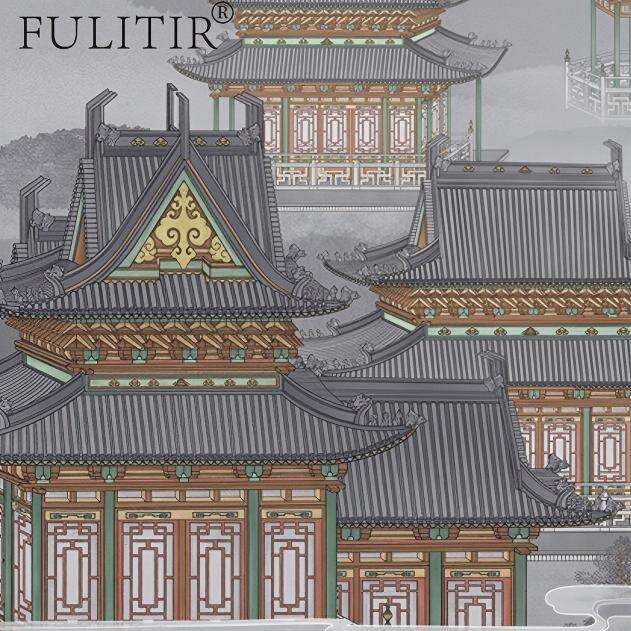
Strategic design choices can significantly enhance the crack-concealing capabilities of printing murals. Busy patterns, textural designs, and organic motifs naturally camouflage minor wall imperfections more effectively than solid colors or geometric patterns. Abstract designs with varied tonal qualities help break up the visual plane, making small cracks less noticeable to observers. Natural textures like stone, wood grain, or fabric patterns create visual depth that masks surface irregularities. When selecting designs for printing murals, homeowners should consider how different pattern types will interact with existing wall conditions to achieve optimal concealment results.
Color Psychology and Visual Distraction Techniques
Color selection plays a vital role in the effectiveness of printing murals for crack concealment applications. Darker colors and rich tones generally provide superior coverage for minor wall imperfections compared to light or neutral shades. Multi-tonal designs that incorporate gradual color transitions help disguise surface irregularities by creating visual complexity that draws attention away from underlying flaws. Contrasting elements within the design can serve as focal points that redirect the viewer's gaze from problematic wall areas. Professional designers often recommend incorporating metallic accents or subtle shimmer effects that add visual interest while further obscuring minor surface imperfections through light reflection and refraction.
Preparation and Surface Treatment Requirements
Pre-Installation Wall Assessment
Comprehensive wall evaluation forms the foundation of successful printing murals installation projects. Professional assessment identifies which cracks can be effectively concealed and which require repair before mural application. Surface stability testing determines whether existing wall conditions can support long-term mural adhesion without future complications. Moisture level measurements ensure that wall surfaces meet acceptable standards for decorative application. The assessment process also evaluates existing paint conditions, surface porosity, and potential adhesion challenges that might affect installation success. This thorough evaluation helps establish realistic expectations regarding the crack-concealing capabilities of printing murals for specific wall conditions.
Optimal Surface Preparation Protocols
Proper surface preparation significantly impacts the crack-concealing effectiveness of printing murals installations. The preparation process typically begins with thorough cleaning to remove dust, grease, and other contaminants that could interfere with adhesion. Light sanding helps create uniform surface texture while slightly opening the pores of previously painted walls for improved bonding. Minor crack filling with appropriate compounds can enhance the overall smoothness of the installation surface. Primer application may be necessary on certain wall types to ensure optimal adhesion and prevent future lifting around crack areas. The investment in proper preparation directly correlates with the longevity and effectiveness of printing murals as crack-concealing solutions.
Long-Term Performance and Maintenance
Durability Expectations for Wall Covering Applications
High-quality printing murals demonstrate excellent long-term performance when properly installed over appropriately prepared surfaces. These decorative solutions typically maintain their crack-concealing effectiveness for many years under normal indoor conditions. The durability of printing murals depends largely on the quality of substrate materials, installation techniques, and underlying wall stability. Premium materials resist shrinkage, expansion, and other dimensional changes that could compromise crack coverage over time. Environmental factors such as humidity levels, temperature fluctuations, and exposure to direct sunlight can influence long-term performance characteristics. Understanding these factors helps homeowners maintain realistic expectations regarding the lifespan of their printing murals installations.
Maintenance Requirements and Care Protocols
Proper maintenance practices help preserve the crack-concealing effectiveness of printing murals throughout their service life. Regular gentle cleaning with appropriate materials prevents the accumulation of dirt and grime that could highlight underlying wall imperfections. Periodic inspection allows for early detection of any lifting, bubbling, or other issues that might compromise crack coverage. Temperature and humidity control within recommended ranges helps prevent dimensional changes that could affect mural performance. When maintenance issues arise, prompt professional attention often prevents minor problems from developing into more significant concerns. The relatively low maintenance requirements of printing murals make them attractive long-term solutions for covering minor wall imperfections.
Cost-Effectiveness and Value Comparison
Economic Analysis of Mural Solutions Versus Traditional Repair
Printing murals often provide superior cost-effectiveness compared to traditional wall repair methods for addressing minor crack issues. The combined cost of crack repair, surface preparation, priming, and repainting frequently exceeds the investment required for quality mural installation. Additionally, printing murals deliver enhanced aesthetic value that extends beyond simple crack concealment to include significant interior design benefits. The time savings associated with mural installation versus multi-step repair processes represents additional economic value for homeowners. Professional printing murals installations typically require less disruption to daily routines compared to extensive repair and repainting projects. This comprehensive value proposition makes decorative wall covering an attractive alternative to conventional repair approaches.
Return on Investment Considerations
The aesthetic enhancement provided by printing murals can positively impact property values while simultaneously addressing wall imperfection concerns. These decorative installations often serve as focal points that enhance overall interior design schemes and create memorable visual impressions. The durability and low maintenance requirements of quality printing murals contribute to their long-term value proposition for homeowners. Energy efficiency benefits may result from the additional insulation properties of certain mural materials, providing ongoing operational savings. The flexibility to update or change designs in the future without extensive wall preparation adds to the overall investment value. These factors combine to create compelling return on investment scenarios for homeowners considering printing murals as solutions for wall crack issues.
FAQ
Can printing murals completely hide hairline cracks in walls
Yes, high-quality printing murals can effectively conceal hairline cracks and minor surface imperfections when properly installed. The thickness and conformability of modern mural materials allow them to bridge small gaps and create smooth visual surfaces. However, the effectiveness depends on crack size, wall stability, and proper installation techniques. Cracks larger than one-eighth inch may require filling before mural application for optimal results.
How long do printing murals maintain their crack-covering effectiveness
Premium printing murals typically maintain their crack-concealing capabilities for 10-15 years or more under normal indoor conditions. The longevity depends on material quality, installation techniques, environmental conditions, and underlying wall stability. Regular maintenance and appropriate care can extend the effective lifespan of mural installations while preserving their aesthetic and functional benefits.
Do printing murals work on textured or previously painted walls
Modern printing murals can be successfully applied to various wall surfaces including textured and previously painted walls. However, surface preparation requirements may vary depending on existing conditions. Heavily textured surfaces might require additional preparation steps, while glossy paint finishes may need light sanding for optimal adhesion. Professional consultation helps determine the best approach for specific wall conditions.
What types of wall cracks should not be covered with printing murals
Structural cracks, active settling cracks, or damage caused by moisture problems should not be covered with printing murals without first addressing the underlying issues. Cracks wider than one-quarter inch, cracks that continue to expand, or areas with ongoing movement require professional repair before any decorative application. Covering serious structural issues with murals can mask important warning signs and potentially lead to more significant problems over time.