
 EN
EN
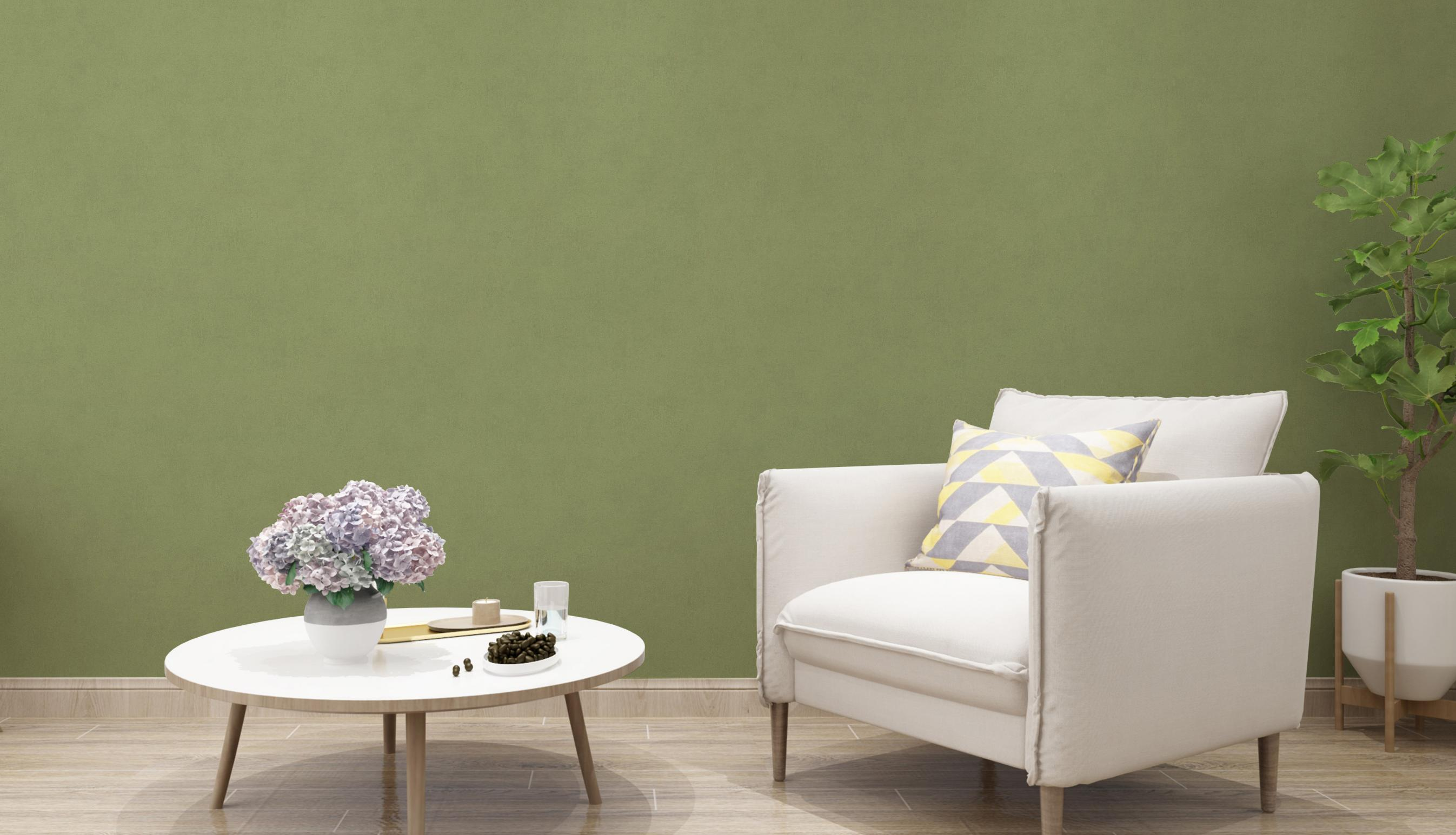
Hotel hygiene standards have never been more critical than they are today, with guests increasingly prioritizing cleanliness and safety when selecting accommodations. Among the various materials that can significantly impact a hotel's hygiene profile, hotel PVC wall covering stands out as a game-changing solution that addresses multiple cleanliness challenges simultaneously. This innovative wall treatment offers properties that traditional wallpapers and painted surfaces simply cannot match, particularly in high-traffic hospitality environments where maintaining pristine conditions is paramount.
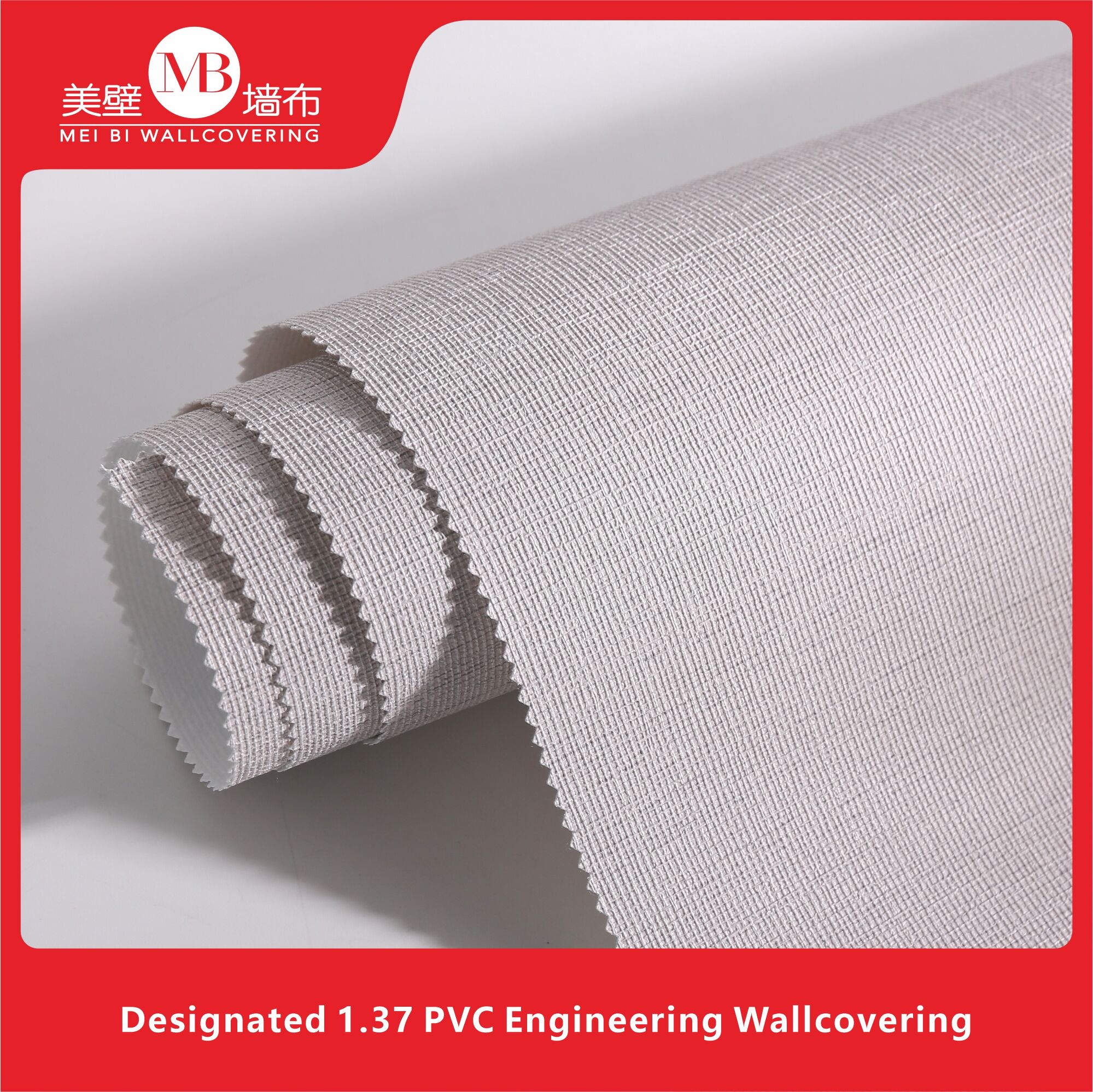
The hospitality industry faces unique challenges when it comes to wall surface management, as guest rooms, corridors, and public areas experience constant use and require frequent cleaning. Traditional wall finishes often become breeding grounds for bacteria, absorb moisture that leads to mold growth, and suffer from wear that compromises both aesthetics and hygiene. Hotel PVC wall covering addresses these concerns through its non-porous surface structure, antimicrobial properties, and exceptional durability that maintains hygienic conditions over extended periods.
Understanding how hotel PVC wall covering contributes to improved guest hygiene requires examining both its material properties and its practical applications in real-world hospitality settings. The polyvinyl chloride composition creates a barrier that prevents moisture penetration, eliminates the absorption of odors and contaminants, and provides a surface that can withstand rigorous cleaning protocols without degradation. These characteristics translate directly into measurable improvements in indoor air quality, reduced pathogen transmission, and enhanced overall guest health and safety.
Antimicrobial Properties of Hotel PVC Wall Covering
Surface Composition and Bacterial Resistance
The molecular structure of hotel PVC wall covering creates an inhospitable environment for bacterial growth and proliferation. Unlike porous materials such as traditional wallpaper or painted drywall, the smooth, non-porous surface of PVC prevents bacteria from finding microscopic crevices where they can establish colonies. This fundamental difference in surface topology means that pathogens cannot penetrate the material or create the biofilms that often develop on conventional wall surfaces in humid hotel environments.
Many modern hotel PVC wall covering products incorporate specific antimicrobial additives during the manufacturing process. These additives, typically silver ions or copper-based compounds, actively inhibit the growth of harmful microorganisms on contact. The result is a wall surface that not only resists bacterial colonization but actively works to eliminate pathogens that come into contact with it, providing an additional layer of protection for guest health and safety.
Testing protocols for antimicrobial effectiveness demonstrate that hotel PVC wall covering can reduce bacterial counts by up to 99.9% within hours of contact. This rapid antimicrobial action is particularly valuable in guest bathrooms, where humidity levels create ideal conditions for bacterial and fungal growth. The consistent performance of these antimicrobial properties over time ensures that the hygienic benefits persist throughout the product's lifespan, maintaining protection without degradation.
Mold and Mildew Prevention
Moisture management represents one of the most significant challenges in hotel hygiene maintenance, particularly in guest bathrooms and areas with high humidity levels. Hotel PVC wall covering excels in these environments due to its inherent moisture resistance and vapor barrier properties. The material prevents water penetration into wall substrates, eliminating the damp conditions that fungi require for growth and reproduction.
The prevention of mold and mildew growth extends beyond surface cleanliness to impact indoor air quality significantly. When mold spores become airborne, they can trigger respiratory issues, allergic reactions, and other health problems for sensitive guests. By preventing fungal growth at the source, hotel PVC wall covering contributes to cleaner indoor air and reduces the risk of guest health complications during their stay.
Regular maintenance of hotel PVC wall covering in moisture-prone areas requires minimal effort while providing maximum protection. Simple cleaning with appropriate antimicrobial solutions maintains the surface's protective properties and ensures continued resistance to fungal growth. This ease of maintenance allows housekeeping staff to focus on other critical hygiene tasks while knowing that wall surfaces remain protected against microbial contamination.
Cleaning and Maintenance Advantages
Chemical Resistance and Deep Cleaning Protocols
The chemical resistance of hotel PVC wall covering enables the use of hospital-grade disinfectants and cleaning agents that would damage traditional wall finishes. This compatibility with stronger cleaning solutions allows hotels to implement more rigorous sanitization protocols, particularly important in response to heightened hygiene expectations and health safety requirements. The ability to use bleach-based cleaners, quaternary ammonium compounds, and alcohol-based disinfectants without surface damage ensures thorough pathogen elimination.
Deep cleaning procedures that involve prolonged contact with disinfectants pose no risk to hotel PVC wall covering, unlike painted surfaces that may peel, fade, or degrade under such treatment. This durability allows for the implementation of enhanced cleaning protocols during health emergencies or seasonal deep-cleaning initiatives without concerns about wall surface integrity or the need for frequent repainting or replacement.
The smooth surface texture of hotel PVC wall covering facilitates the complete removal of cleaning residues, preventing the accumulation of soap films or chemical deposits that could harbor bacteria or create unsanitary conditions. This thoroughness in cleaning capability ensures that each sanitization cycle achieves maximum effectiveness, contributing to consistently high hygiene standards throughout the property.
Stain Resistance and Soil Prevention
Stain resistance plays a crucial role in maintaining hygienic conditions, as stained surfaces can harbor bacteria and create unsightly conditions that compromise guest perceptions of cleanliness. Hotel PVC wall covering demonstrates exceptional resistance to common hotel stains, including beverages, cosmetics, food residues, and biological fluids. This resistance stems from the non-porous surface that prevents staining agents from penetrating into the material structure.
When stains do occur on hotel PVC wall covering surfaces, removal typically requires only mild cleaning solutions and minimal effort. This ease of stain removal reduces the time housekeeping staff must spend on wall maintenance while ensuring that guest rooms return to pristine condition quickly. The efficiency of stain removal also reduces the likelihood of permanent discoloration that could compromise the perceived cleanliness of guest accommodations.
Soil prevention characteristics of hotel PVC wall covering extend beyond visible cleanliness to encompass microscopic contamination that guests cannot see but may impact their health. The smooth surface prevents the accumulation of dust, skin cells, and other organic matter that could serve as nutrients for bacterial growth. Regular light cleaning maintains these soil prevention benefits and ensures continued hygienic performance.
Impact on Indoor Air Quality
Volatile Organic Compound Reduction
Indoor air quality significantly influences guest comfort, health, and overall satisfaction with their hotel experience. Hotel PVC wall covering contributes to improved air quality through its low emission characteristics and resistance to off-gassing that commonly occurs with traditional wall finishes. High-quality PVC formulations meet strict environmental standards for volatile organic compound emissions, ensuring that wall surfaces do not contribute to indoor air pollution.
The non-absorbent nature of hotel PVC wall covering prevents the accumulation of airborne contaminants within the wall surface material. Traditional porous wall coverings can absorb and then slowly release odors, chemicals, and other airborne pollutants, creating a continuous source of indoor air degradation. PVC surfaces eliminate this concern by providing no absorption pathway for contaminants to penetrate and subsequently re-emit into the indoor environment.
Regular cleaning of hotel PVC wall covering actually improves indoor air quality by removing surface contaminants that might otherwise become airborne through mechanical disturbance or temperature fluctuations. This active improvement in air quality through routine maintenance creates a positive feedback loop where proper cleaning enhances both surface hygiene and atmospheric cleanliness.
Allergen Control and Respiratory Health
Allergen control represents a critical aspect of guest health protection, particularly for travelers with respiratory sensitivities or compromised immune systems. Hotel PVC wall covering excels in allergen prevention through its smooth, non-fibrous surface that provides no habitat for dust mites, pollen accumulation, or other common allergens that can trigger respiratory reactions in sensitive individuals.
The elimination of textile fibers and organic materials from wall surfaces significantly reduces the allergen load within guest rooms. Traditional wallpapers, particularly those with fabric backing or textured surfaces, can trap allergens and release them periodically through air movement or mechanical disturbance. Hotel PVC wall covering eliminates these concerns by providing a completely inorganic surface that neither harbors nor releases allergenic particles.
Respiratory health benefits extend to hotel staff as well as guests, creating a healthier work environment for housekeeping and maintenance personnel who spend extended periods in guest rooms and public areas. The reduced allergen levels and improved air quality contribute to decreased respiratory irritation and enhanced comfort for all building occupants.
Durability and Long-term Hygiene Performance
Wear Resistance and Surface Integrity
Long-term hygiene performance depends heavily on the ability of hotel PVC wall covering to maintain its protective properties over extended periods of use and cleaning. The inherent durability of PVC materials ensures that surface integrity remains intact despite repeated exposure to cleaning chemicals, mechanical scrubbing, and environmental stresses that would compromise lesser materials.
Wear resistance testing demonstrates that hotel PVC wall covering retains its antimicrobial properties, stain resistance, and cleaning compatibility throughout its expected lifespan. This consistency in performance eliminates the gradual degradation of hygiene capabilities that occurs with painted surfaces or traditional wallpapers, ensuring that guest protection remains constant rather than diminishing over time.
Surface integrity under stress conditions, including impact resistance and flexibility, prevents the formation of cracks, tears, or other damage that could compromise hygienic performance. These physical defects in wall surfaces often become harboring points for bacteria and other contaminants, making damage prevention crucial for maintaining optimal hygiene standards in high-traffic hotel environments.
Cost-effectiveness of Hygiene Maintenance
The economic benefits of hotel PVC wall covering extend beyond initial installation costs to encompass long-term maintenance savings and operational efficiency gains. Reduced cleaning time requirements allow housekeeping staff to allocate more attention to other critical areas while maintaining superior wall surface hygiene. This efficiency improvement translates directly into labor cost savings and enhanced overall cleanliness standards.
Elimination of frequent repainting, wallpaper replacement, and surface repair activities represents significant cost savings over the product lifecycle. Traditional wall finishes in hotel environments typically require replacement every few years due to wear, staining, or hygiene degradation. Hotel PVC wall covering extends these replacement cycles dramatically while providing superior hygienic performance throughout its extended service life.
Investment in hotel PVC wall covering yields measurable returns through reduced maintenance costs, improved guest satisfaction scores, and enhanced reputation for cleanliness and safety. These financial benefits, combined with the superior hygiene performance, make PVC wall covering an economically sound choice for hospitality properties focused on guest health and operational efficiency.
Implementation in Different Hotel Areas
Guest Room Applications
Guest room implementation of hotel PVC wall covering requires careful consideration of aesthetic requirements alongside hygiene benefits. Modern PVC formulations offer extensive design options, including wood grain textures, fabric appearances, and solid colors that complement various décor themes while providing superior hygienic performance. This design flexibility ensures that hygiene improvements do not compromise visual appeal or guest comfort.
Bathroom applications represent the most critical hygiene concern in guest rooms, where high humidity and frequent use create challenging conditions for traditional wall finishes. Hotel PVC wall covering excels in these environments, providing complete moisture protection while maintaining attractive appearance and easy cleaning capability. The elimination of mold, mildew, and bacterial growth in guest bathrooms directly impacts guest health and satisfaction.
Headboard areas and high-contact surfaces benefit significantly from hotel PVC wall covering installation, as these zones experience frequent guest contact and potential contamination. The easy cleaning and antimicrobial properties ensure that these critical areas remain hygienic between guests while withstanding the cleaning protocols necessary for thorough sanitization.
Public Area Considerations
Public areas, including lobbies, corridors, and dining spaces, present unique challenges for hygiene maintenance due to high traffic volumes and diverse contamination sources. Hotel PVC wall covering addresses these challenges through its exceptional durability and cleaning compatibility, maintaining hygienic conditions despite heavy use and frequent cleaning requirements.
Elevator interiors benefit particularly from hotel PVC wall covering installation, as these confined spaces experience intense use and require frequent sanitization. The chemical resistance and stain prevention capabilities ensure that elevator walls remain clean and attractive while supporting rigorous cleaning protocols necessary for high-traffic vertical transportation systems.
Food service areas require specialized attention to hygiene standards, making hotel PVC wall covering an ideal choice for restaurant walls, service corridors, and back-of-house spaces. The material's compliance with food safety regulations and compatibility with commercial cleaning agents ensures that dining areas maintain the highest standards of cleanliness and guest safety.
FAQ
How does hotel PVC wall covering compare to traditional paint in terms of hygiene
Hotel PVC wall covering significantly outperforms traditional paint in hygiene applications due to its non-porous surface, antimicrobial properties, and superior cleaning compatibility. While painted surfaces can absorb moisture and contaminants, potentially harboring bacteria and mold, PVC creates an impermeable barrier that prevents pathogen penetration. The chemical resistance of hotel PVC wall covering allows for the use of hospital-grade disinfectants that would damage painted surfaces, enabling more thorough sanitization protocols essential for guest health protection.
What maintenance procedures are required to maximize the hygiene benefits of hotel PVC wall covering
Maximizing hygiene benefits requires regular cleaning with appropriate disinfectants, immediate attention to any stains or contamination, and periodic deep cleaning protocols using approved antimicrobial solutions. The smooth surface of hotel PVC wall covering facilitates easy cleaning with standard housekeeping equipment, while its chemical resistance allows for enhanced sanitization procedures when necessary. Staff training on proper cleaning techniques ensures optimal performance and longevity of the hygienic properties throughout the product's service life.
Can hotel PVC wall covering help hotels meet enhanced health and safety standards
Yes, hotel PVC wall covering directly supports compliance with enhanced health and safety standards by providing measurable improvements in surface hygiene, air quality, and cleaning effectiveness. The antimicrobial properties, moisture resistance, and easy sanitization capability help hotels exceed baseline hygiene requirements while providing documentation of proactive health protection measures. Many health departments and hospitality certification programs recognize the hygiene advantages of PVC wall covering systems as part of comprehensive safety protocols.
What is the expected lifespan of hygiene protection from hotel PVC wall covering
High-quality hotel PVC wall covering maintains its hygiene protection properties throughout its expected 15-20 year lifespan when properly installed and maintained. The antimicrobial additives, stain resistance, and cleaning compatibility remain effective over time, unlike traditional wall finishes that degrade and lose protective capabilities within a few years. This long-term consistency in hygienic performance provides hotels with reliable guest protection and predictable maintenance costs while supporting sustained compliance with health and safety standards.
Table of Contents
- Antimicrobial Properties of Hotel PVC Wall Covering
- Cleaning and Maintenance Advantages
- Impact on Indoor Air Quality
- Durability and Long-term Hygiene Performance
- Implementation in Different Hotel Areas
-
FAQ
- How does hotel PVC wall covering compare to traditional paint in terms of hygiene
- What maintenance procedures are required to maximize the hygiene benefits of hotel PVC wall covering
- Can hotel PVC wall covering help hotels meet enhanced health and safety standards
- What is the expected lifespan of hygiene protection from hotel PVC wall covering