
 EN
EN
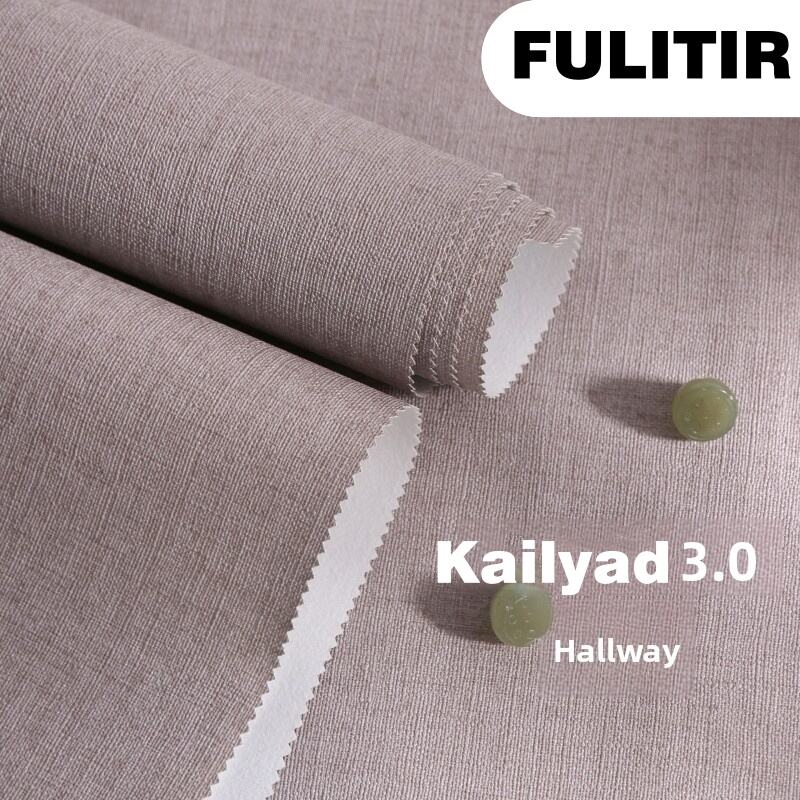
When specifying wall covering materials for commercial projects, facility managers and architects often encounter situations where exterior or semi-exposed applications demand durable solutions. The question of whether 15 oz PVC wall cloth can be used outdoors is not simply a yes-or-no answer—it requires understanding the material's inherent properties, environmental stressors, and the specific conditions of outdoor use. While 15 oz PVC wall cloth is engineered primarily for interior commercial environments such as office buildings, retail spaces, and hospitality venues, its performance outdoors depends on factors including UV exposure, temperature fluctuations, moisture levels, and the intended duration of installation.
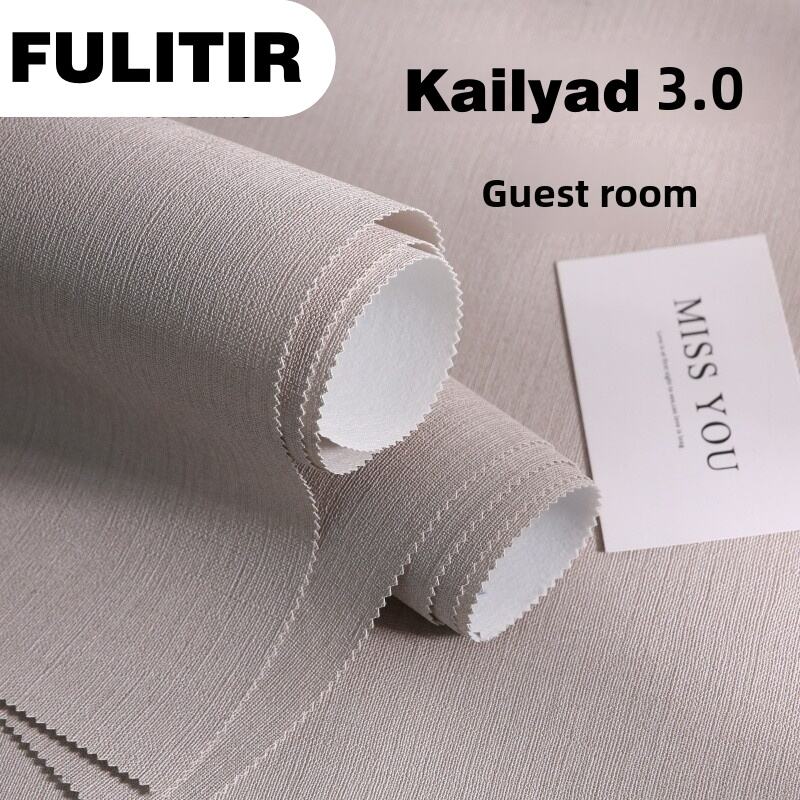
This article examines the practical considerations, performance limitations, and conditional suitability of 15 oz PVC wall cloth for outdoor applications. By analyzing the material composition, environmental challenges, protective measures, and real-world scenarios, you will gain a comprehensive understanding of when and how this wall covering can function beyond interior settings. The goal is to provide decision-useful guidance that helps you assess whether 15 oz PVC wall cloth meets the demands of your specific outdoor project, or whether alternative materials should be considered.
Understanding the Material Composition and Design Intent of 15 oz PVC Wall Cloth
Core Material Structure and Manufacturing Process
The construction of 15 oz PVC wall cloth involves a woven or knitted polyester fabric base that is coated with polyvinyl chloride resin. The 15 oz designation refers to the weight per square yard, indicating a medium-to-heavy duty material suitable for high-traffic commercial interiors. The PVC coating provides water resistance, stain resistance, and dimensional stability, while the fabric substrate contributes tensile strength and tear resistance. This layered construction is optimized for indoor environments where temperature and humidity remain relatively stable, and where direct sunlight exposure is minimal or filtered through windows.
Manufacturing processes typically involve calendering or coating techniques that ensure uniform thickness and surface finish. The PVC formulation includes plasticizers to maintain flexibility, stabilizers to prevent degradation, and sometimes additives for fire retardancy or antimicrobial properties. However, standard formulations for interior-grade 15 oz PVC wall cloth do not always incorporate UV stabilizers or advanced weathering additives that are essential for prolonged outdoor exposure. Understanding this baseline composition is critical when evaluating outdoor suitability.
Primary Design Intent and Performance Expectations
The primary design intent of 15 oz PVC wall cloth is to provide a durable, cleanable, and aesthetically versatile surface for interior commercial walls. It is engineered to withstand abrasion from furniture, equipment, and foot traffic, resist moisture from cleaning operations, and maintain appearance over years of indoor use. The material excels in controlled environments where temperature ranges are moderate, UV exposure is limited, and mechanical stresses are predictable. These conditions allow the PVC coating to remain flexible and bonded to the substrate without premature cracking, fading, or delamination.
When considering outdoor use, it is essential to recognize that 15 oz PVC wall cloth was not originally formulated with exterior weathering as a primary performance criterion. This does not automatically disqualify it from all outdoor applications, but it does mean that performance expectations must be adjusted, protective measures may be required, and service life outdoors will likely be shorter than indoors. The material's inherent water resistance and dimensional stability provide some baseline protection, but other environmental factors introduce risks that must be carefully managed.
Environmental Challenges That Impact Outdoor Performance
Ultraviolet Radiation and Color Stability
Ultraviolet radiation from sunlight is the most significant environmental challenge for 15 oz PVC wall cloth used outdoors. UV rays break down the molecular structure of PVC and degrade plasticizers, leading to surface chalking, color fading, and loss of flexibility. Without adequate UV stabilizers in the formulation, the material may show visible degradation within months of continuous outdoor exposure. Dark colors and saturated pigments are particularly vulnerable, as they absorb more UV energy and exhibit faster fading compared to lighter shades.
The rate of UV-induced degradation depends on geographic location, orientation of the installation, and seasonal variation. Installations in high-altitude or low-latitude regions with intense sunlight will experience faster deterioration than those in temperate climates with frequent cloud cover. If the 15 oz PVC wall cloth is used in partially shaded areas, under overhangs, or on walls that receive indirect sunlight, UV exposure can be significantly reduced, extending the usable lifespan. However, even diffused UV radiation can cause gradual degradation over time.
Temperature Extremes and Thermal Cycling
Outdoor environments subject 15 oz PVC wall cloth to temperature extremes that are far more severe than typical indoor conditions. High temperatures can cause the PVC coating to soften, sag, or become tacky, especially if the material reaches or exceeds its glass transition temperature. Conversely, low temperatures can make the material brittle and prone to cracking, particularly if the plasticizers have migrated or degraded. Thermal cycling—repeated expansion and contraction due to day-night or seasonal temperature swings—imposes mechanical stress on both the PVC coating and the fabric substrate, potentially leading to delamination or dimensional distortion.
In cold climates, freeze-thaw cycles introduce additional risks if moisture penetrates the material or accumulates behind it. Ice formation can exert pressure that separates the coating from the substrate or damages the wall surface to which the 15 oz PVC wall cloth is adhered. In hot climates, prolonged exposure to surface temperatures exceeding 140 degrees Fahrenheit can accelerate plasticizer loss and oxidative degradation. These temperature-related challenges are cumulative and can significantly shorten the service life of the material when used outdoors without protective measures.
Moisture, Wind, and Mechanical Stress
While 15 oz PVC wall cloth is inherently water-resistant, outdoor exposure to rain, snow, and high humidity introduces moisture-related risks that differ from interior cleaning or occasional spills. Prolonged moisture contact can promote mildew growth on the surface, especially in shaded or poorly ventilated areas. If water infiltrates seams, edges, or damaged areas, it can compromise the adhesive bond and lead to peeling or bubbling. Wind-driven rain can force moisture into joints and fastening points, creating pathways for water intrusion that would not occur in indoor applications.
Wind loading is another mechanical challenge that does not exist indoors. High winds can cause the 15 oz PVC wall cloth to flutter, peel at edges, or detach from the substrate if the installation method is not appropriate for exterior conditions. Dust, airborne debris, and pollutants carried by wind can abrade the surface and accelerate soiling, requiring more frequent cleaning and increasing the risk of surface wear. Understanding these environmental stressors is essential for determining whether a given outdoor application is feasible and what protective or installation modifications may be necessary.
Conditional Outdoor Applications Where 15 oz PVC Wall Cloth May Be Viable
Covered or Semi-Enclosed Exterior Spaces
The most viable outdoor applications for 15 oz PVC wall cloth are covered or semi-enclosed spaces such as exterior corridors, covered loading docks, outdoor pavilions, transit shelters, and building entryways with roof overhangs. In these settings, the material is protected from direct rainfall and intense sunlight, while still being exposed to ambient outdoor temperatures and humidity. The reduced UV exposure and moisture contact significantly extend the material's performance life compared to fully exposed installations.
For example, 15 oz PVC wall cloth can be used effectively on walls within a covered walkway connecting two buildings, where it provides a durable and cleanable surface that withstands higher humidity and temperature fluctuations than typical interior walls. Similarly, it may be suitable for walls in a loading dock area that is roofed but open on one or more sides, offering protection against abrasion and moisture while avoiding direct weather exposure. In these scenarios, the material functions as a bridge between interior and exterior performance, meeting the demands of a transitional environment.
Temporary or Short-Term Outdoor Installations
Another conditional use case for 15 oz PVC wall cloth outdoors is temporary or short-term installations where the material will be exposed for weeks or months rather than years. Trade show booths, temporary construction site barriers, seasonal event structures, and promotional displays may benefit from the ease of installation, visual appeal, and cost-effectiveness of 15 oz PVC wall cloth, even if long-term durability is not required. In these applications, the material can provide adequate performance during its intended service period, after which it is removed or replaced.
For instance, a temporary retail pop-up structure operating for three months during a summer season may use 15 oz PVC wall cloth on interior and semi-exterior walls, accepting that some fading or surface degradation may occur by the end of the period. The key consideration is that the expected lifespan aligns with the project duration and that any degradation does not compromise structural integrity or safety. Temporary outdoor use allows the material to leverage its strengths—appearance, workability, and moisture resistance—while avoiding the long-term weathering challenges that would disqualify it from permanent exterior installations.
Shaded or Indirect Sun Exposure Locations
Locations that receive only indirect sunlight or are heavily shaded by trees, adjacent buildings, or architectural features present another scenario where 15 oz PVC wall cloth may be used outdoors with acceptable performance. North-facing walls in the Northern Hemisphere, for example, receive minimal direct sunlight and lower UV loads compared to south-facing walls. Similarly, walls under deep eaves, behind screens, or within courtyards with limited sky exposure can reduce UV and temperature extremes, allowing the material to perform better than in fully exposed conditions.
In such installations, the 15 oz PVC wall cloth may last several years before showing significant fading or surface degradation, particularly if it is also protected from direct rain and wind. Regular maintenance, including periodic cleaning and inspection for edge lifting or surface damage, can further extend the usable lifespan. However, even in shaded locations, some degree of performance degradation should be expected over time, and the material should not be considered equivalent to purpose-designed exterior wall cladding systems.
Protective Measures and Installation Modifications for Outdoor Use
Surface Treatment and UV Protective Coatings
One approach to improving the outdoor performance of 15 oz PVC wall cloth is the application of a clear UV-resistant topcoat or protective film after installation. These coatings can provide an additional barrier against ultraviolet radiation, reducing the rate of color fading and surface degradation. However, the effectiveness of such treatments depends on the quality of the product used, the thoroughness of application, and the frequency of reapplication. Some UV protective coatings may alter the appearance or texture of the 15 oz PVC wall cloth, and their long-term adhesion and durability should be verified through testing or manufacturer recommendations.
It is important to note that protective coatings are not a substitute for inherent UV stability in the base material. They can extend service life and slow degradation, but they do not make an interior-grade product fully equivalent to exterior-grade materials. Regular reapplication may be necessary, adding to maintenance costs and labor. Additionally, some coatings may not adhere well to the plasticized surface of PVC, leading to peeling or uneven coverage. If protective coatings are considered, consult with both the wall cloth manufacturer and the coating supplier to ensure compatibility and realistic performance expectations.
Enhanced Adhesive and Fastening Systems
Standard interior adhesives used for 15 oz PVC wall cloth may not provide adequate bond strength under outdoor conditions, where temperature extremes and moisture exposure can weaken adhesion. For outdoor applications, consider using exterior-grade contact adhesives, mechanical fastening systems, or a combination of both. Mechanical fasteners such as stainless steel screws with washers, battens, or snap-on trim systems can provide reliable attachment that resists wind loading and thermal movement.
Seams and edges are particularly vulnerable points in outdoor installations. Seam tape, sealants, or overlapping installation techniques can help prevent moisture intrusion and edge lifting. In some cases, a perimeter frame or trim system can secure the edges of the 15 oz PVC wall cloth and provide a clean finish while protecting vulnerable seams. Proper surface preparation, including cleaning and priming of the substrate, is also critical to ensure maximum adhesive performance. If the installation is expected to endure significant environmental stress, consulting with an experienced installer familiar with exterior wall covering systems is highly advisable.
Regular Maintenance and Inspection Protocols
Outdoor use of 15 oz PVC wall cloth requires a more rigorous maintenance and inspection schedule than indoor installations. Regular cleaning to remove dust, pollen, and organic debris can prevent staining and reduce the accumulation of moisture that promotes mildew growth. Periodic inspections should check for signs of fading, surface cracking, edge lifting, seam separation, or adhesive failure. Early detection of these issues allows for timely repairs that can prevent more extensive damage.
Maintenance intervals should be adjusted based on environmental conditions and observed performance. In harsh climates or high-exposure locations, quarterly inspections may be appropriate, while in protected or mild environments, semi-annual inspections may suffice. Repair procedures may include patching damaged areas, resealing seams, or replacing sections of material that have degraded beyond acceptable limits. By treating outdoor installations of 15 oz PVC wall cloth as a managed system rather than a maintenance-free solution, it is possible to extend service life and maintain acceptable appearance and functionality.
When to Choose Alternative Materials for Outdoor Applications
Purpose-Designed Exterior Wall Cladding Systems
For permanent outdoor installations or applications with high exposure to sunlight, rain, and wind, purpose-designed exterior wall cladding systems are generally a more appropriate choice than 15 oz PVC wall cloth. These systems include materials such as fiber cement panels, metal cladding, high-pressure laminates, acrylic-modified PVC membranes, and composite panels specifically formulated with UV stabilizers, weathering additives, and structural reinforcements. Such materials are engineered and tested to meet exterior building code requirements and typically carry warranties that cover outdoor performance.
Exterior-grade PVC membranes, for example, may incorporate advanced stabilizers and higher-density coatings that resist UV degradation, temperature extremes, and moisture far better than interior-grade 15 oz PVC wall cloth. While these materials may have higher upfront costs, their extended service life and lower maintenance requirements often result in better long-term value. If the project involves a fully exposed exterior wall, a multi-story facade, or a location subject to severe weather, investing in a proven exterior system is the prudent choice.
Evaluating Cost, Performance, and Risk Trade-offs
Deciding whether to use 15 oz PVC wall cloth outdoors involves weighing cost savings against performance limitations and potential risks. In some cases, the lower material and installation cost of 15 oz PVC wall cloth may be appealing for budget-constrained projects or temporary applications. However, if premature failure occurs, the cost of removal, replacement, and associated downtime may exceed the initial savings. Additionally, aesthetic degradation such as fading or staining can impact the appearance of a commercial property, affecting brand image and customer perception.
Risk assessment should also consider liability and safety factors. If the material detaches from the substrate due to wind or adhesive failure, it could pose a hazard to building occupants or passersby. If moisture intrusion leads to mold growth or structural damage to the underlying wall, remediation costs can be substantial. A comprehensive evaluation should include not only the initial cost comparison but also lifecycle cost analysis, expected replacement intervals, maintenance labor, and potential consequences of material failure.
Consulting Manufacturers and Industry Standards
Before committing to an outdoor application of 15 oz PVC wall cloth, it is essential to consult the manufacturer's technical specifications and warranty terms. Most manufacturers explicitly state the intended use environment for their products, and using the material outside its recommended application may void warranties or result in lack of technical support. If the manufacturer does not recommend outdoor use, proceeding with such an application assumes all performance and liability risks.
Industry standards and building codes also provide guidance on acceptable materials for exterior walls. Organizations such as ASTM International, the American Society of Civil Engineers, and local building authorities publish standards related to weathering resistance, flame spread, structural attachment, and moisture management for exterior cladding. Ensuring that 15 oz PVC wall cloth meets relevant standards—or understanding where it falls short—is a critical step in responsible specification. In cases where the material does not meet exterior standards, alternative products or protective systems should be selected to ensure code compliance and long-term performance.
FAQ
Can 15 oz PVC wall cloth withstand direct sunlight for extended periods?
Direct sunlight exposure causes significant degradation of 15 oz PVC wall cloth over time due to UV radiation breaking down the PVC coating and causing color fading, surface chalking, and loss of flexibility. Without UV stabilizers specifically formulated for outdoor use, the material may show visible deterioration within several months to a year of continuous sun exposure. For extended outdoor use, UV-protective coatings or shaded installations are necessary to slow degradation, but even with these measures, performance will not match that of purpose-designed exterior materials.
How does temperature affect the performance of 15 oz PVC wall cloth outdoors?
Temperature extremes significantly impact 15 oz PVC wall cloth performance outdoors. High temperatures can soften the PVC coating, causing sagging or tackiness, while low temperatures can make it brittle and prone to cracking. Repeated thermal cycling from day-night or seasonal temperature swings induces expansion and contraction that stresses the material and adhesive bond, potentially leading to delamination, warping, or seam separation. Outdoor installations should be designed to minimize exposure to extreme temperatures and accommodate thermal movement through appropriate fastening and seam treatment.
Is 15 oz PVC wall cloth suitable for walls in covered outdoor patios or balconies?
Covered outdoor patios or balconies that provide protection from direct rain and intense sunlight represent a viable application for 15 oz PVC wall cloth, provided the installation is properly executed with appropriate adhesives and fastening systems. In these semi-enclosed environments, the material can benefit from reduced UV exposure and moisture contact, extending its usable lifespan compared to fully exposed outdoor locations. However, regular maintenance and periodic inspection remain necessary to monitor for any signs of degradation, edge lifting, or adhesive failure, and performance expectations should be adjusted to account for the harsher conditions compared to fully interior environments.
What maintenance is required for 15 oz PVC wall cloth used in outdoor settings?
Outdoor installations of 15 oz PVC wall cloth require more frequent and thorough maintenance than interior applications. This includes regular cleaning to remove dust, pollen, and organic debris that can promote mildew or staining, as well as periodic inspections to check for surface cracking, color fading, edge lifting, and seam separation. Any damage or degradation should be addressed promptly through patching, resealing, or replacement of affected sections. The frequency of maintenance should be adjusted based on environmental exposure, with harsher climates or high-sun locations requiring more frequent attention to ensure continued performance and appearance.
Table of Contents
- Understanding the Material Composition and Design Intent of 15 oz PVC Wall Cloth
- Environmental Challenges That Impact Outdoor Performance
- Conditional Outdoor Applications Where 15 oz PVC Wall Cloth May Be Viable
- Protective Measures and Installation Modifications for Outdoor Use
- When to Choose Alternative Materials for Outdoor Applications
-
FAQ
- Can 15 oz PVC wall cloth withstand direct sunlight for extended periods?
- How does temperature affect the performance of 15 oz PVC wall cloth outdoors?
- Is 15 oz PVC wall cloth suitable for walls in covered outdoor patios or balconies?
- What maintenance is required for 15 oz PVC wall cloth used in outdoor settings?