
 EN
EN
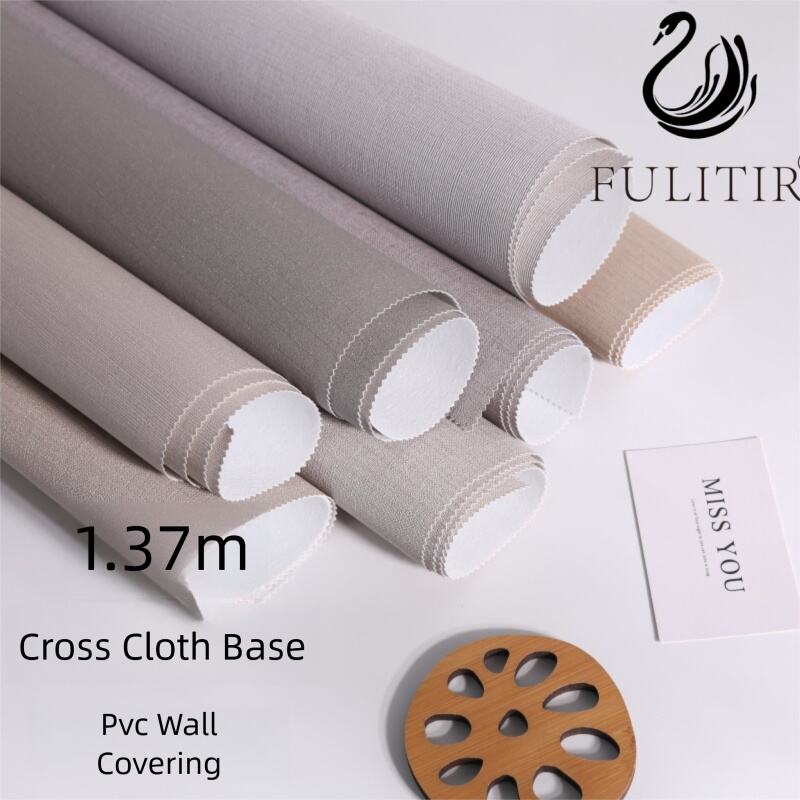
When embarking on large-scale interior design or industrial wall-covering projects, budget precision is as vital as material quality. Architects and contractors often seek a balance between durability and aesthetic appeal, leading many to the specialized category of heavy-duty synthetic coverings. Understanding the pricing structures for 15 oz PVC wall cloth requires looking beyond the simple sticker price and evaluating the technical specifications, manufacturing origins, and bulk procurement advantages that define the market. As a high-performance material designed for high-traffic environments, its cost per yard reflects its ability to withstand mechanical wear while providing a customizable surface for digital printing or textured embossing.
Technical Factors Influencing Material Pricing
The market value of 15 oz PVC wall cloth is primarily dictated by its material composition. Unlike standard lightweight wallpapers, this 15-ounce specification refers to the weight of the material per square yard (or sometimes per linear yard depending on the manufacturer), indicating a dense construction of polyvinyl chloride backed by a fabric or non-woven layer. This thickness provides essential benefits such as tear resistance and the ability to hide minor imperfections on the underlying wall surface. Because it is a petroleum-based product, the raw material costs of PVC resin and plasticizers play a significant role in the fluctuating price points seen throughout the fiscal year.
Beyond raw materials, the backing type significantly impacts the final quote. A "scrim" or woven fabric backing typically commands a higher price than a non-woven backing because it offers superior dimensional stability in environments subject to temperature fluctuations. Furthermore, specialized coatings—such as anti-mildew treatments, flame retardant additives (meeting ASTM E84 Class A standards), and UV-stabilizers—add incremental costs to the base price. Buyers should also consider that custom widths, which reduce waste on wide-span industrial walls, might involve a premium compared to standard 54-inch or 137-centimeter rolls.
| Cost Component | Typical Price Impact | Purpose/Benefit |
| Base Material (15 oz) | $6.50 – $12.00 per yard | Foundational weight for durability and opacity |
| Flame Retardant Coating | +$1.00 – $2.50 per yard | Essential for commercial building code compliance |
| Custom Digital Printing | +$5.00 – $15.00 per yard | Allows for bespoke branding and large-scale murals |
| Anti-Microbial Treatment | +$0.75 – $1.50 per yard | Necessary for healthcare and hospitality applications |
| Bulk Discount (100+ yards) | -10% to -25% | Encourages large-scale commercial procurement |
Application Scenarios and Value Analysis
When evaluating whether the cost of 15 oz PVC wall cloth is justified for a specific project, one must consider the intended application. This material is the industry standard for hospitality corridors, healthcare facilities, and corporate lobbies where standard paint or light-duty paper would fail within months. The long-term value is found in its "scrubbability." Because the PVC surface is non-porous, it can be cleaned with industrial detergents without degrading the color or texture, effectively extending the replacement cycle from three years to over ten years. This longevity makes the initial higher cost per yard significantly more economical than cheaper alternatives over the life of the building.
In industrial settings, such as manufacturing plant offices or modular housing, this wall cloth acts as a protective barrier. Its impact resistance prevents gouges from equipment or furniture movement, a common issue in high-utility zones. While a residential user might find the cost high for a single bedroom, a commercial facility manager views the 15 oz PVC wall cloth as a capital investment in facility maintenance reduction. The ability to apply high-resolution digital graphics directly onto the 15 oz surface also eliminates the need for secondary signage or framed art, allowing the wall covering to serve both a protective and a communicative function simultaneously.
Logistics, Tariffs, and Procurement Strategy
Global supply chain dynamics are perhaps the most volatile variable in the pricing of industrial textiles. For North American or European buyers, importing PVC-based coverings from major manufacturing hubs in Asia can lower the unit price significantly, but these savings are often offset by international freight costs and import tariffs. Shipping a heavy roll of wall cloth is expensive due to its weight and the need for protective horizontal crating to prevent "pressure flatting" of the material. Consequently, many contractors find that local distributors, while having a higher per-yard markup, offer better total project value by reducing lead times and shipping risks.
To secure the most competitive pricing, professional buyers should utilize "project bidding" strategies. Manufacturers are often willing to provide significant rebates for "spec-in" projects where the material is written into the architectural plans by name. Additionally, purchasing in full "master rolls"—which can range from 30 to 100 yards—is always more cost-effective than requesting "cut yardage." Cut yardage usually incurs a "broken box" fee or a higher per-yard rate to compensate the supplier for the labor and the potential for unsellable remnants. For those managing multi-site rollouts, such as hotel chains, negotiating a national contract can lock in prices for 12 to 24 months, shielding the project from sudden spikes in chemical or energy costs.
Frequently Asked Questions
What is the difference between linear yard and square yard pricing?
In the wall covering industry, prices are most commonly quoted by the linear yard. For 15 oz PVC wall cloth, a linear yard usually refers to a piece that is 36 inches long by the standard width of the roll (typically 54 inches). It is crucial to clarify which unit is being used in a quote, as square yard pricing can appear much lower but requires more units to cover the same wall area. Always calculate your total square footage and convert it based on the specific roll width to avoid under-ordering.
Does 15 oz PVC wall cloth require a specific type of adhesive?
Yes, due to the weight and non-breathable nature of PVC, a heavy-duty, clay-based adhesive is generally recommended. These adhesives provide a high "wet tack" to hold the heavy sheets in place while they dry. Using a standard lightweight wallpaper paste will likely result in the material peeling or bubbling. The cost of this specialized adhesive should be factored into your overall installation budget, typically adding about $0.50 to $1.00 per yard to the total project cost.
Is this material environmentally friendly or recyclable?
While traditional PVC has faced scrutiny, many modern 15 oz wall cloths are now manufactured to be "low-VOC" and are Phthalate-free, meeting indoor air quality standards like FloorScore or GreenGuard Gold. Some manufacturers also offer take-back programs where used wall cloth can be recycled into industrial flooring or garden hoses. If sustainability is a project requirement, look for "Type II" vinyls that specify a recycled content percentage in the backing or the base resin.
Can I install 15 oz PVC wall cloth over existing wallpaper?
It is strongly discouraged. The weight of the 15 oz material puts significant stress on the underlying layers. If the old wallpaper or its adhesive fails, the new, expensive PVC cloth will come down with it. Furthermore, PVC acts as a vapor barrier; if moisture is trapped between the old paper and the new cloth, it can lead to mold growth that remains hidden until it becomes a health hazard. For the best results and to protect your investment, always strip the walls down to the substrate and apply a high-quality primer-sealer before installation.