Choosing the right finishing materials for your interior spaces involves understanding how different products perform across various room types and functions. Wall fabric has emerged as a versatile solution that transforms both aesthetics and acoustic properties, making it an increasingly popular choice for residential and commercial applications. The question is not whether wall fabric works, but rather which spaces benefit most from its unique combination of visual appeal, durability, and functional advantages.
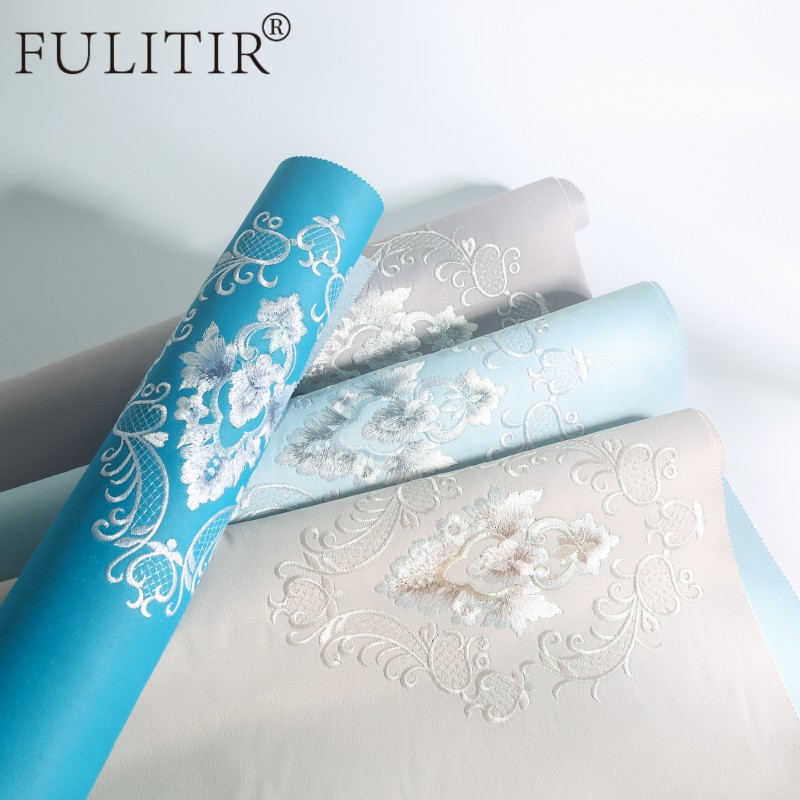
Understanding which room types benefit from wall fabric requires examining both practical performance metrics and design objectives. Bedrooms, home offices, media rooms, and hospitality spaces represent the strongest applications where fabric wall covering delivers measurable returns on investment. Different room functions create different demands on wall surfaces, and acoustic wall fabric addresses multiple concerns simultaneously, from sound management to aesthetic elevation.
Bedrooms represent one of the most compelling applications for fabric wall covering due to their specific environmental requirements. Sound insulation becomes critical in bedrooms, particularly in multi-story homes or shared living situations where external noise disrupts sleep quality. A decorative wall fabric absorbs ambient sound more effectively than conventional painted drywall, creating a quieter, more restful environment. The soft aesthetic of fabric also contributes to a calming atmosphere, which directly supports the primary function of the bedroom space. Additionally, fabric wall covering resists showing dust and minor imperfections better than paint, requiring less frequent maintenance while maintaining visual appeal.
Guest bedrooms benefit particularly from fabric solutions because they receive less frequent use but must maintain a polished appearance for visitors. The durability of quality fabric wall covering ensures that these occasional-use spaces remain visually impressive without demanding constant attention. Temperature regulation and humidity management also improve with fabric applications, as the fibrous structure helps moderate moisture and create a more comfortable microclimate compared to hard wall finishes.
Home offices and dedicated study spaces gain significant performance advantages from acoustic wall fabric, especially as remote work becomes increasingly common. Sound absorption reduces echo and background noise, improving focus and reducing fatigue during extended work sessions. A decorative wall fabric in professional tones enhances the visual environment without creating visual distraction, supporting concentration and productivity. The fabric absorbs voice vibrations and mechanical sounds from keyboards or equipment, creating an environment conducive to video calls and virtual meetings. Many professionals find that offices finished with quality fabric wall covering feel more sophisticated and conducive to important work than standard painted environments.
Hospitality spaces represent a major beneficiary of fabric wall covering technologies, where both guests and operators value acoustic performance and visual presentation. Guest rooms in hotels and resorts must create welcoming, comfortable environments while managing sound transmission between adjacent spaces. Acoustic wall fabric significantly reduces noise from hallways, neighboring rooms, and mechanical systems, directly improving guest satisfaction and reducing noise complaints. A decorative wall fabric also elevates the perceived quality and luxury of the space, allowing property managers to justify premium pricing while reducing maintenance costs associated with paint scuffs and wall damage. The durability and cleanability of commercial-grade fabric wall covering means hospitality applications maintain their appearance through thousands of guest rotations.
Conference rooms and lobbies in hospitality settings similarly benefit from fabric applications that combine professional aesthetics with functional acoustic properties. Meeting spaces require sound control to prevent audio leakage between confidential conversations, and the visual warmth of fabric wall covering creates a more welcoming atmosphere than institutional-style hard wall finishes.
Modern office environments increasingly adopt acoustic wall fabric to support open-plan layouts while managing noise challenges. These corporate spaces face unique acoustic demands where multiple conversations, equipment operations, and ambient sounds create fatiguing environments. Fabric wall covering installed strategically across office perimeters and interior partitions absorbs sound energy, reducing the reverberation and ambient noise levels that compromise productivity and employee well-being. The visual consistency of quality fabric wall covering also projects a professional, curated aesthetic that institutional paint finishes cannot match.
Media rooms, home theaters, and entertainment spaces represent premium applications where acoustic wall fabric delivers both artistic and functional results. These dedicated spaces require sophisticated sound management to optimize audio performance and prevent sound transmission to adjacent areas. Acoustic wall fabric designed for these applications absorbs unwanted reflections while supporting speaker placement flexibility. A decorative wall fabric in media rooms also creates a theater-like ambiance that enhances the entertainment experience while the acoustic properties ensure that audio clarity matches the quality of professional equipment investments.
Retail environments benefit from decorative wall fabric that creates compelling visual displays while managing ambient noise from customer traffic and background music systems. Healthcare facilities gain particular advantage from acoustic wall fabric in waiting areas, treatment rooms, and recovery spaces where patient comfort and privacy depend on sound control. Educational institutions increasingly specify fabric wall covering in classrooms and administrative areas to improve speech intelligibility while creating more visually professional environments than standard institutional finishes. The hygiene properties of modern fabric treatments make these applications practical and maintainable across diverse institutional settings.
Bedrooms, home offices, and hospitality guest rooms deliver the most immediate functional benefits from fabric wall covering because they require sound control, aesthetic sophistication, and durability simultaneously. These applications justify the investment through reduced noise complaints, improved productivity perception, and extended visual lifespan compared to paint-finished alternatives.
Quality acoustic wall fabric requires less frequent repainting and shows wear less visibly than standard paint, though it demands different maintenance approaches suited to fabric properties. Professional cleaning and spot treatment preserve fabric wall covering appearance across extended lifecycles, making long-term maintenance costs comparable to or lower than continuous paint maintenance and refresh cycles.
Standard fabric wall covering does not perform optimally in bathrooms due to moisture accumulation, though specially treated and sealed fabric wall covering products designed for humid environments exist. Most applications reserve fabric wall covering for spaces with controlled humidity levels, while moisture-resistant alternatives work better in bathrooms, kitchens, and laundry areas where water exposure occurs regularly.

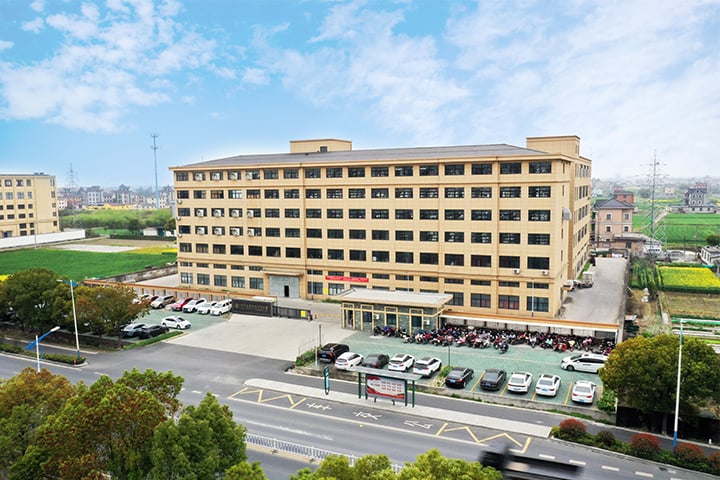
Hangzhou Meibi Decoration Material Co., Ltd. (FULITIR) delivers premium wallcoverings & soft decor solutions for luxury homes and chain hotels, trusted by Lavande, Vienna, Kyriad.
No.2001,Meilin Road,DangWan Town,XiaoShan district, HangZhou city,China
Copyright © 2026 Hangzhou Meibi Decoration Materials Co., Ltd. All rights reserved. Privacy Policy

 EN
EN
 Hot News