Choosing the right room for mural wallpaper can dramatically transform your interior space, but not every room offers equal potential for this bold design statement. A mural wallpaper works best in spaces where visual impact matters and where environmental conditions support longevity. Understanding room-specific factors helps you maximize aesthetic appeal while ensuring practical durability and maintenance.

Different rooms present unique opportunities and challenges for wall mural designs. High-traffic spaces require durable materials, while low-moisture environments allow for broader design flexibility. The right placement strategy ensures your investment delivers lasting visual interest and maintains structural integrity over time.
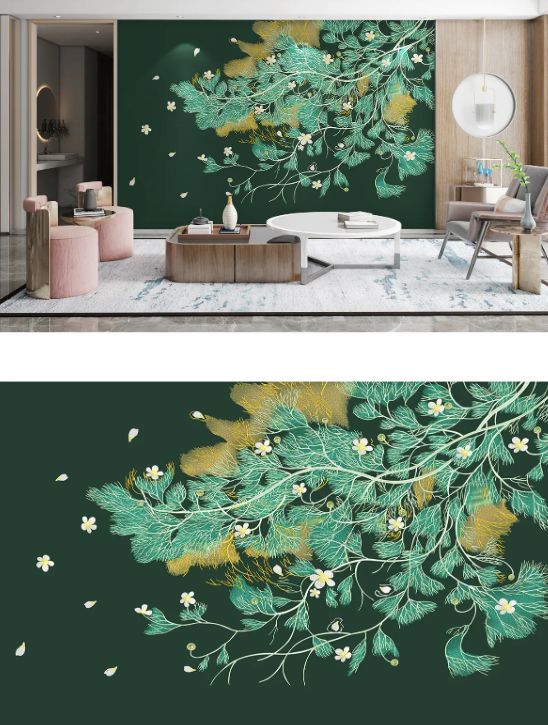
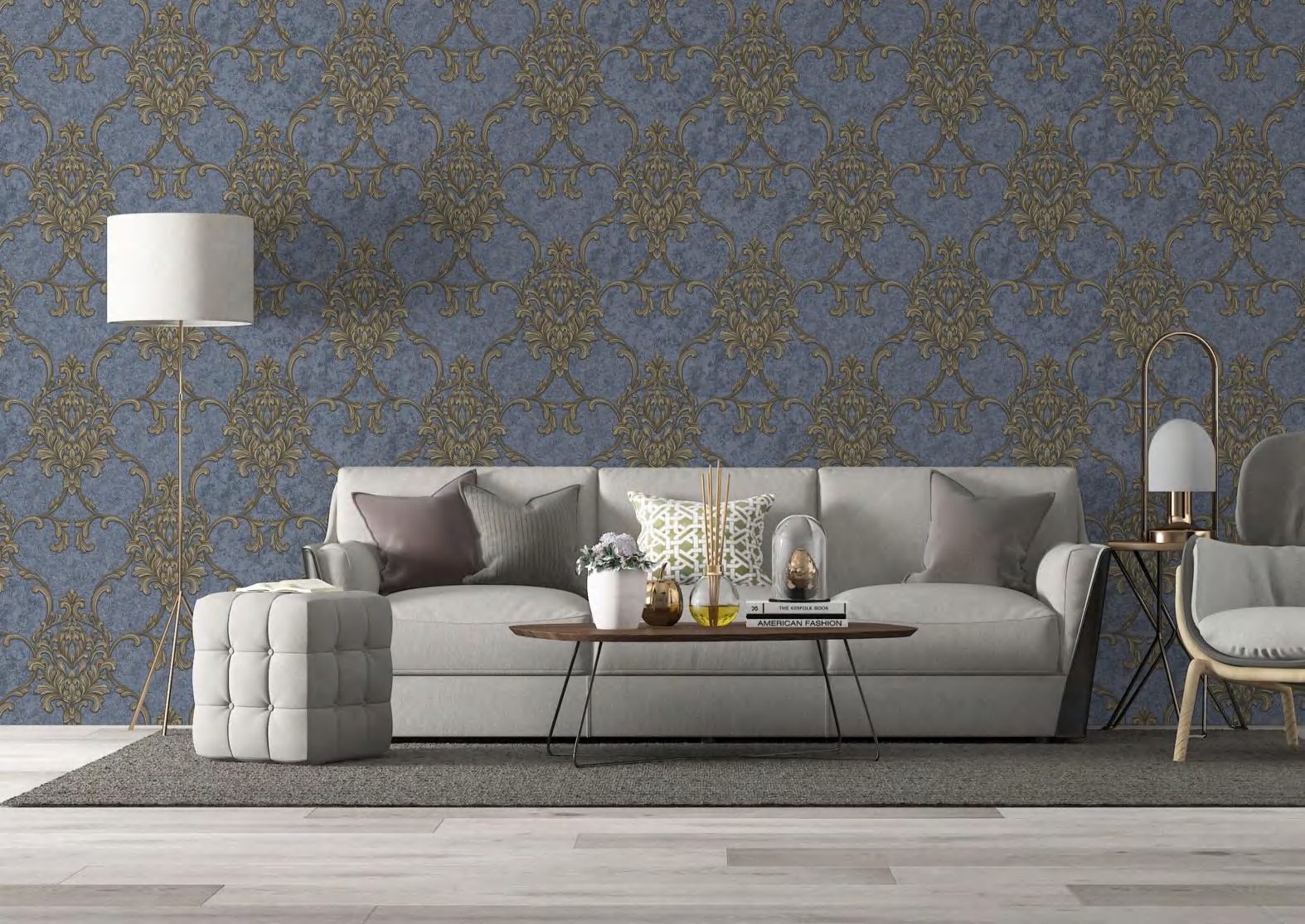
Living rooms represent the ideal environment for showcasing wall mural designs because they receive regular attention from residents and guests alike. This central gathering space benefits from a focal-point mural that becomes a conversation starter and establishes the room's aesthetic direction. Custom wall murals in living areas can span entire walls or create accent features that define furniture arrangement and traffic flow.
The relatively stable humidity levels and moderate foot traffic in most living rooms make them suitable for various mural wallpaper finishes and installation methods. Peel and stick murals work particularly well here since they can be applied to clean, smooth surfaces without special preparation. Light exposure in living rooms is typically consistent and controlled, preventing premature fading of intricate wall mural designs.
Living rooms accommodate diverse design aesthetics, from abstract modern compositions to photorealistic landscapes. Wall mural designs can coordinate with existing furniture, artwork, and architectural features to create cohesive interiors. The open layout of most living spaces allows custom wall murals to make a substantial visual impact without overwhelming the environment.
Peel and stick murals offer flexibility for homeowners who want to refresh their living room design seasonally or change aesthetics without permanent commitment. This adaptability makes living spaces perfect for experimenting with bold mural wallpaper styles before investing in permanent installations.
Bedrooms provide personal sanctuaries where mural wallpaper creates intimate, restorative atmospheres tailored to individual preferences. Unlike shared living spaces, bedroom murals can reflect deeply personal interests, travel memories, or aspirational landscapes without requiring broad appeal. Wall mural designs in bedrooms often focus on calming imagery, nature scenes, or soft color palettes that promote relaxation.
The controlled environment of a typical bedroom—with moderate temperature fluctuations and lower humidity than bathrooms—supports excellent mural wallpaper longevity. Peel and stick murals are especially popular in bedrooms because they avoid permanent wall commitment and permit easy updates when design preferences evolve.
Bedrooms typically have minimal water exposure and low moisture levels, eliminating moisture-related durability concerns that affect other rooms. Custom wall murals in bedrooms can feature delicate details and intricate designs without worry about humidity damage or condensation issues. The relatively enclosed nature of bedrooms also means dust accumulation on mural wallpaper is minimal compared to open-concept or high-traffic areas.
The bedroom's calm activity level reduces wear on wall mural designs, extending their visual appeal indefinitely. Low foot traffic and minimal physical contact with walls preserve the finish quality of both peel and stick murals and traditional wallpaper installations.
Entryways and hallways benefit dramatically from strategic placement of mural wallpaper because these transitional zones set the tone for entire homes. A striking wall mural design in an entry creates immediate visual impact and signals the interior design direction to visitors. Hallways often function as connective tissue between rooms, making them ideal for dramatic or thematic custom wall murals that tell a cohesive design story.
These circulation spaces allow peel and stick murals to shine as practical solutions for transforming narrow or overlooked areas. Wall mural designs in hallways and entries receive sustained daily exposure, making them excellent locations for showcasing bold artwork or inspiring imagery that energizes movement through your home.
High-traffic corridors and entryways demand mural wallpaper with superior durability and scuff resistance. Peel and stick murals in these locations should feature robust adhesive backing and washable surfaces to withstand frequent contact and potential impacts. Custom wall murals in hallways benefit from finishes that resist dust accumulation and fingerprints in areas where family members pass daily.
Lighting patterns in entryways and hallways vary throughout the day, so wall mural designs should incorporate colors and imagery that perform well under diverse illumination conditions. Quality mural wallpaper in these spaces prevents fading and maintains visual vibrancy despite exposure variations that other rooms typically avoid.
Peel and stick murals face challenges in kitchens and bathrooms due to high humidity, temperature fluctuations, and moisture exposure. While specialized peel and stick murals with enhanced water-resistance exist, these spaces require careful material selection and may benefit more from vinyl wallpaper or other moisture-resistant alternatives. Custom wall murals designed specifically for wet environments use different adhesive formulations and protective finishes than standard mural wallpaper.
Custom wall murals offer personalization reflecting your specific vision, dimensions, and design preferences, while pre-designed wall mural designs provide cost savings and immediate availability. Custom options suit feature walls where maximum visual impact justifies investment, whereas standard peel and stick murals work well for testing design concepts or refreshing secondary spaces. The room's size, lighting, and intended visual emphasis should guide your selection between these approaches.
Most rooms require clean, dry, smooth wall surfaces free from dust, loose paint, and debris before applying peel and stick murals or traditional mural wallpaper. Textured walls may need primer or smoothing depending on your specific wall mural designs and installation method. Measuring accuracy ensures custom wall murals fit properly and align with architectural features like doors, windows, and trim for professional results.

Hangzhou Meibi Decoration Material Co., Ltd. (FULITIR) delivers premium wallcoverings & soft decor solutions for luxury homes and chain hotels, trusted by Lavande, Vienna, Kyriad.
No.2001,Meilin Road,DangWan Town,XiaoShan district, HangZhou city,China
Copyright © 2026 Hangzhou Meibi Decoration Materials Co., Ltd. All rights reserved. Privacy Policy

 EN
EN
 Hot News