Wall fabric has become a preferred choice for homeowners seeking to elevate interior spaces with sophistication and functionality. Unlike traditional paint or standard wallpaper, wall fabric offers a unique combination of aesthetic appeal, durability, and practical benefits that address multiple design and comfort priorities. Whether you are renovating a single room or redesigning your entire home, understanding why wall fabric stands out as an ideal solution reveals both immediate visual impact and long-term value.
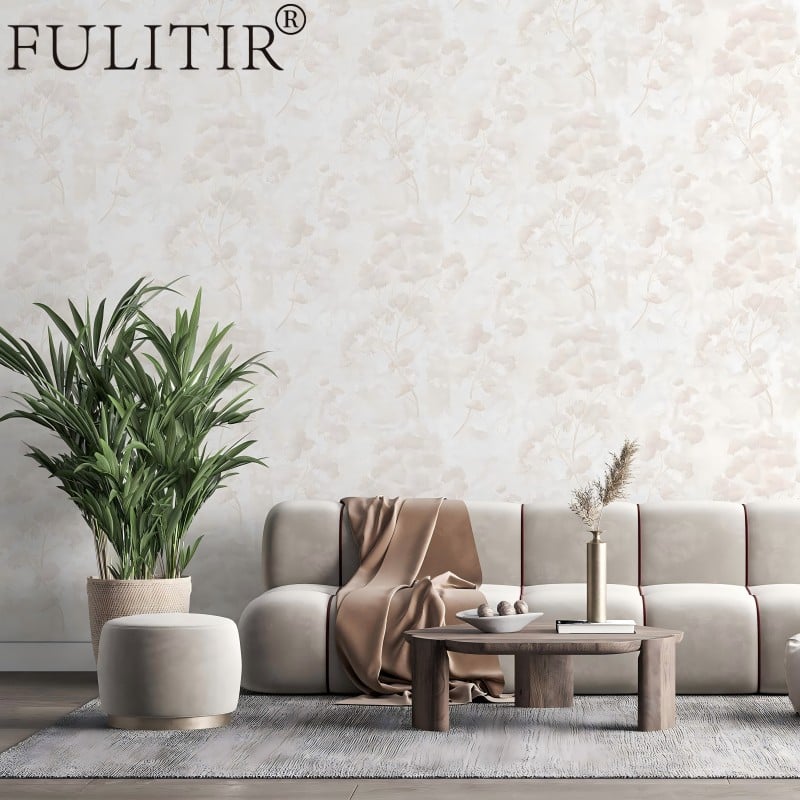
The appeal of wall fabric extends beyond mere appearance. When you choose a fabric wall covering, you gain access to textures, finishes, and color depths that flat paint cannot replicate. Decorative wall fabric responds to light differently, creating dynamic visual interest that changes throughout the day. This quality makes spaces feel more refined and professionally designed, while also providing practical advantages such as improved acoustics and enhanced wall protection that homeowners increasingly value.
Wall fabric creates immediate visual impact through its inherent texture and dimensional quality. A fabric wall covering captures and reflects light in ways that paint or vinyl wallpaper cannot, producing subtle variations that add sophistication to any room. The surface depth of decorative wall fabric creates a layered appearance, making walls feel less flat and more intentional. This visual richness becomes especially pronounced in living rooms, bedrooms, and formal spaces where ambiance matters as much as function.
Unlike painted walls that fade and require frequent touch-ups, wall fabric maintains color intensity and tonal consistency over extended periods. Fabric wall coverings resist UV fading better than most paint formulations, particularly in rooms with significant natural light. This longevity means your design investment protects itself, reducing the need for costly repainting cycles. Decorative wall fabric also hides minor wall imperfections more effectively than paint, eliminating the need for extensive surface preparation and patching before application.
Acoustic wall fabric addresses a growing concern in modern homes: excessive noise and sound reverberation. Unlike hard surfaces that amplify sound, fabric wall coverings absorb acoustic energy, reducing echo and creating quieter, more comfortable interior environments. This acoustic wall fabric quality proves especially valuable in open-plan living areas, home offices, and bedrooms where sound control directly impacts daily comfort and productivity. The fabric's porous structure naturally dampens airborne noise, creating a more serene atmosphere without requiring additional soundproofing measures.
When sound waves encounter acoustic wall fabric, the material's fibrous composition disperses energy rather than reflecting it back into the room. This characteristic transforms how rooms sound, making conversations clearer and reducing the harsh acoustics associated with hard-surfaced interiors. Fabric wall covering installation across multiple walls multiplies these acoustic benefits, creating progressively more pleasant listening environments. Homeowners report noticeable improvements in room ambiance and reduced fatigue in acoustically treated spaces.
Wall fabric serves as a protective layer for underlying drywall and plaster, shielding surfaces from daily wear, scuffs, and minor impacts. Decorative wall fabric effectively prevents damage from furniture movement, pet claws, and accidental contact that would otherwise mark painted walls. This protective function extends wall life and maintains interior appearance over years of normal household use. The fabric's dense weave resists staining better than paint, and many fabric wall coverings include treatments that enhance soil resistance and durability.
Contrary to assumptions about fabric maintenance, modern wall fabric products offer straightforward care routines. Light vacuuming with an upholstery brush attachment removes dust without damaging the material. Fabric wall covering treated with anti-fouling finishes resists staining and allows spot cleaning with mild solutions, making everyday maintenance manageable for busy households. This practical durability advantage makes acoustic wall fabric particularly suitable for high-traffic family spaces where durability concerns often drive design decisions. Unlike painted surfaces that require full repainting to address marks or discoloration, fabric wall coverings maintain appearance through simple maintenance protocols.
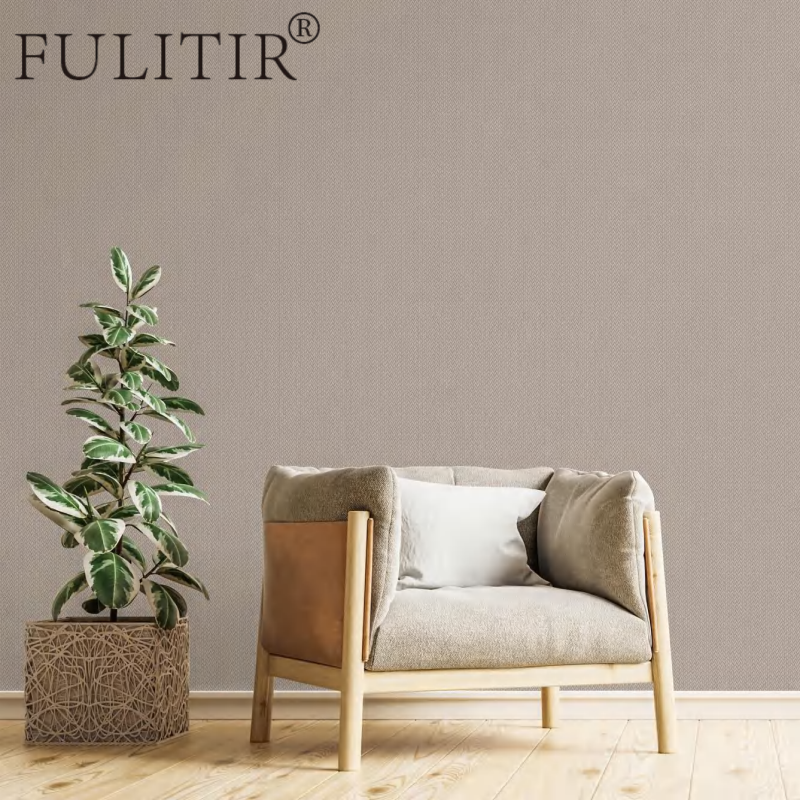
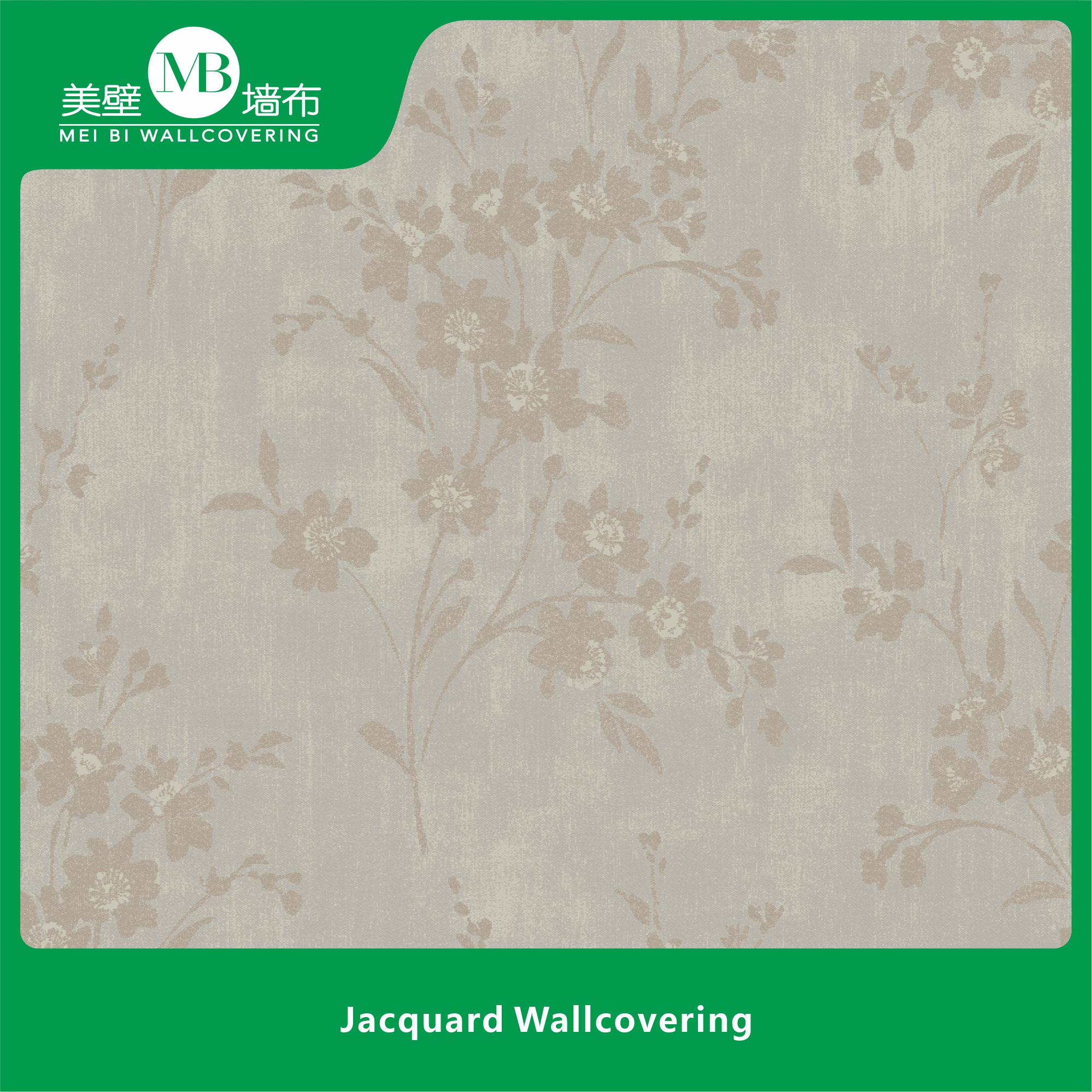
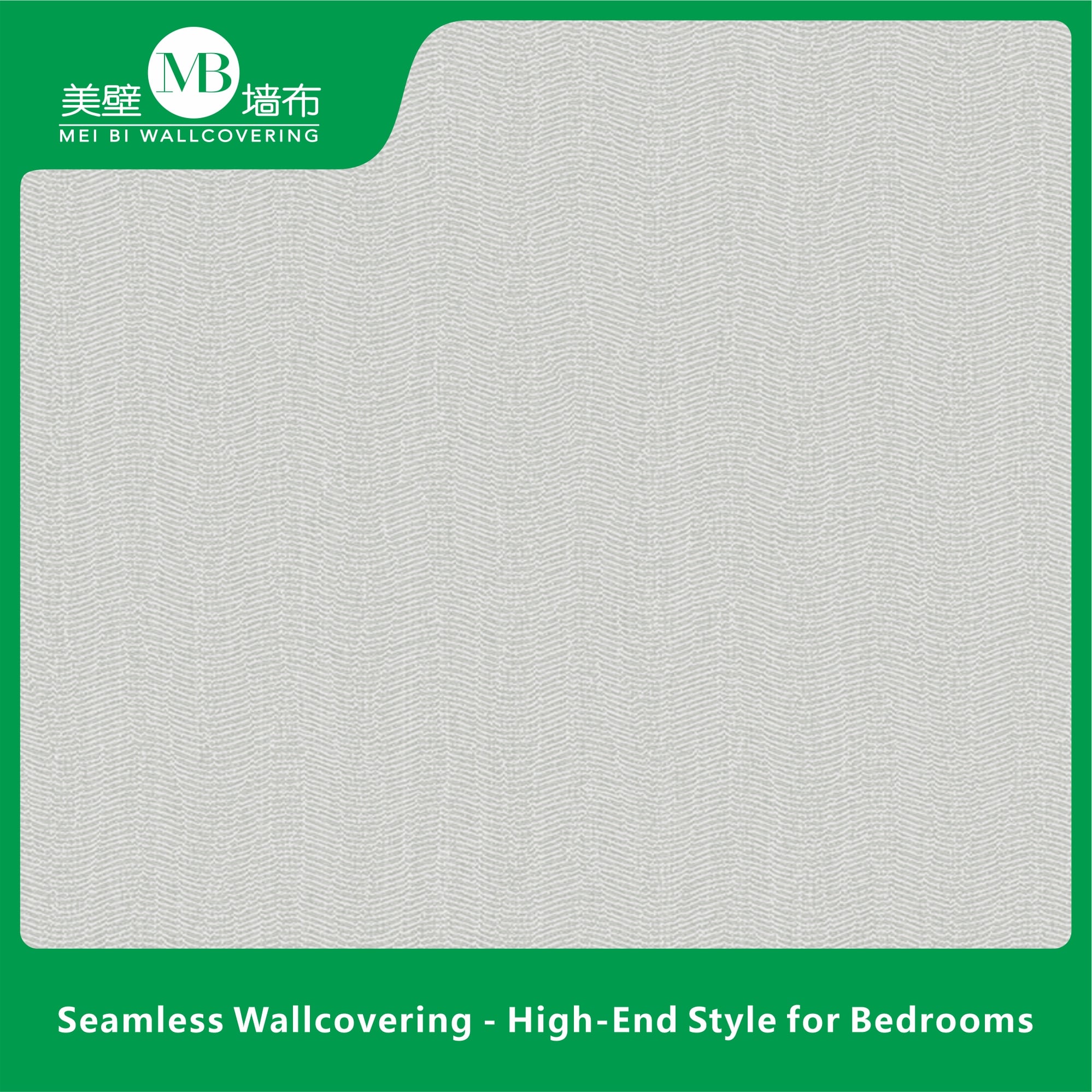
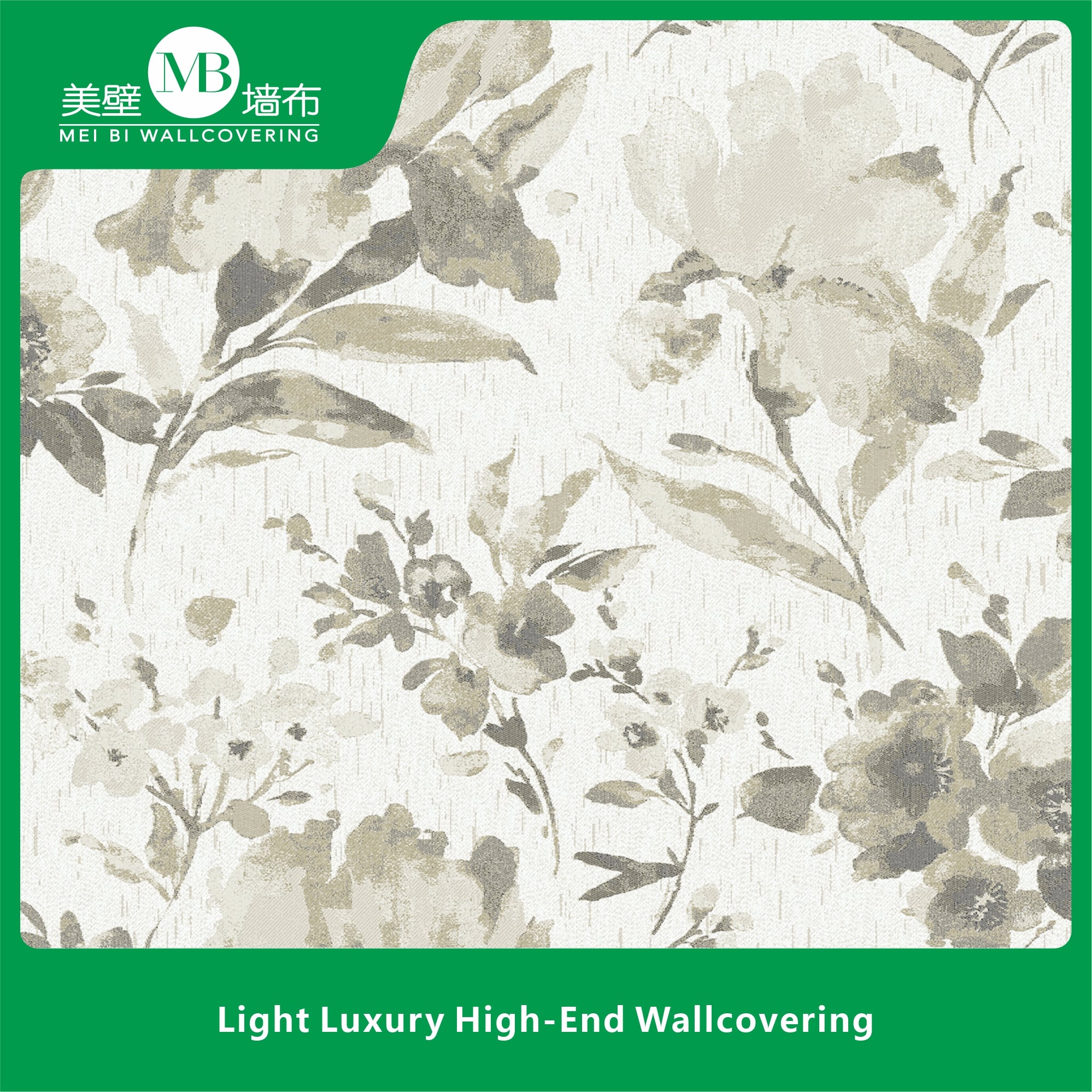
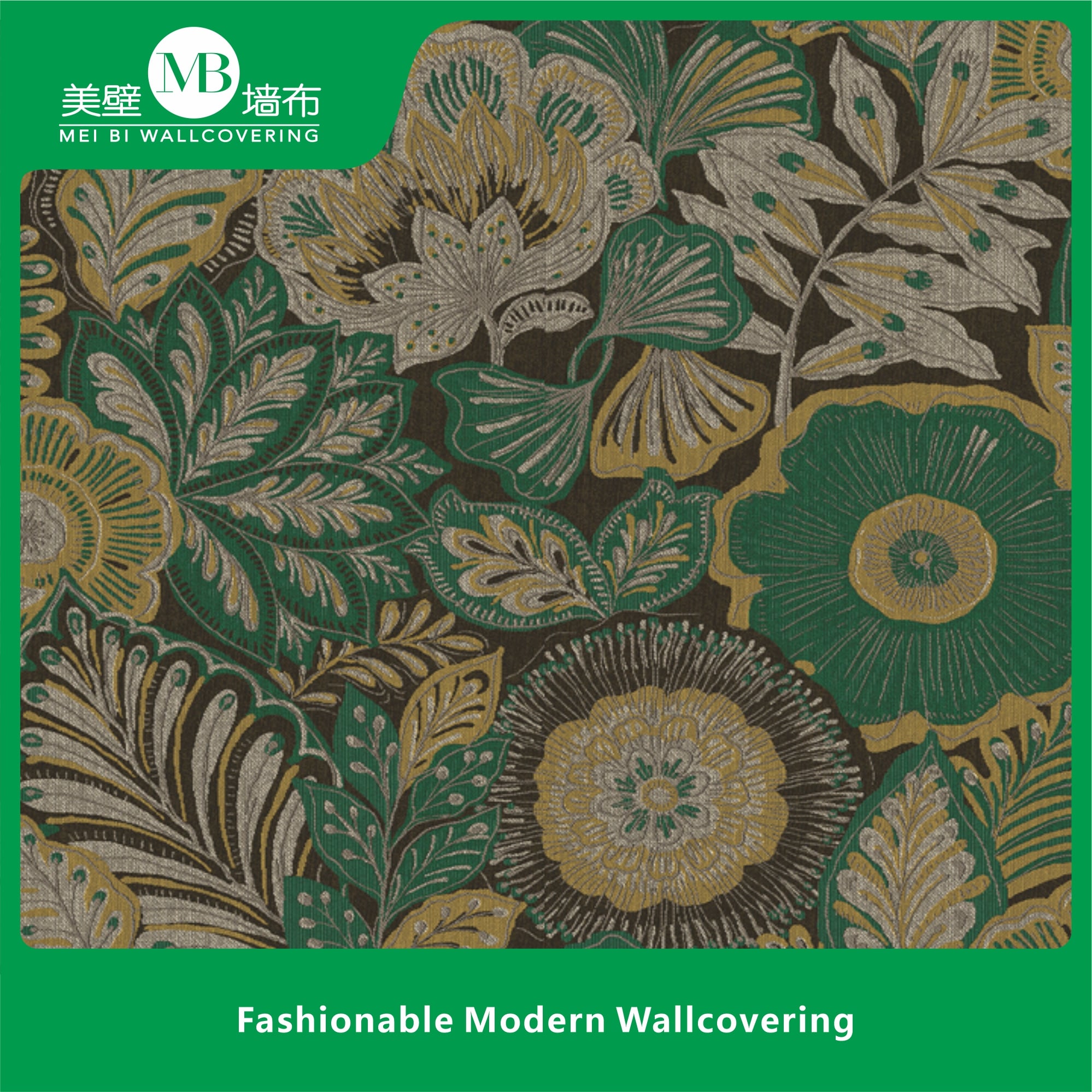
Wall fabric adapts seamlessly to virtually every interior space, from formal dining rooms to casual family areas. Decorative wall fabric options include palettes ranging from neutral tones that complement minimalist aesthetics to bold patterns suited for dramatic statement walls. This versatility means a single material solution serves multiple design objectives throughout a home. Fabric wall covering comes in textures from smooth linen-inspired finishes to pronounced woven patterns, allowing homeowners to customize the look and feel of each room according to its purpose and desired ambiance.
Wall fabric installations create lasting design statements while remaining removable if future renovations demand different aesthetics. The quality of modern fabric wall coverings means your investment remains stable for years without degradation or pattern fading. When ready for design updates, removing acoustic wall fabric and applying fresh fabric wall covering refreshes spaces efficiently without extensive wall preparation. This balance between permanence and flexibility makes wall fabric an intelligent choice for homeowners planning long-term interior investments while maintaining design flexibility.
Wall fabric typically costs more upfront than basic paint but often delivers superior value through durability, acoustic benefits, and aesthetic longevity. While decorative wall fabric represents a larger initial investment, the reduced maintenance needs, extended lifespan without repainting, and enhanced room functionality often justify the difference. Comparing total cost over ten years rather than initial price alone reveals how fabric wall covering becomes a cost-effective choice for quality-focused homeowners.
Most standard fabric wall coverings are not recommended for bathrooms or high-moisture environments due to potential mold and mildew concerns. However, specialized moisture-resistant fabric wall covering options designed specifically for humid spaces do exist. For bathrooms and kitchens, consulting product specifications ensures you select appropriate solutions. Decorative wall fabric works best in living areas, bedrooms, and offices where moisture exposure remains minimal and humidity levels stay controlled.
Installing fabric wall covering requires similar preparation to wallpaper application but often demands professional expertise due to the material's weight and handling requirements. The process typically involves sizing walls, adhering fabric with appropriate adhesive, and precisely trimming edges. While DIY installation is possible, professional installation ensures proper tension, seamless seaming, and optimal acoustic performance from your wall fabric. Many installers recommend professional application to maximize the investment and achieve flawless results.

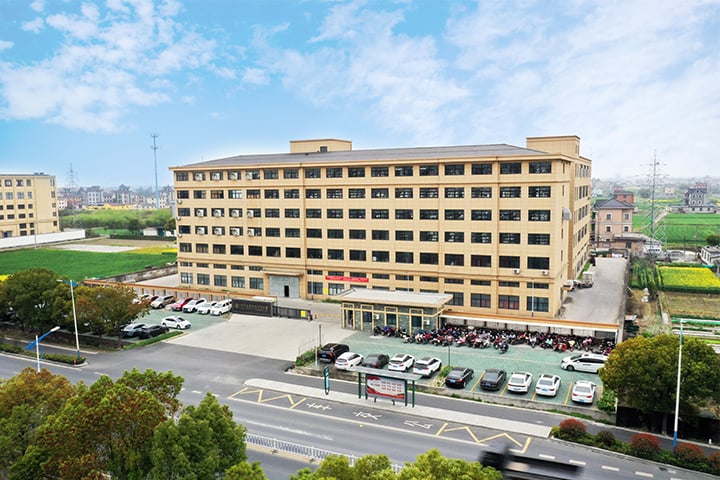
Hangzhou Meibi Decoration Material Co., Ltd. (FULITIR) delivers premium wallcoverings & soft decor solutions for luxury homes and chain hotels, trusted by Lavande, Vienna, Kyriad.
No.2001,Meilin Road,DangWan Town,XiaoShan district, HangZhou city,China
Copyright © 2026 Hangzhou Meibi Decoration Materials Co., Ltd. All rights reserved. Privacy Policy

 EN
EN
 Hot News