
 EN
EN
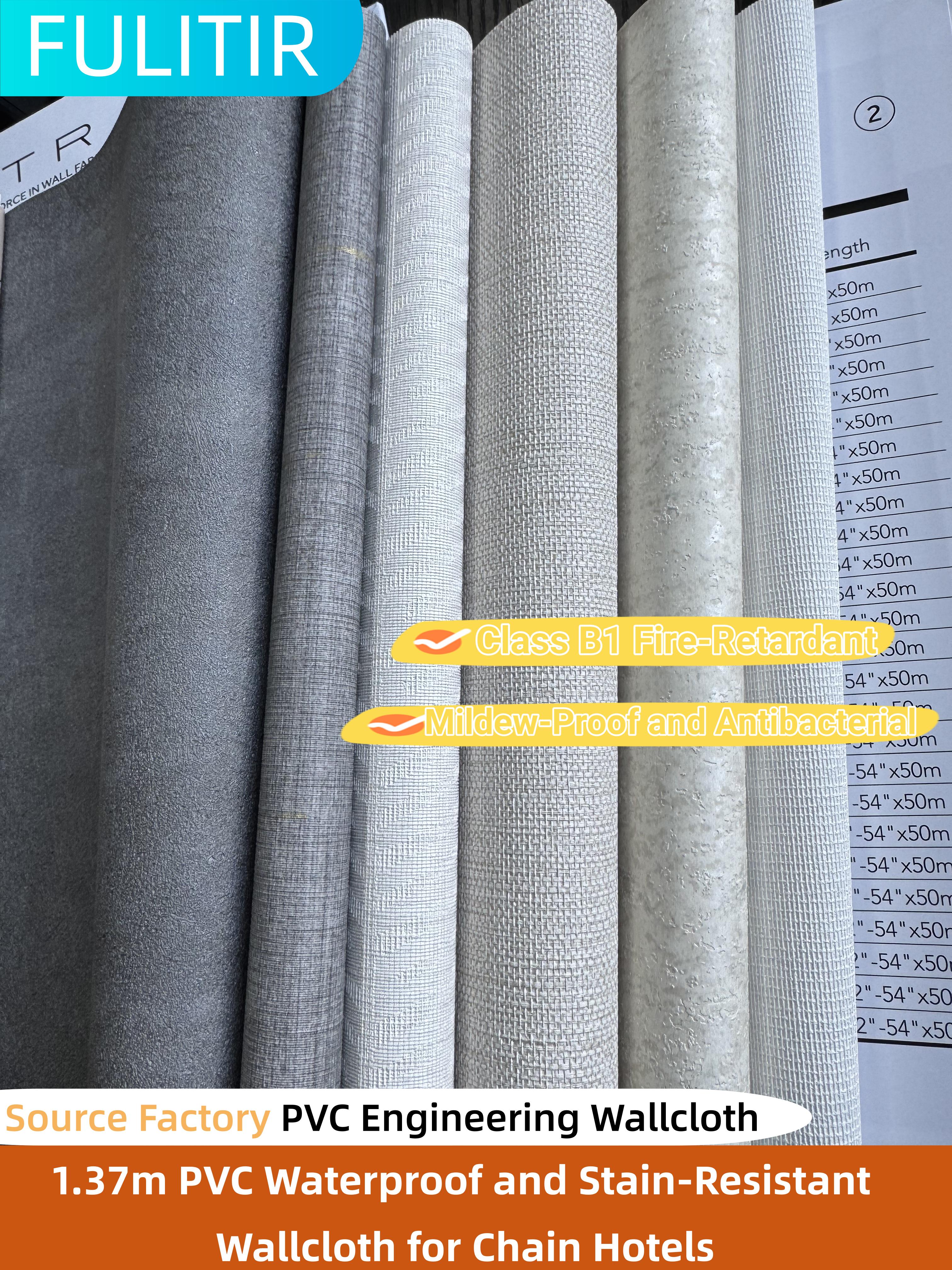
Hotel corridors endure constant foot traffic, frequent cleaning, and exposure to varied environmental conditions that quickly degrade conventional wall finishes. PVC wall covering has become the industry standard in hospitality design precisely because it addresses these challenges with proven performance. Understanding why hotels choose PVC wall covering for their corridors reveals the practical, financial, and operational advantages that make this material the preferred solution for modern hospitality environments.
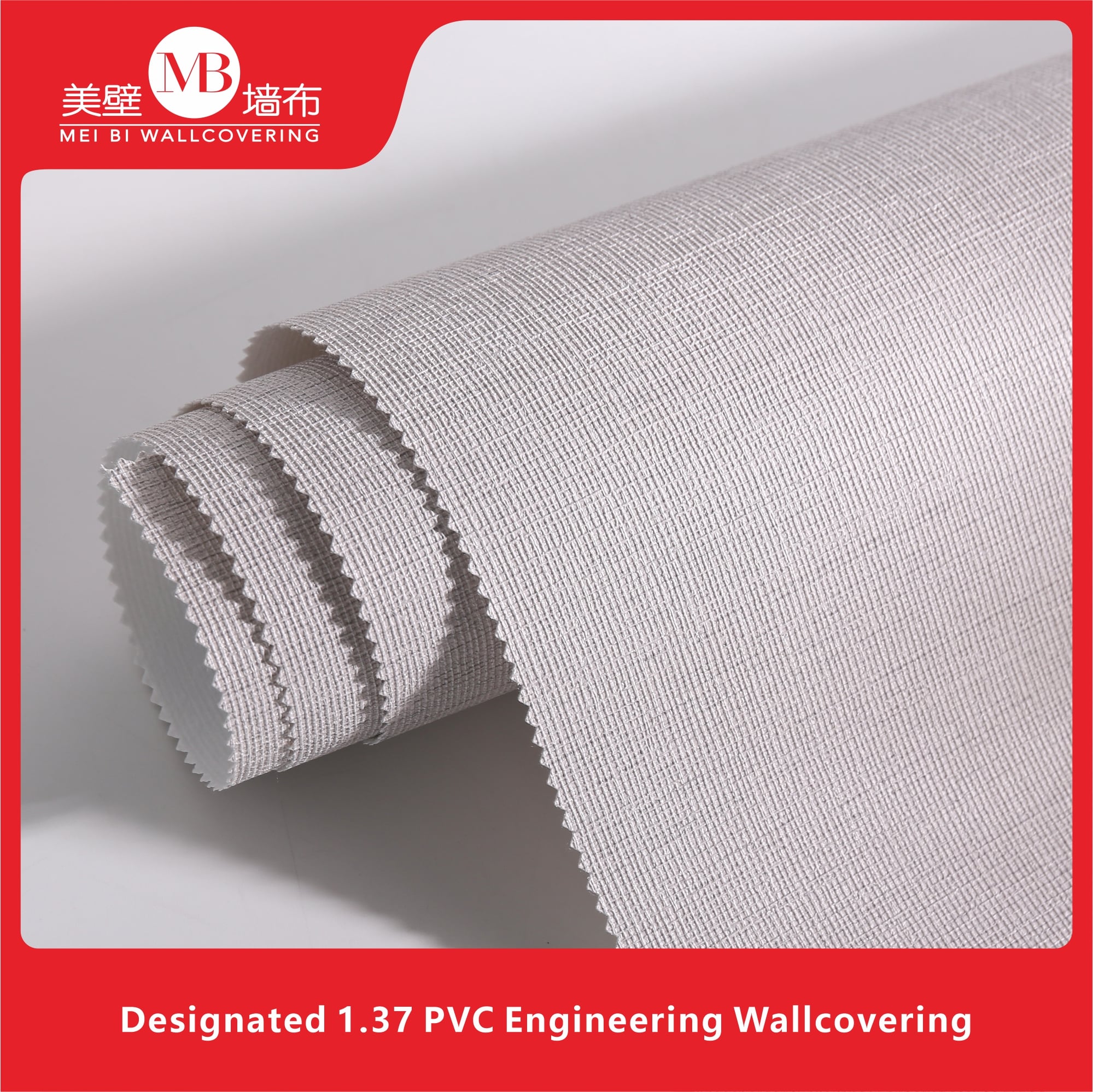
Every decision to install PVC wall covering in hotel corridors reflects a strategic choice by property managers and designers who recognize that corridor aesthetics directly impact guest perception. When guests move through hallways to their rooms, they form impressions about hotel quality based on wall condition, cleanliness, and visual appeal. PVC wall covering maintains that first impression while withstanding the rigorous demands of hospitality environments, making it an investment that protects both brand reputation and operational budgets.
Durability and Performance Requirements in Hotel Corridors
Withstanding High-Traffic Conditions
Hotel corridors represent some of the most heavily trafficked spaces in any commercial building. Housekeeping carts, luggage wheels, guest movement, and maintenance equipment create constant contact with wall surfaces. PVC wall covering provides a protective barrier that resists scuffing, denting, and damage from these daily impacts. Traditional painted drywall or standard wallpaper would show visible wear within weeks, while PVC wall covering maintains its appearance through years of intensive use. This durability directly translates to fewer repairs, touch-ups, and eventual replacement cycles, reducing long-term maintenance costs significantly.
Chemical Resistance and Cleaning Compatibility
Hospitality cleaning protocols involve aggressive chemical cleaners, disinfectants, and frequent moisture exposure that would quickly degrade conventional wall finishes. PVC wall covering withstands these harsh cleaning agents without degrading, staining, or losing adhesion. Housekeeping staff can scrub walls thoroughly to maintain hygiene standards, particularly important in modern hotel operations focused on health and sanitation. The chemical resistance of PVC wall covering means that even strong disinfectants used to prevent pathogen transmission will not compromise the wall's structural integrity or appearance. This compatibility with rigorous cleaning regimens makes PVC wall covering the logical choice for environments where sanitization protocols are non-negotiable.
Fire Safety and Building Code Compliance
Meeting Strict Hospitality Fire Regulations
Building codes for hotels and hospitality facilities impose strict fire safety requirements that exceed those of standard commercial spaces. Corridors serve as primary evacuation routes, making their fire performance properties legally critical. PVC wall covering formulated specifically for hospitality applications includes fire-retardant treatments that meet or exceed Class A fire ratings and smoke development standards required by building codes. Hotel owners and property managers must ensure all wall surfaces comply with these regulations, and PVC wall covering designed for commercial hospitality environments delivers this compliance reliably. Using substandard materials could expose properties to liability, insurance complications, and regulatory violations that far exceed the initial savings.
Protecting Guests and Meeting Insurance Requirements
Insurance carriers for hospitality properties often mandate specific fire safety standards for wall coverings in corridors and other common areas. PVC wall covering that meets fire-retardant specifications helps properties maintain favorable insurance terms and avoid coverage disputes. Beyond insurance considerations, the primary obligation is protecting guest safety during emergencies. Properly specified PVC wall covering limits fire spread, reduces toxic smoke generation, and maintains structural integrity longer during evacuation scenarios. Hotels cannot compromise on this requirement, making fire-compliant PVC wall covering non-negotiable rather than optional. The peace of mind that comes with knowing corridors meet fire safety standards represents significant value beyond the material cost itself.
Cost Efficiency and Long-Term Financial Benefits
Reducing Replacement Cycles and Maintenance Labor
The long lifespan of PVC wall covering compared to painted drywall or traditional wallpaper dramatically reduces replacement frequency. Where painted corridors might require repainting every two to three years due to visible wear, scuffing, and damage, quality PVC wall covering can maintain appearance and integrity for ten years or longer with proper maintenance. This extended service life means fewer disruptions to hotel operations, fewer labor hours spent on wall restoration, and substantially lower total cost of ownership. Hotel accounting departments recognize that PVC wall covering shifts from a commodity purchase to a capital investment with measurable returns through deferred replacement costs and reduced maintenance expenditure.
Operational Benefits and Aesthetic Consistency
Beyond raw durability metrics, PVC wall covering provides operational advantages that enhance hotel efficiency. The material maintains visual consistency across large corridor areas, creating the polished appearance that modern hotel guests expect. Color and texture stability means that adjacent wall sections maintain uniform appearance even as some areas receive more cleaning or guest contact than others. This consistency eliminates the patchwork appearance that develops when hotels attempt to maintain painted walls through selective touch-ups and repairs. When renovation time eventually arrives, hotels can replace large corridor sections systematically rather than addressing constant spot repairs. The psychological benefit of maintaining professional appearance contributes to positive guest reviews and repeat bookings, directly supporting revenue rather than just managing costs.
Design Flexibility and Aesthetic Appeal
Available Options for Hospitality Brand Expression
Modern PVC wall covering available for hospitality applications offers extensive design options that allow property designers to express brand identity through corridor aesthetics. Textures, colors, and patterns can enhance the guest experience and reinforce brand positioning, whether properties target luxury segments or focused service segments. Designers can specify PVC wall covering that complements carpet, flooring, and lighting to create cohesive environmental experiences. This design flexibility combined with the proven performance of PVC wall covering allows hotels to achieve both aesthetic goals and practical functionality simultaneously. Properties no longer face a choice between durability and appearance; they can specify materials that deliver both.
Easy Maintenance of Aesthetic Appearance
The visual appeal of PVC wall covering persists through normal hotel operations because the material resists the surface degradation that makes other wall finishes look tired and dated. Painted corridors develop visible wear patterns, dirt accumulation in surface irregularities, and color fading from cleaning and light exposure. PVC wall covering maintains the crisp, clean appearance that hotels project to guests because the material's surface properties resist these deterioration patterns. Guest perception studies consistently show that well-maintained corridor environments contribute significantly to overall hotel satisfaction ratings. The aesthetic durability of PVC wall covering means that properties maintain premium appearance without extraordinary maintenance efforts, supporting both guest satisfaction and staff efficiency.
FAQ
What specific fire rating requirements does PVC wall covering need for hotel corridors?
Hotel corridors typically require PVC wall covering rated Class A for flame spread and smoke development, with specific limits defined by building codes in the jurisdiction where the property operates. International Hotel and Restaurant Association guidelines and local fire codes specify these requirements. Properties must verify compliance with applicable codes before specifying any wall covering material. Manufacturers provide detailed testing documentation proving fire performance, and architects specify products that meet or exceed these requirements. Failure to meet fire ratings can result in building code violations, insurance complications, and safety liability that far exceed the cost of compliant materials.
How often does PVC wall covering need replacement in hotel corridors?
Quality PVC wall covering specified for hospitality applications typically maintains acceptable appearance and integrity for seven to twelve years with regular maintenance, substantially longer than painted drywall or traditional wallpaper. The actual service life depends on traffic intensity, cleaning protocols, environmental conditions, and maintenance quality. Hotel properties often coordinate corridor renovations with other refreshment cycles to optimize capital expenditure timing. Many hotels find that PVC wall covering lasts through multiple cleaning cycles and guest occupancy seasons before replacement becomes necessary. This extended lifespan justifies the initial investment and contributes significantly to the lower total cost of ownership compared to other wall finishing options.
Can PVC wall covering be installed over existing walls, or does it require special substrate preparation?
PVC wall covering can typically be installed over properly prepared existing walls, including painted drywall or existing wallpaper, provided the substrate is clean, smooth, and structurally sound. Hotel renovation projects often take advantage of this capability to minimize construction disruption and substrate replacement costs. However, damaged areas, significant moisture issues, or severely irregular substrates may require repair or re-preparation before installation. Professional installers assess existing conditions and determine preparation requirements specific to each project. Proper substrate preparation ensures long-term adhesion and performance of PVC wall covering, making this a critical step in successful installation.