
 EN
EN
Selecting the right wall covering material for hospitality environments requires understanding the long-term performance characteristics of each option. PVC wall covering and fabric wall panels represent two distinct approaches to protecting and finishing interior walls in hotels, each with different durability profiles, maintenance demands, and lifecycle costs. Hotel operators must weigh these factors carefully because wall materials endure constant exposure to foot traffic, humidity, cleaning chemicals, and guest wear that quickly reveal material weaknesses. This comparison examines how PVC wall covering and fabric wall panels perform under real-world hotel conditions, focusing on which material delivers superior durability and longer-term value.
Hotel environments present extreme challenges for wall materials. High-traffic corridors, frequent guest contact, regular cleaning cycles, and variable humidity levels create conditions that separate premium materials from lower-performing options. Understanding how PVC wall covering withstands these pressures compared to fabric wall panels helps hotel managers make informed purchasing decisions that protect their investment and minimize replacement cycles over time.
PVC Wall Covering Durability and Performance
Superior Impact and Abrasion Resistance
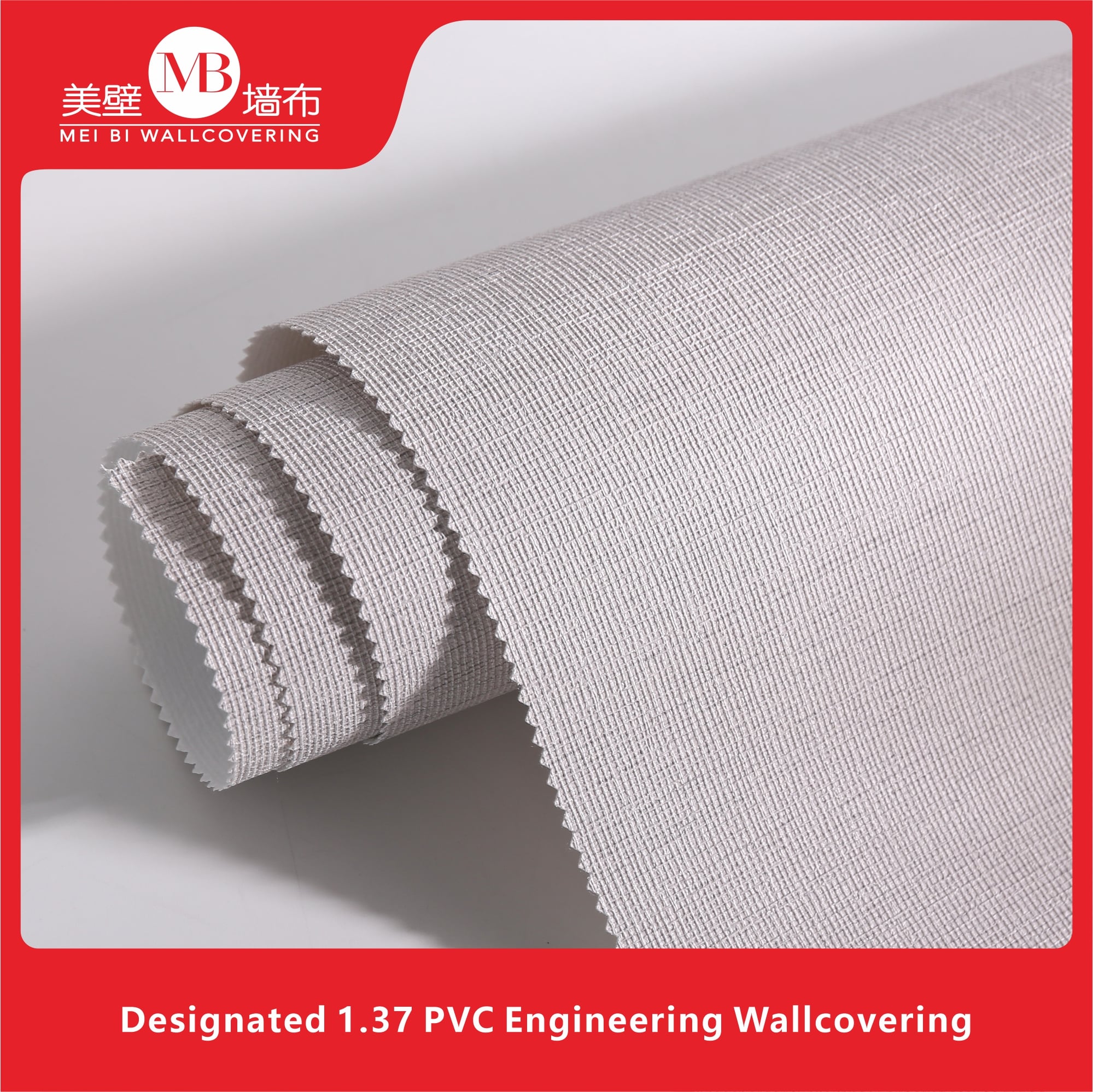
PVC wall covering delivers exceptional resistance to physical damage that occurs naturally in hotel environments. The rigid polymer structure of PVC wall covering resists denting, gouging, and surface scratches from guest luggage, housekeeping equipment, and furniture movement. Hotel corridors and room walls experience constant contact pressure; PVC wall covering maintains its surface integrity far better than softer materials. Testing shows that PVC wall covering can withstand repeated impact without permanent deformation, while fabric alternatives show visible crushing and wear patterns after similar exposure. This impact resistance directly translates to fewer repairs, less frequent replacement, and lower operational costs for hotel properties managing thousands of guest contacts annually.
Moisture and Humidity Performance
Bathrooms, pool areas, and humid climate zones present moisture challenges that PVC wall covering handles effectively. The non-porous composition of PVC wall covering prevents water absorption, mold growth, and structural degradation in high-moisture environments. PVC wall covering maintains dimensional stability even when exposed to extreme humidity fluctuations common in hospitality settings. In contrast, fabric wall panels absorb moisture readily, promoting mold and mildew colonization that compromises air quality and guest safety. Hotels in coastal regions, tropical climates, or properties with aging HVAC systems benefit significantly from PVC wall covering's moisture resistance. The non-absorbent nature of PVC wall covering means bathroom and shower areas maintain superior hygiene standards without mold remediation expenses.
Fabric Wall Panels Characteristics and Longevity
Aesthetic Appeal and Initial Installation
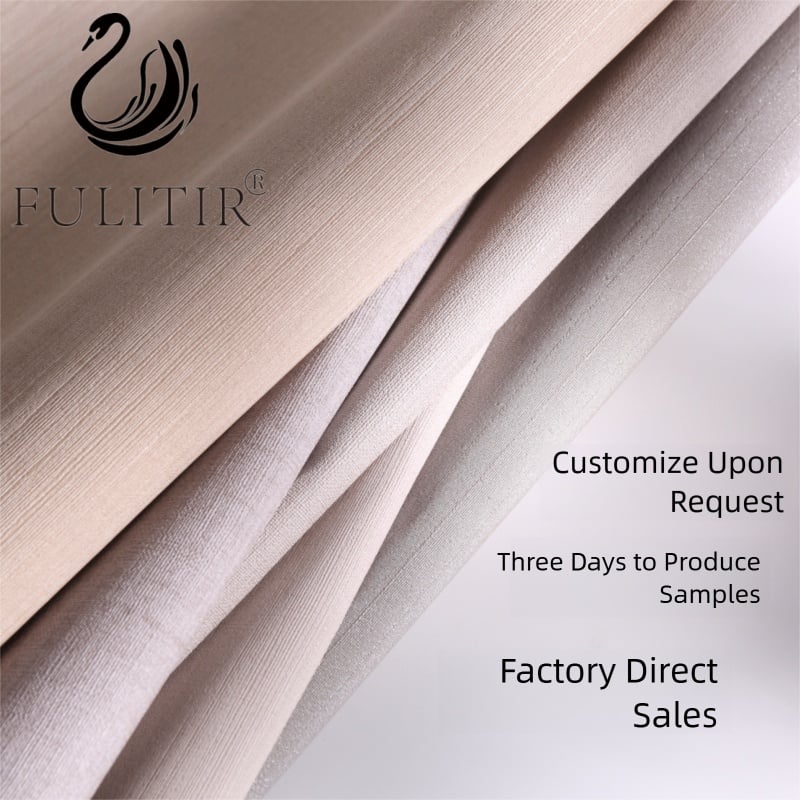
Fabric wall panels offer design flexibility and acoustic benefits that appeal to hotel design teams seeking upscale aesthetics. The textile surface of fabric wall panels provides warmth, sound absorption, and visual sophistication that PVC wall covering cannot replicate. Fabric wall panels install easily on vertical supports and allow rapid design customization through various color and texture options. However, these initial advantages diminish significantly as fabric wall panels age and accumulate staining, wear, and guest-generated damage. The soft surface texture of fabric wall panels attracts dust, attracts stains from food and beverages, and shows visible footprints and handprints that require frequent cleaning. Hotels must accept that fabric wall panels deliver superior first impressions at the cost of accelerated visible degradation compared to PVC wall covering alternatives.
Long-Term Degradation and Replacement Cycles
Fabric wall panels typically require replacement within five to seven years in active hotel environments, while properly installed PVC wall covering systems often perform reliably for twelve to fifteen years or longer. The textile fibers in fabric wall panels break down under UV exposure, oxidize during cleaning chemical exposure, and fray at seams under mechanical stress. Guest contact, housekeeping activities, and normal wear accelerate fiber degradation in fabric wall panels beyond predictable patterns. PVC wall covering resists UV degradation, maintains structural integrity through aggressive cleaning protocols, and shows minimal wear patterns even in high-traffic zones. This durability differential means hotels replacing fabric wall panels three times will require only one replacement cycle with PVC wall covering. For hotel chains managing multiple properties, this difference compounds into substantial capital expense reductions and reduced operational disruption from renovation activities.
Maintenance, Cleaning, and Operational Costs
Cleaning Protocols and Chemical Compatibility
Hotel housekeeping departments require wall covering materials compatible with standard disinfectants, bleach solutions, and hospital-grade cleaning chemicals. PVC wall covering withstands aggressive chemical exposure without degradation, discoloration, or structural compromise. The non-porous surface of PVC wall covering releases stains and contaminants easily during cleaning cycles, requiring minimal scrubbing effort. Fabric wall panels absorb cleaning chemicals into textile fibers, requiring careful application to prevent over-saturation and drying times that extend housekeeping operations. Stains penetrate fabric wall panels deeply and often require multiple cleaning attempts or professional restoration. Hotels increasingly prioritize PVC wall covering for this reason because rapid cleaning cycles improve operational efficiency and reduce labor costs per guest cycle.
Total Cost of Ownership Analysis
Comparing PVC wall covering and fabric wall panels requires analyzing total cost of ownership across material acquisition, installation, maintenance, and replacement cycles. PVC wall covering carries higher initial material costs but delivers lower per-year ownership expenses through extended service life and reduced maintenance labor. Hotels replacing fabric wall panels every six years spend approximately thirty to forty percent of capital budgets on recurring renovation cycles. Switching to PVC wall covering reduces renovation frequency and redirects capital toward strategic property improvements. The labor savings from simplified cleaning protocols further improve the financial profile of PVC wall covering selections. Hotels conducting rigorous cost analysis consistently select PVC wall covering for high-traffic areas, guest rooms, and moisture-prone zones where durability and maintenance efficiency directly impact bottom-line profitability.
FAQ
How long does PVC wall covering typically last in hotel environments?
PVC wall covering typically maintains acceptable performance for twelve to fifteen years in standard hotel environments, with some installations performing reliably for eighteen years or longer. The actual lifespan depends on traffic intensity, cleaning protocols, sunlight exposure, and environmental humidity. High-traffic corridors may show visible wear patterns after ten years, while lower-traffic areas and back-of-house spaces maintain pristine conditions for the full service life. Proper installation, adequate substrate preparation, and routine maintenance extend the effective service life of PVC wall covering substantially.
Can fabric wall panels be treated to improve durability and resistance to staining?
Fabric wall panels can receive protective coatings and stain-resistant treatments that temporarily improve performance, but these treatments gradually diminish through cleaning cycles and guest contact. Treated fabric wall panels may show improved stain resistance for two to three years before protective barriers degrade and absorption rates return to baseline levels. The texture of fabric wall panels still attracts dust and visible wear patterns regardless of chemical treatments applied. For hotels prioritizing durability and minimal maintenance over design flexibility, fabric wall panels generally underperform compared to purpose-built PVC wall covering systems designed specifically for commercial hospitality applications.
Are there specific hotel areas where fabric wall panels perform better than PVC wall covering?
Fabric wall panels serve best in low-traffic areas with controlled environments, such as executive lounges, formal dining spaces, or private meeting rooms where guest contact remains minimal and moisture exposure stays limited. These specialized spaces allow fabric wall panels to provide acoustic benefits and aesthetic enhancements without the accelerated degradation seen in public corridors and guest rooms. However, even in these protected environments, fabric wall panels require more frequent cleaning and show visible wear patterns that PVC wall covering resists effectively. Hotels balancing design goals with durability constraints often use fabric wall panels selectively while standardizing on PVC wall covering for maximizing longevity and minimizing maintenance complexity across their overall property.