
 EN
EN

Modern hotels prioritize safety and aesthetics in equal measure, making the choice of wall covering materials a critical decision for property managers and designers. Hotel PVC wall covering has emerged as a popular solution that combines durability, visual appeal, and most importantly, enhanced fire safety features. Understanding the fire-resistant properties and safety standards of these materials is essential for hospitality professionals who must balance guest safety with design requirements and operational efficiency.
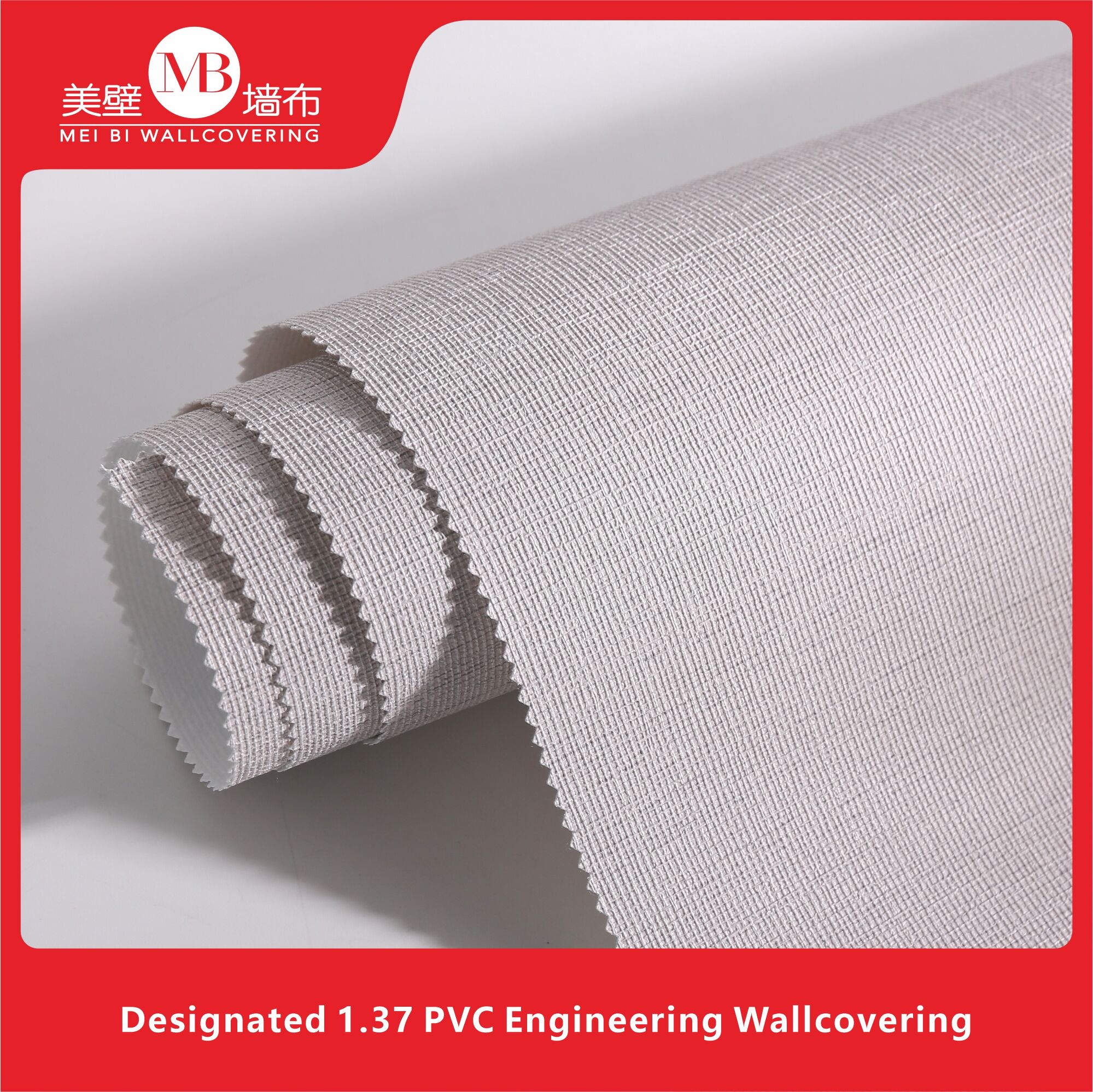
The hospitality industry operates under stringent building codes and safety regulations that specifically address fire prevention and containment. Hotel PVC wall covering materials are engineered to meet these demanding standards while providing the versatility and maintenance advantages that hoteliers require. These specialized wall coverings undergo rigorous testing to ensure they contribute to overall building safety rather than compromising it.
Fire Safety Standards and Certifications
International Fire Rating Classifications
Hotel PVC wall covering products are evaluated according to multiple international fire safety standards, including ASTM E84, EN 13501, and BS 476 classifications. These standards measure critical factors such as flame spread rate, smoke generation, and heat release properties. Class A fire ratings represent the highest level of fire resistance, indicating that the material exhibits minimal flame spread and low smoke production under test conditions.
The testing process involves exposing samples to controlled flame conditions while monitoring their behavior over specified time periods. Materials that achieve superior ratings demonstrate slower ignition times, reduced flame propagation, and lower toxic gas emissions. These characteristics are particularly crucial in hotel environments where guest safety and evacuation time are paramount concerns.
European standards such as Euroclass B-s1,d0 represent similar high-performance benchmarks for hotel PVC wall covering applications. The 's1' designation indicates limited smoke production, while 'd0' signifies no flaming droplets during combustion. These classifications provide hotel operators with confidence that their wall covering choices align with the most stringent international safety requirements.
Flame Retardant Technology Integration
Modern hotel PVC wall covering incorporates advanced flame retardant compounds that are chemically bonded into the material structure rather than applied as surface treatments. This integration ensures long-lasting fire resistance that does not diminish through normal cleaning and maintenance procedures. The flame retardants work by interrupting the combustion process and reducing the material's ability to sustain flame propagation.
Halogen-free flame retardant systems have become increasingly prevalent in premium hotel PVC wall covering products due to their reduced environmental impact and lower toxicity profiles. These systems utilize mineral-based compounds and phosphorus-containing additives that provide effective fire protection while minimizing harmful emissions during both normal use and emergency conditions.
The effectiveness of flame retardant integration can be verified through third-party testing that simulates real-world fire scenarios. Hotels can request documentation of these test results to ensure their chosen wall covering materials meet or exceed local building code requirements and insurance company specifications.
Safety Performance in Hotel Environments
Smoke Generation and Toxicity Considerations
Beyond fire resistance, hotel PVC wall covering safety encompasses smoke production and toxic gas emission characteristics during combustion events. Low smoke generation is critical for maintaining visibility during evacuations, while reduced toxicity protects occupants from harmful fumes. Advanced formulations minimize the release of hydrogen chloride and other potentially dangerous compounds.
Testing protocols evaluate both the volume and opacity of smoke produced when materials are exposed to heat and flame. Hotel PVC wall covering products that achieve low smoke ratings contribute significantly to overall building safety by preserving escape route visibility and reducing respiratory hazards for guests and emergency responders.
The chemical composition of modern hotel wall coverings is specifically engineered to limit toxic emissions through the use of stabilizers and processing aids that break down into less harmful compounds during combustion. This consideration is particularly important in high-occupancy buildings where evacuation times may be extended due to the number of people requiring assistance.
Installation and Maintenance Safety Protocols
Proper installation techniques are essential for maintaining the fire safety properties of hotel PVC wall covering systems. Adhesives, primers, and seaming materials must be compatible with the wall covering's fire-resistant properties to ensure the entire assembly maintains its safety performance. Using non-compliant installation materials can compromise the fire rating of even the highest-quality wall coverings.
Professional installation teams should be familiar with manufacturer specifications and local building code requirements for fire-rated wall covering systems. Proper surface preparation, adhesive application, and seam treatment are critical factors that influence both appearance and safety performance throughout the wall covering's service life.
Regular maintenance procedures should include inspection for damage, proper cleaning with approved products, and prompt repair of any tears or separations that could compromise fire resistance. Hotels should maintain documentation of installation procedures and ongoing maintenance activities to demonstrate compliance with safety regulations and insurance requirements.
Comparative Safety Analysis
PVC Versus Alternative Wall Covering Materials
When evaluating hotel PVC wall covering against alternatives such as fabric, vinyl, or painted surfaces, fire safety performance often emerges as a decisive factor. High-quality PVC formulations consistently demonstrate superior flame resistance compared to many traditional wall covering materials. The synthetic polymer structure allows for more effective integration of flame retardant compounds than natural fiber alternatives.
Fabric wall coverings, while offering aesthetic advantages, typically require additional chemical treatments to achieve comparable fire ratings. These treatments may diminish over time or through cleaning processes, potentially compromising long-term safety performance. Hotel PVC wall covering maintains consistent fire resistance throughout its service life due to the integral nature of its flame retardant properties.
Painted wall surfaces rely primarily on the substrate material and paint formulation for fire resistance. While specialized fire-retardant paints are available, they may not provide the comprehensive safety performance offered by engineered hotel PVC wall covering systems that combine multiple protective features in a single product.
Long-term Performance and Durability
The fire safety characteristics of hotel PVC wall covering remain stable throughout extended service periods when properly installed and maintained. Unlike some alternative materials that may degrade or lose fire resistance over time, quality PVC formulations retain their protective properties while continuing to provide aesthetic and functional benefits.
Accelerated aging tests demonstrate that hotel PVC wall covering materials maintain their fire ratings even after simulated exposure to years of normal hotel operating conditions including temperature fluctuations, humidity changes, and cleaning cycles. This long-term stability provides hotel operators with confidence in their safety investments.
The dimensional stability of PVC materials also contributes to ongoing safety performance by preventing gaps, wrinkles, or other defects that could compromise fire containment. Proper adhesion and seam integrity are maintained throughout the wall covering's service life, ensuring consistent protection across the entire installation.
Regulatory Compliance and Documentation
Building Code Requirements
Hotel projects must comply with local building codes that specify minimum fire safety standards for interior finishes including wall coverings. These codes typically reference established testing standards such as NFPA 286 for room corner tests or ASTM E119 for fire endurance. Hotel PVC wall covering manufacturers provide detailed compliance documentation that demonstrates conformance with applicable requirements.
International Building Code (IBC) classifications define specific flame spread and smoke development limits for different occupancy types and building areas. Hotels fall under assembly and residential occupancy categories that mandate stringent fire safety performance for wall covering materials. Specifying hotel PVC wall covering products with appropriate certifications ensures project compliance and approval.
Local authorities having jurisdiction may impose additional requirements beyond national codes, particularly in high-rise buildings or special occupancy situations. Hotel operators should verify that their chosen wall covering materials meet all applicable local, state, and federal regulations to avoid costly remediation or project delays.
Insurance and Liability Considerations
Insurance companies increasingly scrutinize the fire safety characteristics of building materials when underwriting hotel properties. Hotel PVC wall covering with documented fire resistance can contribute to favorable insurance rates and coverage terms. Conversely, materials that do not meet industry standards may result in coverage limitations or higher premiums.
Liability protection requires comprehensive documentation of material specifications, installation procedures, and ongoing maintenance activities. Hotels should maintain detailed records of their wall covering choices including fire test reports, installation certifications, and maintenance logs to demonstrate due diligence in safety management.
Third-party testing and certification provide additional credibility for hotel PVC wall covering safety claims. Independent testing laboratories such as Underwriters Laboratories (UL) or Intertek offer comprehensive evaluation services that validate manufacturer performance claims and provide documentation acceptable to insurance companies and regulatory authorities.
FAQ
How do I verify the fire safety ratings of hotel PVC wall covering products
Fire safety ratings can be verified through manufacturer documentation that includes third-party test reports from accredited laboratories. Look for certificates showing ASTM E84 Class A ratings, Euroclass B-s1,d0 designations, or equivalent international standards. Request copies of actual test reports rather than just summary statements, and verify that the tested product matches the specific wall covering being considered for your hotel project.
What maintenance procedures are required to preserve fire safety properties
Maintaining fire safety properties requires regular cleaning with manufacturer-approved products, prompt repair of any damage, and periodic inspection for signs of deterioration. Avoid harsh chemicals or abrasive cleaning methods that could compromise the material surface or flame retardant properties. Document all maintenance activities and address any damage immediately to preserve the wall covering's safety performance throughout its service life.
Are there specific installation requirements for fire-rated hotel PVC wall covering
Fire-rated installations require compatible adhesives, primers, and seaming materials that maintain the overall system's fire resistance. Use only manufacturer-recommended installation products and follow detailed application procedures to ensure proper adhesion and fire performance. Professional installation by trained technicians familiar with fire-rated systems is recommended to achieve optimal safety results and maintain warranty coverage.
How does hotel PVC wall covering compare to other fire-resistant wall finish options
Hotel PVC wall covering typically offers superior fire resistance compared to fabric or paper-based alternatives while providing better durability and maintenance characteristics than specialized fire-retardant paints. The integral flame retardant properties of quality PVC formulations provide consistent, long-lasting protection that does not diminish through normal use or cleaning. Additionally, PVC wall coverings often meet multiple safety criteria simultaneously, including low smoke generation and reduced toxicity during combustion.
Table of Contents
- Fire Safety Standards and Certifications
- Safety Performance in Hotel Environments
- Comparative Safety Analysis
- Regulatory Compliance and Documentation
-
FAQ
- How do I verify the fire safety ratings of hotel PVC wall covering products
- What maintenance procedures are required to preserve fire safety properties
- Are there specific installation requirements for fire-rated hotel PVC wall covering
- How does hotel PVC wall covering compare to other fire-resistant wall finish options