
 EN
EN
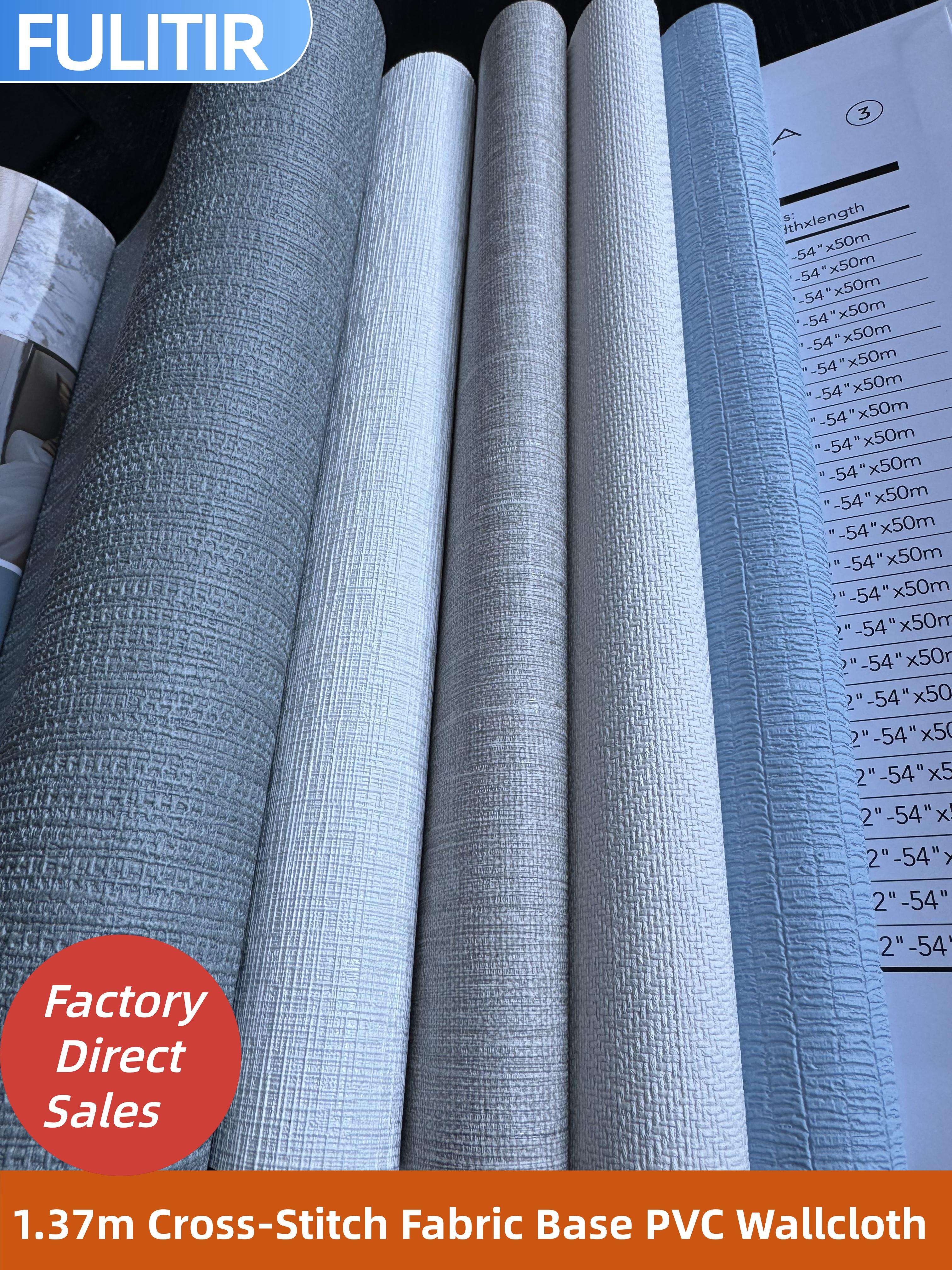
When planning interior renovations, homeowners and contractors frequently debate the optimal wallpaper width for specific wall dimensions. The question of whether 20 inch width wallpaper reduces waste on narrow walls has become increasingly relevant as sustainable practices gain importance in residential and commercial design projects. Understanding the relationship between wallpaper width and material efficiency can significantly impact both project costs and environmental footprint, making this consideration essential for informed decision-making in contemporary interior design applications.
Understanding Wallpaper Width Standards and Waste Calculation
Traditional Wallpaper Width Measurements
Standard wallpaper widths typically range from 20.5 inches to 27 inches, with some specialty products extending beyond these dimensions. The 20 inch width wallpaper represents a slightly narrower option compared to the most common 21-inch standard, which has dominated the market for decades. This subtle difference in width can create measurable impacts on material utilization, particularly when working with walls that have specific dimensional constraints or irregular layouts that challenge conventional installation approaches.
Professional installers recognize that wallpaper waste occurs primarily at horizontal cuts, vertical seams, and pattern matching requirements. The 20 inch width wallpaper often provides advantages in situations where standard widths would necessitate excessive trimming or create awkward seam placements. Understanding these fundamental measurements helps contractors and designers make informed decisions about material selection based on specific project requirements and dimensional constraints.
Calculating Material Efficiency Factors
Material efficiency calculations for 20 inch width wallpaper involve analyzing the relationship between wall dimensions and roll coverage. Narrow walls, typically defined as surfaces measuring between 24 and 48 inches in width, present unique challenges for material optimization. The mathematical relationship between wallpaper width and wall dimensions directly influences the amount of waste generated during installation, making precise calculations essential for accurate project planning and cost estimation.
When evaluating waste reduction potential, contractors must consider factors beyond simple width measurements. Pattern repeat intervals, ceiling heights, and architectural features all influence material utilization rates. The 20 inch width wallpaper often demonstrates superior efficiency on narrow walls because it reduces the likelihood of requiring partial strips that would otherwise contribute to significant material waste in conventional width applications.
Narrow Wall Applications and Material Optimization
Identifying Narrow Wall Scenarios
Narrow wall applications commonly occur in modern architectural designs, including accent walls, stairwell surfaces, powder rooms, and corridor spaces. These areas often measure between 30 and 60 inches in width, creating scenarios where standard wallpaper widths may result in substantial waste or require complex pattern matching strategies. The 20 inch width wallpaper addresses these challenges by providing more flexible coverage options that align better with narrow dimensional requirements.
Contemporary home designs increasingly incorporate narrow feature walls as focal points, particularly in open-concept living spaces where defined zones require subtle visual separation. These applications benefit from the precise coverage capabilities of narrower wallpaper widths, which can eliminate the need for excessive trimming while maintaining consistent pattern alignment across the installation surface.
Installation Efficiency Considerations
Installation efficiency improves significantly when using 20 inch width wallpaper on appropriately sized surfaces. Professional installers report reduced handling time, fewer measurement errors, and decreased material waste when working with narrower rolls on compact wall surfaces. The reduced width facilitates easier manipulation during installation, particularly in confined spaces where maneuvering larger wallpaper sheets presents logistical challenges.
The installation process for narrow walls using appropriately sized wallpaper widths also reduces the risk of air bubbles, misalignment, and adhesive application issues. Smaller sheet sizes allow for more controlled installation techniques, resulting in higher quality finished surfaces with fewer defects requiring correction or rework during the application process.
Cost-Benefit Analysis of Width Selection
Material Cost Implications
The financial implications of choosing 20 inch width wallpaper for narrow wall applications extend beyond simple material costs per square foot. Waste reduction translates directly into material savings, as projects require fewer rolls to achieve complete coverage. This efficiency becomes particularly significant in commercial applications where multiple narrow surfaces require coverage, amplifying the cumulative cost benefits of optimized material selection strategies.
Labor cost considerations also favor the use of appropriately sized wallpaper widths for specific applications. Reduced installation time, fewer corrections, and decreased material handling requirements contribute to overall project cost reductions. Professional contractors often price projects based on both material and labor efficiency, making the selection of optimal wallpaper widths a strategic decision that impacts project profitability and timeline management.
Long-Term Value Considerations
Long-term value assessment for 20 inch width wallpaper applications includes factors such as maintenance requirements, replacement costs, and design longevity. Properly sized wallpaper installations typically demonstrate superior durability because they experience less stress at seams and edges, reducing the likelihood of premature failure or appearance degradation over time.
The environmental impact of reduced waste also contributes to long-term value propositions, as sustainable building practices increasingly influence property values and marketability. Projects that demonstrate efficient material utilization align with green building standards and appeal to environmentally conscious consumers, creating additional value beyond immediate cost savings.
Pattern Matching and Design Continuity
Pattern Alignment Strategies
Pattern matching considerations play a crucial role in determining whether 20 inch width wallpaper provides waste reduction benefits for narrow wall applications. Wallpapers with large repeat patterns may actually generate more waste in narrower widths if the pattern requires specific alignment across seams. Conversely, solid colors, small patterns, or designs with flexible matching requirements often perform better in narrower width configurations.
Professional installers develop specific strategies for optimizing pattern alignment when working with narrow wallpaper widths. These techniques include careful planning of starting points, strategic seam placement, and advanced measuring techniques that minimize pattern waste while maintaining visual continuity across the installation surface. The success of these strategies depends heavily on the specific pattern characteristics and installation environment.
Visual Impact Assessment
The visual impact of seam placement becomes more critical when using 20 inch width wallpaper, as narrow walls may accommodate fewer seams, making each junction more prominent. Designers must carefully consider seam locations relative to lighting conditions, viewing angles, and architectural features to ensure that material efficiency gains do not compromise aesthetic quality or design intent.
Strategic planning for visual continuity often requires balancing material efficiency with design objectives. Narrow wallpaper widths may enable more precise control over seam placement, allowing designers to align joints with architectural features or lighting transitions that naturally camouflage the seam locations while maintaining the waste reduction benefits of optimized width selection.
Professional Installation Techniques
Measurement and Planning Protocols
Professional installation of 20 inch width wallpaper on narrow walls requires precise measurement protocols that account for surface irregularities, electrical fixtures, and architectural details. Accurate measurements become even more critical when working with narrower materials, as small errors can result in disproportionately large waste percentages or coverage gaps that compromise the installation quality.
Planning protocols for narrow wall installations typically involve detailed surface mapping, fixture location documentation, and waste calculation modeling. These preparatory steps help installers optimize material utilization while ensuring adequate coverage for complex surface configurations that might otherwise result in excessive waste or installation complications.
Application Best Practices
Best practices for applying 20 inch width wallpaper emphasize controlled handling techniques that accommodate the narrower material dimensions. Professional installers report that narrow widths require modified application approaches, including adjusted adhesive application patterns, alternative smoothing techniques, and specialized trimming methods that optimize material efficiency while maintaining installation quality standards.
Quality control measures for narrow wallpaper installations focus on seam integrity, pattern alignment precision, and edge finishing techniques. These factors become more critical when working with narrower materials, as any defects or alignment issues become more visually prominent due to the increased seam frequency typical in narrow width applications.
Market Trends and Product Innovation
Industry Development Patterns
The wallpaper industry has responded to demand for more efficient material utilization by developing specialized products that optimize coverage for specific applications. Manufacturers increasingly offer 20 inch width wallpaper options designed specifically for narrow wall applications, incorporating features such as enhanced pattern matching capabilities, improved adhesive formulations, and specialized edge treatments that facilitate efficient installation.
Market research indicates growing consumer awareness of material efficiency considerations, driving demand for wallpaper products that minimize waste while maintaining design quality. This trend has encouraged manufacturers to expand their narrow-width product offerings, providing designers and contractors with more options for optimizing material utilization in challenging installation scenarios.
Technological Advancements
Recent technological advancements in wallpaper manufacturing have enabled the production of higher quality narrow-width materials with improved handling characteristics and installation performance. These innovations address traditional concerns about narrow wallpaper durability and appearance, making 20 inch width wallpaper more viable for professional applications where material efficiency and quality must both meet stringent standards.
Digital printing technologies have particularly benefited narrow-width wallpaper production, enabling precise pattern control and color consistency across smaller material widths. These capabilities support the development of specialized products optimized for narrow wall applications while maintaining the design flexibility and visual impact expected in contemporary interior design projects.
FAQ
What wall widths benefit most from 20 inch wallpaper
Walls measuring between 30 and 60 inches in width typically show the greatest waste reduction benefits when using 20 inch width wallpaper. These dimensions allow for efficient coverage without requiring excessive trimming or creating awkward partial strips that contribute to material waste in standard width applications.
How does pattern type affect waste calculations for narrow wallpaper
Solid colors and small repeating patterns generally produce less waste in narrow widths compared to large pattern repeats that require specific alignment. Complex patterns may actually generate more waste in narrower widths if the pattern matching requirements necessitate significant trimming to maintain visual continuity across seams.
Can 20 inch width wallpaper maintain professional appearance standards
Modern 20 inch width wallpaper products meet professional quality standards when properly installed using appropriate techniques. The key factors include careful seam planning, precise pattern alignment, and skilled application methods that optimize the visual impact while maintaining the material efficiency benefits of the narrower width format.
What installation challenges should contractors expect with narrow width wallpaper
Primary challenges include increased seam frequency requiring more precise alignment, modified handling techniques for narrower materials, and careful planning to optimize pattern matching across multiple strips. Professional installers typically adapt their methods to accommodate these requirements while maintaining installation quality and efficiency standards.