
 EN
EN
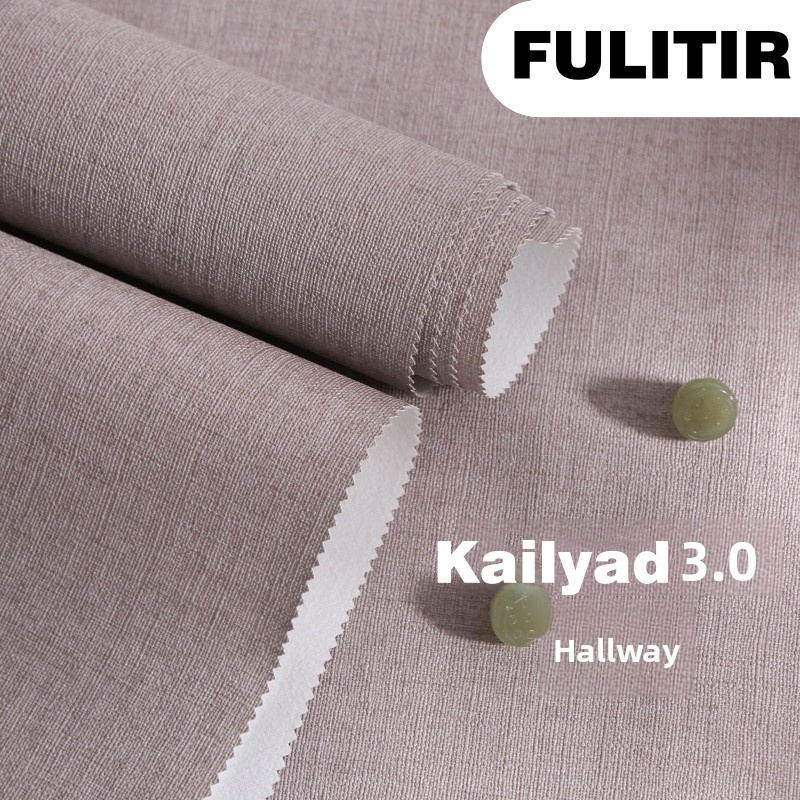
כאשר מעצבים פנים, מפתחי נדל"ן או מותגים קמעונאיים מחפשים ספקים לכסויי קירות מותאמים אישית, אחת השאלות הראשונות שהן שואלות היא האם בד קיר המפעלים מסוגלים לספק שירותים של ייצור לפי דרישה (OEM). זו שאלה הוגנת וחשובה, משום ש-OEM — ייצור ציוד מקורי — מייצג רמת מעורבות עקרונית שונה מאשר רכישת מוצרים מוכנים מראש. OEM משמעו שהמפעל מייצר את המוצרים בהתאם לדרישותיכם, לסימן הסחר שלכם ולתקני האיכות שלכם. הבנה אם בד קיר יצרנים שיכללו לספק שירות מסוג זה בפועל ישפיעו ישירות על אסטרטגיית ההזמנות שלכם ועל לוח הזמנים של פיתוח המוצרים שלכם.
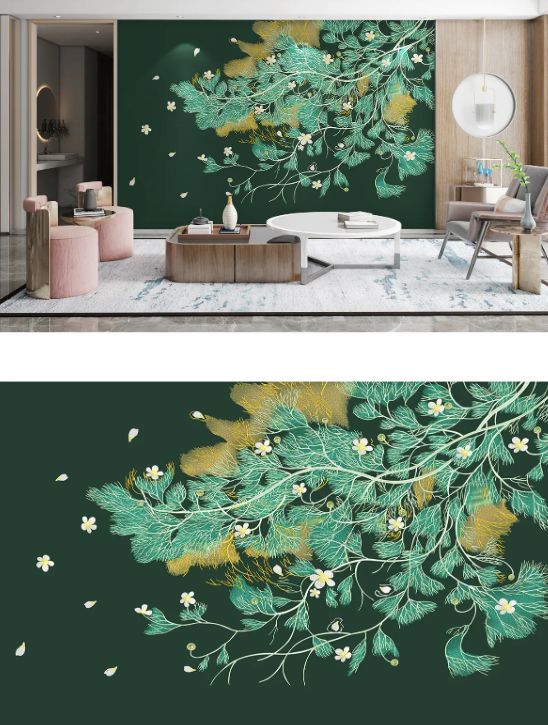
התשובה הקצרה היא כן – רבים בד קיר מפעלים מציעים שירותים של ייצור לפי דרישה (OEM), והמהימנים שבהם בנו מסגרות ייצור שלמות במיוחד כדי לעמוד בהזמנות מותאמות אישית. עם זאת, לא כל המפעלים שווים בכושר זה. ההבדל בין מפעל המסוגל לייצר בד לקירות לפי דרישה (OEM) באמת לבין מפעל שרק טוען לכך, תלוי ביכולות הטכנולוגיות שלו, בגמישות המינימלית של סדרות הזמנה, בעומק הנדסת העיצוב ובמערכות בקרת האיכות שלו. מאמר זה בוחן מה משמעו שירותים של ייצור לפי דרישה (OEM) בהקשר של ייצור בד לקירות, מה ניתן לצפות ממנו, ואיך לזהות את המפעל השותף המתאים ביותר לפרויקט שלכם.
מה משמעויות שירותים של ייצור לפי דגם (OEM) בתחום ייצור בד קיר
הגדרת ייצור לפי דגם (OEM) בהקשר של כיסויי קיר
בתעשיית חומרי העטיפה לקירות, שירותים של יצרן מקורי (OEM) מתייחסים ליכולת המפעל לייצר מוצרים של בד לקירות על סמך דרישות מותאמות אישית של הקונה, ולא על סמך עיצובי הקטלוג של המפעל עצמו. זה עשוי לכלול דפוס מותאם אישית פיתוח, התאמת צבעים ייחודית, בחירת תת-חומר ייחודית, תצורות רוחב או אורך מותאמות אישית, ואריזה עם שם פרטי. כאשר מותג או מפתח פועלים עם מפעל לבדים לקירות על בסיס יצרן מקורי (OEM), המפעל פועל כשותף ייצור ולא רק כספק מוצר.
ההבחנה הזו חשובה מאוד למותגים שמעוניינים לשמור על זהות מוצר מובחנת בשוק. בדים לקירות מוכנים מראש זמינים ברמה רחבה, אך מוצרים המיוצרים בתנאי יצרן מקורי (OEM) יכולים להיות ייחודיים למותגכם בלבד, ומשקפים את שפת העיצוב שלכם ואת עמדתכם השיווקית — בין אם מדובר באסתטיקה יוקרתית קלה לדיור, בפתרון מסחרי ברמה של מוסדות אירוח, או באוסף דקורטיבי מעוצב במחזוריות גבוהה עם רקמה מדויקת.
ייצור בד קירות לפי דגם יצרן (OEM) כולל בדרך כלל תהליך מובנה: הצגת העיצוב, פיתוח דוגמאות, מחזורי אישור, ייצור המוני ואריזה ייחודית למותג. כל שלב דורש מהמפעל משאבים מיוחדים — לא רק מכונות, אלא גם צוותי עיצוב, מהנדסי איכות ומנהלי חשבון שמבינים כיצד לתרגם את ההוראות שניתנו על ידי הלקוח למוצרים שניתן לייצר.
ההבדל בין ייצור לפי דגם יצרן (OEM) לייצור לפי דגם מקורי (ODM) בבד קירות
שווה להבהיר את ההבחנה בין OEM ל-ODM, מאחר שהמושגים הללו מתבלבלים לעיתים קרובות בעת רכישת בד קירות. ODM — ייצור לפי דגם מקורי — פירושו שהמפעל הוא זה שמייצר את העיצוב, והקונה מרשה או קונה אותו עם סימן מסחרי משלו. לעומת זאת, OEM, במובן המדויק שלו, פירושו שהקונה הוא זה שמספק או מדריך את העיצוב, והמפעל מייצר אותו בהתאם לדרישות הספציפיות הללו.
בפועל, מפעלי בד קירות רבים מציעים שילוב של שני הגישות. הקונה עלול להתחיל בתבנית קיימת מתוך תיק העבודות של המפעל ולבקש התאמה משמעותית — שינוי דרגות צבע, שינוי היקף הדפוס, הוספת טקסטורה מעושנת או חומרים שונים לחלק האחורי. גישה היברידית זו נפוצה ומעשית, במיוחד עבור קונים שמעוניינים ברמת ייחוד של יצרן מקורי (OEM) ללא השקעה בפיתוח עיצוב מקורי מלא מאפס.
ההבנה איזו מודל מתאים ביותר לצרכים שלכם לפני פניה לייצרן בד קירות תזרז את תהליך ההשיגות ותעזור לכם לקבוע ציפיות מציאותיות בנוגע להוצאות ולזמני האספקה.
יכולות טכניות שמאפשרות ייצור בד קירות כיצרן מקורי (OEM)
רקמה והנדסת ג'קרד לתבניות מותאמות
ייצור יוקרתי של בד קירות ליצרנים מהשורה הראשונה (OEM), במיוחד ליישומים של אדריכלות יוקרתית קלה ודיור איכותי, מסתמך לעיתים קרובות על טכנולוגיות מתקדמות של רקמה או אריגת ג'קרד. טכניקות אלו מאפשרות שיבוץ דפוסים מדויקים ביותר ברזולוציה גבוהה, מה שחיוני כאשר מותג רוצה דגם ספציפי, אלמנט דקורטיבי קשור ללוגו, או kếtקסט ייחודי שלא ניתן להשיג באמצעות הדפסה דיגיטלית רגילה בלבד.
מפעלים בעלי מחלקות רקמה מיוחדות יכולים לתכנת דפוסי תפרים מותאמים אישית בהתאם לקבצי העיצוב של הלקוח, ולהשיג רמת מורכבות חישה ובصرית המגבירה את בד הקירות בהרבה מעבר לאריחי קיר קונבנציונליים. יכולת מסוג זה מהווה סימן חזק לכך שמפעל אכן מצויד כראוי להשתלבות רצינית בפרויקטים של יצרנים מהשורה הראשונה (OEM), ולא רק להתאמה פנימית שטחית.
בעת הערכת מפעל ליצירת בד קירות לפי דרישה (OEM), יש לשאול במפורש על מספר מכונות התפירה שלו, על היכולת שלו לבצע דיגיטציה פנימית, ועל טווח החוטים, הגרמיות וחומרי הגביש שהוא מחזיק במלאי. פרטים תפעוליים אלו יגלו האם המפעל מצויד בתשתיות הנדרשות לביצוע עקבי של הזמנות מורכבות של בד קירות מותאם אישית, גם בקנה מידה גדול.
התאמה אישית של תת-הבסיס וחומרים
ייצור בד קירות לפי דרישה (OEM) אינו מוגבל לעיטוב שטח. הוא משתרע גם על הרכב המבני של המוצר עצמו. מפעל מסוגל יאפשר ללקוחות לציין את בד הבסיס, את השכבה הבינונית (interlining), את סוג הגביש, ואפילו שכבות טיפול אקוסטי או עמידות באש כחלק מהסכם ה-OEM. רמת ההתאמה האישית לחומרים הזו רלוונטית במיוחד בפרויקטים מסחריים, בעיצוב פנים למוסדות אירוח, או בפיתוחים מגורים בעלי مواפיינים גבוהים, שבהם יש לעמוד בדרישות ביצוע מסוימות לצד המטרות האסתטיות.
פתרונות סדינים לכתלים לכל הבית ללא חיבורים — שבהם מייצרים פאנלים רציפים גדולים כדי לכסות את כל שטח הכתלים ללא חיבורים נראים — מהווים אחת הצורות המאתגרות טכנולוגית ביותר של ייצור לפי דרישה (OEM). תבנית זו דורשת חישוב מדויק של מידות הכתלים, ניהול זהיר של חזרת הדפוס בין הפאנלים, וצביעת וסיום עקביים מאוד כדי להבטיח אחידות בכל ההתקנה. מפעלים ששלטו בתבנית זו מפגינים רמת зрיפות טכנולוגית שמאפשרת באופן ישיר מסירה אמינה של שירות ייצור לפי דרישה (OEM).
קונים שמחפשים סדינים לכתלים כרקע לחדרי שינה, כתלים בולטים בסלון או התקנות באולם קבלה צריכים לתת עדיפות למפעלים בעלי ניסיון מוכח בייצור פאנלים ללא חיבורים. ניסיון זה מתורגם ישירות למספר קטן יותר של קשיי התקנה, תוצאות חזותיות טובות יותר, ולבסוף מוצר סופי חזק יותר שמעיד על שם המותג שעומד מאחוריו.
כמויות הזמנה מינימליות ורентביליות מסחרית לקונים של יצרנים מקוריים (OEM)
הבנת מבני כמויות ההזמנה המינימליות (MOQ) ביצוא חומת בד ליצרנים מקוריים (OEM)
אחת הבעיות הפרקטיות החשובות ביותר למותגים ששקולים לרכוש חומת בד לפי דרישה (OEM) היא הכמות המינימלית להזמנה. מאחר שהייצור המותאם אישית דורש זמן הכנה, רכישת חומרים ורצפי ייצור מיוחדים, המפעלים קובעים בדרך כלל כמויות הזמנה מינימליות (MOQ) שמבטיחות שיעור הרווחיות של ההזמנה יהיה סביר לשני הצדדים. הכמות המינימלית להזמנה (MOQ) לחומת בד לפי דרישה (OEM) עלולה להשתנות במידה רבה בהתאם מורכבות העיצוב, סוגי החומרים הנדרשים, וכן אם הפרויקט כולל רקמה, הדפסה או בנייה ארוגה.
חלק מהמפעלים עיצבו תוכניות OEM מדורגות שמתאימות להזמנות ראשוניות קטנות יותר - במיוחד עבור קונים בשלב הדגימה ואימות הקונספט - לפני הרחבה לכמויות מסחריות מלאות. גמישות זו חשובה לחברות עיצוב פנים, מותגי מלונות בוטיק או יזמי נדל"ן שרוצים לבחון עיצוב בד קיר בהתאמה אישית לפני שהם מתחייבים לסדרת ייצור גדולה.
בעת משא ומתן על תנאי הכמות המינימלית להזמנה (MOQ) עם מפעל לייצור בדים לקירות, סביר לבקש תחילה הזמנת דגימות, ולאחר מכן מחויבות מותנית להפקה מסחרית לאחר האישור. מפעלים שממוקדים באמת בשותפות יצרן מקורי (OEM) יסכים לעתים קרובות למבנה מדורג זה, מכיוון שהם מבינים שאמון הלקוח במוצר הוא תנאי מוקדם להיקפי ייצור ארוכי טווח.
לוגיקה למתן מחירים להזמנות מותאמות של בדים לקירות
ייצור בד קירות מותאם אישית לפי דרישות הלקוח (OEM) נקוב במחיר שונה מאשר מוצרים סטנדרטיים מהקטלוג. המחיר יoref את מורכבות העיצוב, עלות החומרים הייחודיים או התהליכים המיוחדים שמעורבים בייצור, כמות ההזמנה, וכן האם המפעל מפזר את עלויות הכליון או ההכנה על פני ההזמנה. הקונים צריכים לצפות לתשלום ראשוני עבור דגם ניסיוני או עמלת פיתוח עיצוב בנוסף למחיר הייצור ליחידה.
חשוב לא להעריך את מחירי בד הקירות של ה-OEM רק על בסיס לגליל או למטר בנפרד. במקום זאת, יש לקחת בחשבון את העלות הכוללת של תהליך הפיתוח המותאם בהשוואה לערך המסחרי של מוצר ייחודי ומקושר למותג. בפרויקטים יוקרתיים לדיור פרטי או בסביבות אירוח עם מותג, תשואת ההשקעה (ROI) של מוצר בד קירות מותאם היטב מביאה לעיתים קרובות לנימוק של ההשקעה הראשונית הגבוהה יותר בהשוואה לשימוש באופציות קטלוגיות כלליות.
מפעלים שקופים יספקו פירוט עלות מפורט שמפריד בין עלויות הפיתוח לעלות הייצור, ויאפשר לקונים להבין במדויק מה הם משלמים בכל שלב בתהליך ה-OEM.
בקרת איכות והגנה על המותג בשותפויות OEM עם יצרני ריפוד קירות
איך מפעלים מגנים על ייחודיות העיצוב של הלקוח
זוהי דאגה לגיטימית עבור כל מותג הנכנס ליחסים מסוג OEM עם יצרן ריפוד קירות בנוגע לייחודיות העיצוב. אם משקיעים בפיתוח דפוס או טקסטורה ייחודיים, יש צורך בהבטחה שהמפעל לא ייצר את העיצוב הזה עבור לקוחות אחרים. יצרני ריפוד קירות מהימנים מתמודדים עם נושא זה באמצעות הסכמים רשמיים לאי-גילוי מידע, פרוטוקולי רישום עיצובים ייחודיים, ותנאים חוזיים ברורים שקובעים את בעלות זכויות היצירתיות.
לפני הסיכום הסופי של כל הסדרת בד קירות ליצרן מקורי (OEM), יש לוודא שההסכם מציין בבירור למי שייכים קבצי העיצוב, מי שולט בכלים לייצור, ובאילו תנאים המפעל יכול או לא יכול להשתמש בעיצובים דומים עבור צדדים שלישיים. הגנות אלו הן סטנדרטיות בהקשרים מקצועיים של ייצור ליצרן מקורי (OEM) ואינן אמורות להיות קשות להשגה ממפעל בעל ניסיון אמתי בייצור ליצרן מקורי.
מפעלים שמתנגדים לחתום על הסכמי אי-גילה (NDA) או שמתנגדים לתנאי זכויות יוצרים ברורים מעלים דגל אדום משמעותי. ערכת העיצוב המותאמת שלכם לבד קירות היא נכס עסקי, וראוי לה הגנה חוזית זהה לכל השקעה אחרת בפיתוח מוצרים ייחודיים.
בקרת איכות, דגימה ואישור מחזורים
בקרת האיכות בייצור בד קירות של יצרנים מזמינים (OEM) דורשת תהליך אישור מבני. בדרך כלל כולל תהליך זה הוכחת עיצוב ראשונית או דגם דיגיטלי, ולאחר מכן דגימה פיזית או דגימת ייצור לבדיקת דיוק הצבע, kếtקסטורה והממדים. רק לאחר אישור הלקוח של הדגימה הפיזית יש להתקדם לייצור המוני. סדר זה מגן הן על הקונה והן על המפעל, בכך שהוא מבטיח התאמה לפני תחילת הייצור בקנה מידה גדול.
לקונים העוסקים ביישומים ר residential ברמה של יוקרה קלה או דיוק גבוה יש להיות מחמירים במיוחד בשלב הדגימות. שינויים זעירים בצבע החוט, בצפיפות התחריט או במתח השכבה התחתונה, שנדמים זניחים בבודד, יכולים להפוך למשמעותיים חזותית בקנה מידה גדול על פני שטחים גדולים של קירות. מפעלים בעלי צוותי בקרת איכות מנוסים יזהירו מראש על בעיות אלו בשלב ייצור הדגימות, ולא ימתינו לתגובת הקונה.
בקשת מספר סבבים של דגימות, עם תקני צבע מומשפים ודוגמיות פיזיות שנותרו בידיהם של שני הצדדים, היא פרקטיקה מומלצת סטנדרטית בכל שיתוף פעולה רציני עם יצרן ציוד מקורי (OEM) לבד קירות. מסמך זה משמש גם כמדד איכות עבור הזמנות חוזרות בעתיד.
בחירת מפעל הבד לקירות המתאים לשיתוף פעולה עם יצרן ציוד מקורי (OEM)
הקריטריונים המרכזיים להערכת הכשירות לשיתוף פעולה עם יצרן ציוד מקורי (OEM)
לא כל מפעל לבד קירות המפרסם שירותים ליצרני ציוד מקורי (OEM) מחזיק בתשתיות הנדרשות כדי למלא את ההבטחה הזו באופן עקבי. בעת הערכת שותפים אפשריים ליצוא ציוד מקורי (OEM), יש לחפש מפעלים שיש להם צוות פיתוח מותאם במיוחד, נפרד מהקו הייצור הסטנדרטי. הפרדה זו מעידה על כך שהמפעל מתייחס לעבודת ה-OEM המותאמת כפונקציה עסקית עצמאית, ולא כהוספה לא חשובה לפעולת הייצור של המוצרים הקטלוגיים שלו.
בקש לבדוק דוגמאות של מקרי שימוש או תיקי פרויקטים קודמים של יצרנים למוצרי בד לקירות, במיוחד אלו שמתאימים ליישום המתוכנן שלך — בין אם זה רקע לחדר שינה ולסלון ביתי, התקנות באולמות קבלה מסחריים או פנים של סוויטות באירוח. ראיות חזותיות של פרויקטים שהושלמו על ידי יצרנים מספרות לך הרבה יותר על היכולות האמיתיות של המפעל מאשר כל טענה בספרי השיווק שלו.
בדוק גם את תגובתיות המפעל ואת עומק הידע הטכני שלו. פיתוח בד לקירות על-ידי יצרנים דורשת תקשורת ברורה ומעמיקה הלוך ושוב בין הלקוח לצוותי העיצוב והייצור של המפעל. מפעל שתקשה לערוך דיון טכני משמעותי בשלב הביקור הראשוני אינו סביר שיהיה שותף מהימן לאורך הסבירות המורכבת של ייצור מותאם אישית מלא.
פוטנציאל לשותפות ארוכת טווח מעבר להזמנה הראשונה
היחסים הטובים ביותר עם יצרני חומרי גלם (OEM) לבד קירות אינם טרנזקציוניים — אלא שותפויות אסטרטגיות. מפעל שמשקיע בהבנת מיקום המותג שלכם, סביבות ההתקנה שלכם והציפיות של הלקוחות הסופיים שלכם הופך לשותף בעל ערך הולך וגובר עם הזמן. הוא צובר ידע על הסטנדרטים שלכם, העדפותיכם ומדדי האיכות שלכם, מה שגורם לכל הזמנה נוספת להיות מהירה יותר, חלקה יותר ומותאמת טוב יותר לציפיותיכם.
שקלו האם למפעל שאתם מעריכים יש את קנה המידה של הייצור ואת עומק פיתוח המוצר הדרושים כדי לגדול בהתאם לצרכים שלכם. אם אתם מתחילים עם קולקציית בד קיר בהתאמה אישית אחת עבור פרויקט בוטיק כיום, אך צופים התרחבות לקולקציות רחבות יותר או נפחים גדולים יותר בעתיד, אתם רוצים מפעל שיכול להתאים למסלול זה מבלי שתצטרכו להחליף שותפים ככל שהצרכים שלכם מתפתחים.
שותפויות OEM ארוכות טווח פותחות גם את הדלת לחדשנות משותפת במוצרים — שם המפעל מביא לך באופן פרואקטיבי חומרים חדשים, טכניקות או מגמות עיצוב שמתאימות לכיוון המותג שלך. סוג זה של שותפות פרואקטיבית הוא סימן מובהק לייצרן ריפוד קירות שמעורב באמת בהצלחתך, ולא רק במילוי מקומות ייצור.
שאלה נפוצה
האם מותג קטן או מעצב עצמאי יכולים להשתמש בשירותי ריפוד קירות לפי דגם יצרני (OEM)?
כן, מפעלים רבים לייצור ריפוד קירות התאימו את תוכניות ה-OEM שלהם כדי לקלוט קונים קטנים יותר, כולל מעצבים עצמאיים ומותגים בוטיקיים. המפתח הוא למצוא מפעל המציע מבנה MOQ מדורג ותוכניות לפיתוח דוגמיות, אשר מאפשרות לך להתחיל עם ייצור מותאם מוגבל לפני שתתחייב כמויות גדולות יותר. תקשורת שקולה בנוגע לגודל הפעילות והתקציב שלך כבר בשלב הראשוני תעזור לזהות מפעלים שמתאימים באמת לגודל הפרויקט שלך.
כמה זמן בדרך כלל נמשך פיתוח ריפוד קירות לפי דגם יצרני (OEM)?
לוח הזמנים לפיתוח בד קיר ל-OEM משתנה בהתאם לקושי העיצוב, דרישות אספקת החומרים ומספר הסבבים הדרושים לבדיקת דוגמיות. באופן כללי, יש לתכנן בין ארבעה לעשרה שבועות מהתקציר הראשוני של העיצוב לדוגמה המוסכמת לייצור, וארבעה עד שמונה שבועות נוספים לייצור המוני. פורמטים מורכבים יותר, כגון בדים מרקומים או פנלים רציפים ללא תפרים, עלולים לדרוש זמן הכנה נוסף, במיוחד אם יש צורך באספקת חוטים מיוחדים או חומרי גביש.
אילו קבצי עיצוב נדרשים כדי להתחיל הזמנה של בד קיר ל-OEM?
רוב מפעלי בד קירות שמציעים שירותים של ייצור על פי דגם של הלקוח (OEM) יכולים לעבוד מגוון פורמטים של קלט לעיצוב, כולל קבצי אמנות וקטורית, תמונות רסטר באיכות גבוהה, דוגמיות פיזיות של בד או הפניות מפורטות ללוח מצבים. ככל שההנחיות לעיצוב יהיו מדויקות ומשלימות יותר, כך המפעל יוכל לפתח דוגמית מתאימה מהר יותר ובדיוק רב יותר. אם אין לכם קבצים מוכנים לייצור, רבים מהמפעלים שצוות העיצוב שלהם פועלים בתוך המפעל יכולים לסייע בהתאמת האמנות כחלק מתהליך הפיתוח של OEM, לרוב בתוספת תשלום נפרד עבור העיצוב.
האם אפשר להשיג בד קירות ללא חיבורים לכל הבית במסגרת הסדר OEM?
כן, ריפוד קירות שלם וחלקית בכל הבית הוא בהחלט אפשרי במסגרת הסדר יצרן מקורי (OEM), והוא מייצג אחת הפורמות המתקדמות ביותר של ייצור ריפודי קירות מותאמים שזמינים כיום. פורמט זה דורש תכנון מדויק של מידות החדר, הנדסת דפוסים בקפידה וייצור עקבי מאוד כדי להבטיח רציפות חזותית על פני כל משטחי הקירות. מפעלים המתמחים בפורמט זה יכולים לעבוד מהשרטוטים האדריכליים של הפרויקט שלכם כדי לחשב את מידות הפאנלים ולספק פתרון ריפוד קירות מותאם במיוחד לחללים שמתוקנים.
תוכן העניינים
- מה משמעויות שירותים של ייצור לפי דגם (OEM) בתחום ייצור בד קיר
- יכולות טכניות שמאפשרות ייצור בד קירות כיצרן מקורי (OEM)
- כמויות הזמנה מינימליות ורентביליות מסחרית לקונים של יצרנים מקוריים (OEM)
- בקרת איכות והגנה על המותג בשותפויות OEM עם יצרני ריפוד קירות
- בחירת מפעל הבד לקירות המתאים לשיתוף פעולה עם יצרן ציוד מקורי (OEM)
- שאלה נפוצה