
 EN
EN
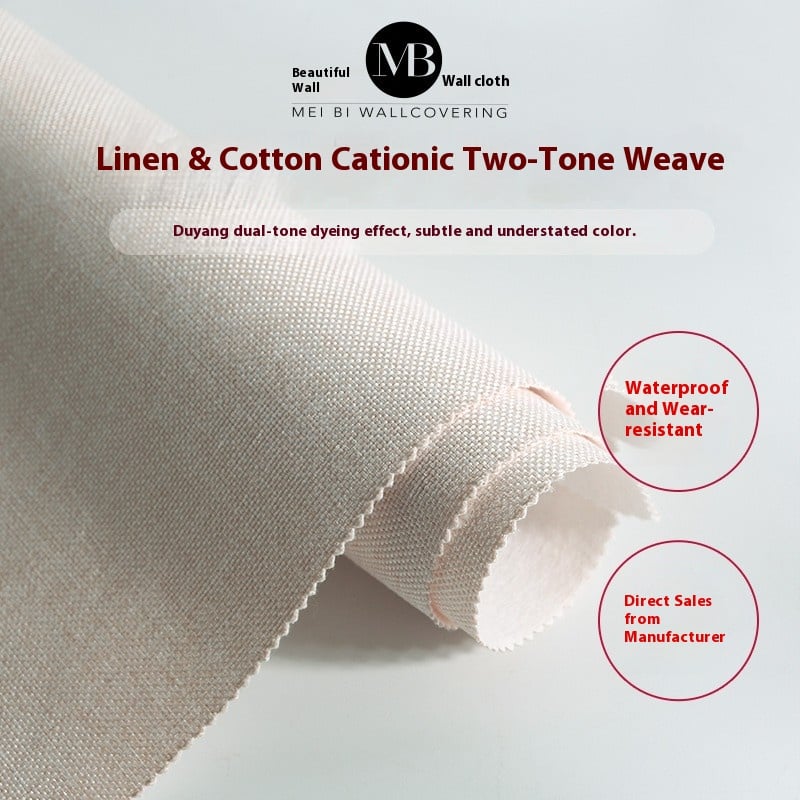
When planning a large-scale interior renovation or commercial fit-out, one of the most pressing logistical questions buyers face is how long bulk production actually takes at a wall cloth factory. Timelines can directly affect project schedules, shipping windows, and client commitments. Understanding the production cycle at a wall cloth factory is not simply about counting calendar days — it involves a multi-stage process that includes raw material sourcing, weaving or fabric bonding, surface treatment, quality inspection, and packaging. Each of these stages has its own time requirements, and delays in any one of them can cascade through the entire order.
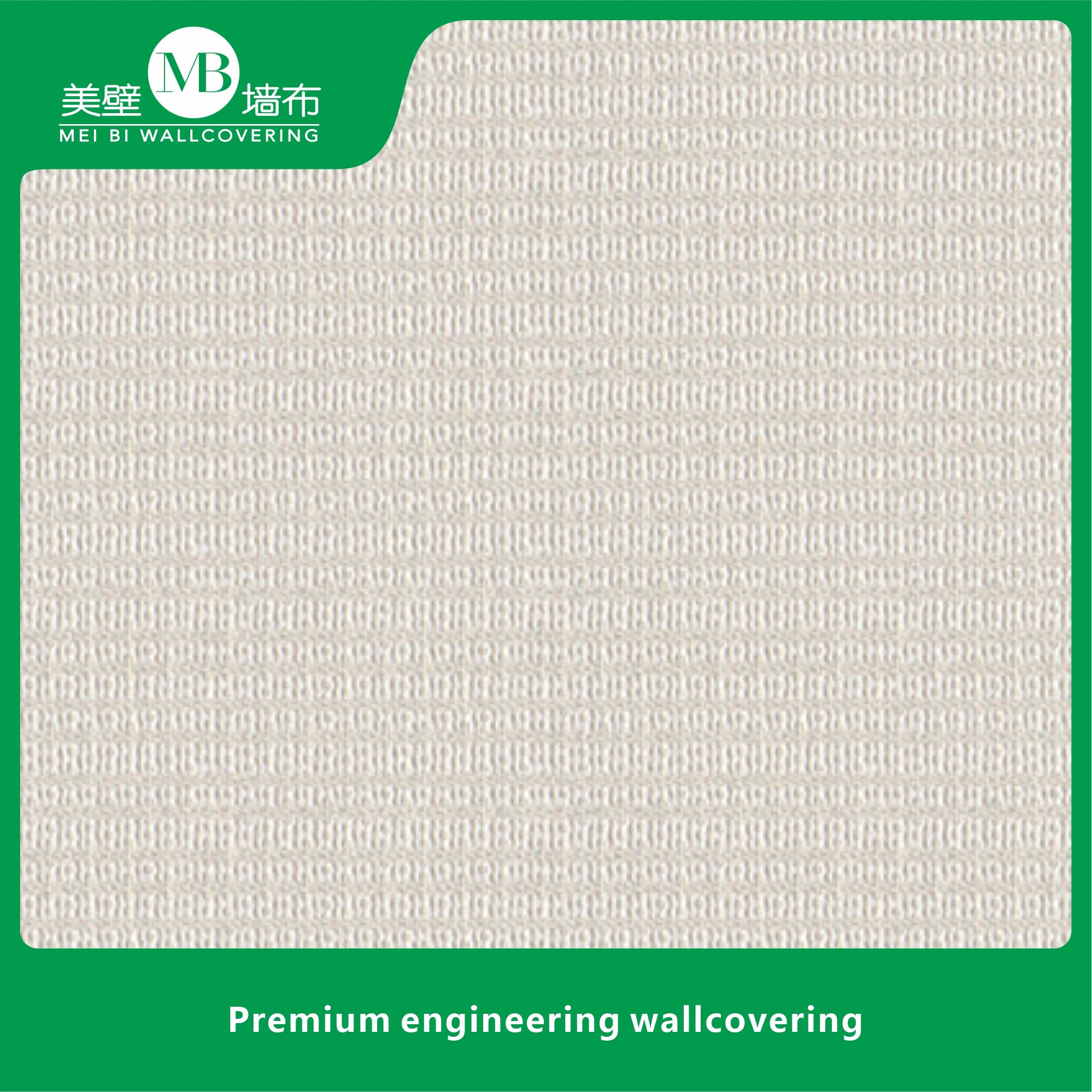
Buyers who source directly from a wall cloth factory often gain significant time advantages compared to going through middlemen, but they still need a realistic understanding of production lead times before signing purchase agreements or setting installation deadlines. Bulk production timelines at a wall cloth factory can range from as few as 15 days to over 60 days depending on order complexity, material selection, customization requirements, and factory capacity at the time of order placement. This article breaks down each key factor so buyers, procurement teams, and interior designers can plan their projects with precision.
The Core Stages of Bulk Production at a Wall Cloth Factory
Raw Material Procurement and Preparation
Before a single roll of wall cloth enters the production line, the wall cloth factory must secure all required raw materials. For high-quality products such as cotton and linen blended wallcoverings, the sourcing of yarn, backing materials, and chemical agents for surface treatment can take anywhere from 3 to 10 business days depending on whether the factory maintains a standing inventory. Factories that operate with a just-in-time inventory model may experience longer raw material lead times, especially when orders call for specific fiber compositions or custom color dyeing.
Plain-colored or light luxury style wallcoverings, for example, often require pre-dyeing of yarn or fabric before the weaving process begins. Dyeing batches must match the approved color swatch within acceptable tolerance limits, and if the first dye lot fails quality inspection, a re-dye will add additional days to the schedule. A professional wall cloth factory will typically build dye approval time into the quoted lead time, but buyers should explicitly confirm whether material procurement is included in or excluded from the stated production timeline.
Weaving, Lamination, and Base Fabric Production
The actual fabric-making stage at a wall cloth factory is often the most time-intensive part of the production process. For woven products, industrial looms operate at defined speeds, and producing a full bulk order of seamless whole-house wallcovering requires precise programming, machine setup, and continuous monitoring. Depending on the order volume, this stage alone can require 5 to 20 days at a mid-sized wall cloth factory.
For laminated or composite wall cloth constructions — where a decorative face fabric is bonded to a backing layer — the lamination process must follow the weaving stage and requires controlled temperature and pressure conditions. Rushing this step risks delamination or uneven adhesion, which would trigger rejection during quality control. A well-equipped wall cloth factory runs these processes on dedicated lines that operate in parallel with other orders, but factory scheduling will determine how quickly your order advances through the queue.
How Order Complexity Affects Lead Time
Standard Specifications Versus Custom Orders
Standard catalog products at a wall cloth factory move through production considerably faster than fully customized orders. A plain-colored wallcovering in an existing color palette on a standard substrate can sometimes be fulfilled in 15 to 20 working days for a moderate bulk quantity. This is because the factory already has the dyeing formula, machine settings, and quality benchmarks established from previous production runs.
Customized orders introduce variables that extend lead time significantly. Requesting a unique color match, a non-standard roll width, a specific seamless installation length, or a modified backing material all require engineering work before production begins. A wall cloth factory handling a complex custom brief may need an additional 5 to 15 days just for sample approval cycles before full production can start. Buyers should factor this pre-production phase into their total timeline expectations.
Order Volume and Factory Capacity Constraints
The volume of a bulk order directly interacts with the factory's available production capacity at the time of placement. A wall cloth factory running near full capacity — common during peak demand seasons such as pre-holiday renovation periods — may assign new orders to a production slot several weeks out. Conversely, placing an order during a slower period can result in faster turnaround because dedicated machine time is more readily available.
Very large orders — for example, full-building contracts for hospitality projects or multi-floor commercial interiors — may be split across multiple production batches to manage dye lot consistency and machine availability. When this is the case, the wall cloth factory typically delivers in stages, and buyers must coordinate warehousing and installation schedules around partial delivery windows. Understanding the factory's monthly output capacity before placing an order is an important due diligence step for large-volume procurement.
Quality Inspection and Finishing: The Final Production Steps
In-Line and Post-Production Quality Control
Reputable facilities conduct quality inspection at multiple checkpoints throughout the production cycle. At a standards-compliant wall cloth factory, in-line checks occur during fabric production to catch weave defects, color inconsistencies, and width deviations early. Post-production inspection involves rolling and examining finished goods for surface irregularities, print registration errors (if applicable), and measurement compliance before goods are approved for packing.
For seamless wallcovering products intended for premium residential or light luxury commercial applications, the inspection phase at a wall cloth factory is particularly stringent. Any roll that fails to meet dimensional tolerances or visual quality standards must be either re-processed or scrapped and remade. This quality gate typically adds 2 to 5 days to the overall timeline, but it is an essential safeguard that prevents costly on-site installation failures.
Packing, Labeling, and Export Preparation
Once goods pass quality inspection, the wall cloth factory moves into packing and export documentation. For domestic orders, this stage is relatively straightforward and may only take 1 to 2 days. For international shipments, the factory must prepare export packing, label rolls with project-specific information if required, and compile documentation such as packing lists, commercial invoices, and material certificates. These administrative tasks, though often underestimated, can add 3 to 5 working days to the pre-shipment phase.
Buyers should also account for the distinction between ex-factory lead time and door-to-door delivery time. The production lead time quoted by a wall cloth factory typically ends when goods leave the factory gate. Ocean freight, air freight, customs clearance, and last-mile delivery each add additional time that must be planned independently. Confusing ex-factory time with total delivery time is one of the most common procurement planning errors buyers make.
Realistic Timeline Benchmarks and Planning Guidance
Typical Lead Times by Product Type and Order Size
For straightforward, standard-specification orders at a professional wall cloth factory, buyers can generally expect production lead times in the following ranges. Small-to-medium bulk orders of plain-colored or cotton-linen wallcovering in catalog specifications typically require 15 to 25 working days from order confirmation and deposit receipt. Medium-to-large orders with modest customization such as non-standard color or roll length typically require 25 to 40 working days. Highly customized or technically complex orders, including seamless full-room sets with specialized backing or surface texture, may require 40 to 60 or more working days.
These benchmarks assume stable raw material supply, a confirmed deposit, and timely approval of pre-production samples by the buyer. Delays in sample sign-off, changes to specifications after production has begun, or sourcing disruptions for specialty materials can push actual lead times well beyond these ranges. A wall cloth factory with transparent communication practices will provide updated progress reports and flag potential delays proactively, which is a key quality indicator when evaluating supplier relationships.
How to Communicate Effectively With a Wall Cloth Factory to Minimize Delays
Clear and complete order briefs are the single most effective tool for reducing production lead time at a wall cloth factory. When submitting a purchase inquiry or order, buyers should provide precise specifications including product type, substrate, face fabric composition, color reference (Pantone or physical sample), roll dimensions, total quantity, and packing requirements. Ambiguous or incomplete specifications force the factory to request clarifications, which pauses production scheduling and wastes valuable days.
Establishing a single point of contact on both the buyer's and factory's side also reduces communication delays significantly. When multiple team members are exchanging fragmented instructions with a wall cloth factory, conflicting directives can cause production holds or costly re-work. Assigning a dedicated project coordinator who has full authority to approve samples and confirm final specs streamlines the feedback loop and keeps the production timeline on track.
FAQ
What is the minimum order quantity that qualifies as bulk production at a wall cloth factory?
Minimum bulk order quantities vary between factories, but most professional facilities consider orders of 500 to 1000 square meters or more as bulk production. At this scale, the wall cloth factory can optimize material utilization, set up dedicated production runs, and offer more competitive pricing per unit. Smaller orders may be accommodated on a sample or small-batch basis but will not typically receive the same lead time efficiency as full bulk runs.
Does the production timeline change if I order a seamless whole-room wallcovering set?
Yes, seamless whole-room wallcovering sets generally require more production time than standard roll products. The wall cloth factory must calculate precise panel dimensions for each room layout, ensure color uniformity across all panels from a single dye lot, and conduct more intensive inspection to guarantee seamless installation results. These additional steps typically add 5 to 10 working days compared to standard roll production.
Can a wall cloth factory expedite production for urgent orders?
Many factories offer expedited production services for an additional fee, subject to available machine capacity. If a wall cloth factory has open slots on production lines or can reassign resources, rush orders may be completed in a compressed timeline. However, buyers should confirm that expedited processing does not compromise quality inspection standards, and should request written confirmation of the revised delivery commitment before relying on it for project planning.
How do I verify the quoted production lead time is realistic before placing an order?
The most reliable way to verify lead time credibility is to request references from past clients with similar order profiles, ask to see the factory's current production schedule or capacity utilization rate, and review how previous orders of comparable complexity were handled. A trustworthy wall cloth factory will be transparent about current workload and will not overpromise delivery dates to win business. Requesting a milestone-based production schedule with defined checkpoints gives buyers visibility and accountability throughout the production cycle.
Table of Contents
- The Core Stages of Bulk Production at a Wall Cloth Factory
- How Order Complexity Affects Lead Time
- Quality Inspection and Finishing: The Final Production Steps
- Realistic Timeline Benchmarks and Planning Guidance
-
FAQ
- What is the minimum order quantity that qualifies as bulk production at a wall cloth factory?
- Does the production timeline change if I order a seamless whole-room wallcovering set?
- Can a wall cloth factory expedite production for urgent orders?
- How do I verify the quoted production lead time is realistic before placing an order?