
 EN
EN
Sourcing interior wall coverings at scale requires more than finding a supplier with an attractive catalog. When you are evaluating where your materials will actually come from, the question of how to verify a reliable wall cloth factory becomes critical to your business success. A poorly vetted manufacturer can result in inconsistent quality, missed delivery windows, compliance failures, and damaged client relationships — all of which carry significant financial and reputational costs in the B2B space.
The verification process for a wall cloth factory is multi-layered and demands a structured approach. Whether you are a commercial interior designer, a construction procurement officer, or a wholesale distributor, having a clear methodology to assess manufacturer credibility will protect your supply chain and give you confidence when committing to large-volume orders. This article walks through the most important verification steps and explains what to look for at each stage.
Understanding What Makes a Wall Cloth Factory Truly Reliable
Production Capacity and Consistency
A genuine wall cloth factory will have the infrastructure to maintain consistent output at the volumes you need. Reliability is not just about whether a factory can fill one order — it is about whether they can replicate quality across every batch. When evaluating a supplier, ask directly about their daily or monthly production capacity and request evidence such as production schedules or warehouse footage.
Inconsistent production processes are one of the most common failure points in textile-based manufacturing. A reliable wall cloth factory will have documented standard operating procedures for weaving, dyeing, coating, and quality inspection. If the factory is unable or unwilling to share even a high-level overview of their production workflow, that is a significant warning sign worth taking seriously.
Look also for evidence of dedicated equipment rather than outsourced production lines. A factory that relies heavily on subcontractors for core manufacturing steps introduces risk into your supply chain that is difficult to control or audit. Vertical integration — where a single wall cloth factory handles most production stages in-house — is generally a positive reliability indicator.
Years of Operation and Market Track Record
Longevity in the market is not the only measure of reliability, but it is a meaningful data point. A wall cloth factory that has been operating for a decade or more has typically weathered economic cycles, adapted to evolving industry standards, and built the institutional knowledge needed to deliver consistent products. Newer factories are not automatically unreliable, but they warrant additional scrutiny.
Research the factory's history through business registration records, industry association memberships, and trade show participation. Many credible manufacturers in the wall covering segment exhibit at major industry events and maintain verifiable participation histories. A wall cloth factory with a documented presence across multiple years of industry activity is demonstrating a level of market commitment that newer or less established operations often cannot match.
Documentation and Certification Verification
Mandatory Quality and Compliance Certifications
Any wall cloth factory supplying to professional markets should carry relevant certifications that speak to product quality and safety compliance. These typically include environmental certifications that confirm the absence of harmful substances in materials, fire resistance certifications where applicable to commercial interiors, and quality management system certifications. Requesting copies of valid, current certifications is a non-negotiable step in any due diligence process.
Pay attention to the issuing bodies for certifications. Reputable certifications come from recognized third-party testing organizations with established credibility in the building materials or textile industries. A wall cloth factory offering self-declared compliance without third-party verification should be viewed with caution, particularly for projects that will be submitted to regulatory review or commercial building inspections.
Ask the factory to provide the actual certificate documents rather than just verbal assurances. Verify that the certificates are current — not expired — and that the company name on the certificate matches the entity you are contracting with. Discrepancies in naming or address information should be clarified in writing before any orders are placed with a wall cloth factory.
Business Registration and Legal Entity Verification
Confirming that a wall cloth factory is a legitimately registered business entity protects you from engaging with shell companies, trading intermediaries posing as manufacturers, or fraudulent operations. Request the factory's business license and verify the registration details through official government or chamber of commerce databases where accessible.
Understanding the legal structure of your supplier is particularly important for contract enforcement. A verified manufacturing entity with clear legal standing gives you recourse if quality disputes, delivery failures, or financial issues arise. A wall cloth factory that cannot or will not provide standard business registration documentation should be disqualified from serious procurement consideration.
Sampling and Pre-Order Quality Assessment
Requesting and Evaluating Material Samples
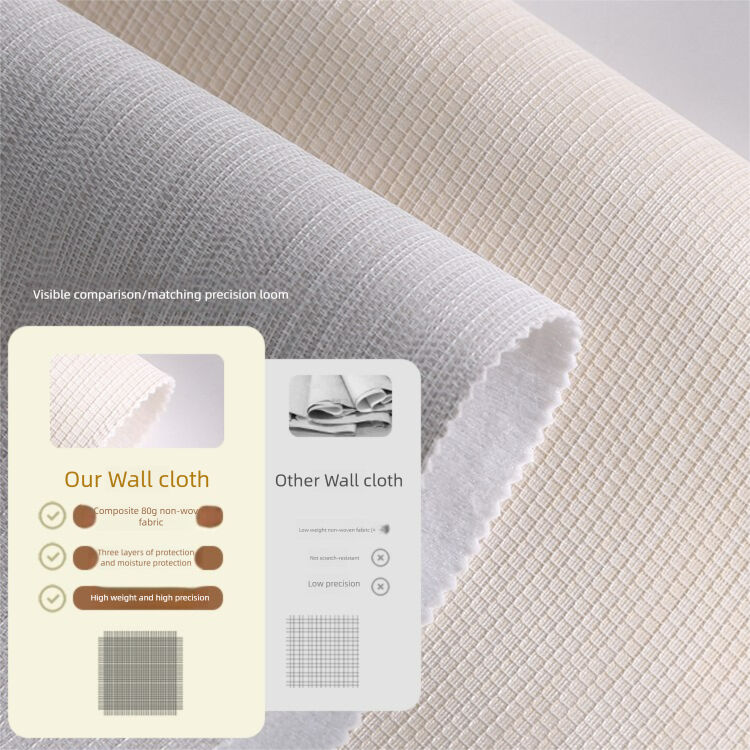
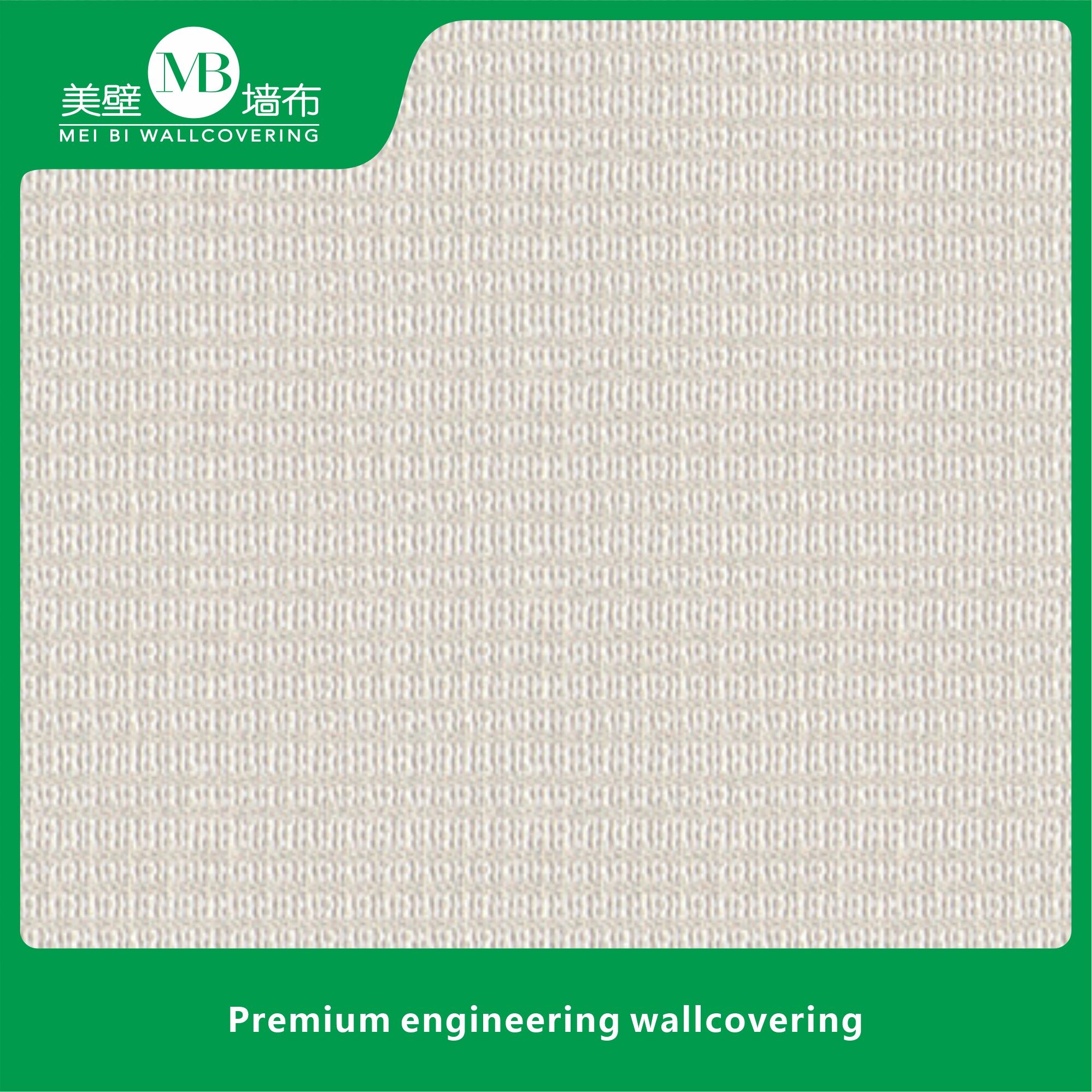
Before committing to any volume order, always request physical samples from a prospective wall cloth factory. Samples allow you to assess weave density, texture consistency, colorfastness, dimensional stability, and surface finish in a way that photographs and digital specifications simply cannot replicate. Evaluate samples under different lighting conditions to understand how the material will perform in real installation environments.
A reputable wall cloth factory will send samples that accurately represent their standard production output. Be cautious of factories that send exceptional samples but cannot guarantee that bulk production will match. Request samples from at least two different production runs if possible, and ask whether the samples were produced specifically for the sample request or pulled from actual inventory stock.
Compare the physical samples against the factory's stated specifications for weight, width, and material composition. If there is a significant gap between specification and reality in the sample stage, that discrepancy will almost certainly appear — and likely worsen — at production scale. This testing phase is your most cost-effective opportunity to identify quality control weaknesses at a wall cloth factory before financial exposure increases.
Small Trial Orders Before Full Commitment
Following successful sample review, placing a small trial order is the next logical verification step. A trial order with a wall cloth factory lets you assess real-world performance across the entire supply cycle — production lead time, packaging quality, logistics coordination, documentation accuracy, and responsiveness to any issues that arise during the order process.
Evaluate how the factory communicates during the trial order period. Do they provide proactive production updates? Do they respond to inquiries promptly and accurately? Are the shipping documents correct and complete? The quality of a wall cloth factory's communication and administrative processes is a strong predictor of how they will perform under the pressure of larger, more complex orders.
Factory Audit and On-Site Verification
Conducting a Physical or Third-Party Factory Audit
For high-volume or long-term sourcing relationships, an on-site audit of the wall cloth factory is one of the most reliable verification methods available. A physical visit allows you to see production equipment firsthand, observe quality control processes in action, assess worker conditions, and validate that the factory's actual capabilities match what was presented in their sales materials or capability statements.
If direct travel is not feasible, commissioning a third-party audit through an accredited inspection agency is a widely accepted and highly effective alternative. These agencies specialize in factory audits and can provide structured reports covering production capacity, quality management systems, workforce size, equipment condition, and compliance status. An independent audit report from a credible inspection body adds a verifiable layer of assurance that a wall cloth factory is operating as represented.
During an audit, pay particular attention to how raw materials are stored, how work-in-progress is handled between production stages, and how finished goods are inspected before shipment. These operational details reveal the day-to-day discipline of a wall cloth factory and are difficult to fabricate for the benefit of an audit visit.
Evaluating Workforce and Technical Expertise
The human capital within a wall cloth factory is as important as the machinery. A factory staffed by experienced textile technicians, quality inspectors, and knowledgeable production supervisors is better positioned to maintain output quality than one heavily reliant on untrained labor with minimal oversight. Ask about staff training programs, tenure of key technical personnel, and whether the factory employs dedicated quality control specialists.
Technical expertise at the management level is also a meaningful signal. Factories where leadership has direct backgrounds in textile engineering or materials science tend to make better investment and process decisions that ultimately benefit product quality. When visiting or auditing a wall cloth factory, take the opportunity to speak with production or technical managers — not only sales representatives — to gauge the depth of expertise behind the product offering.
Communication, Service Standards, and Partnership Indicators
Assessing Responsiveness and Transparency
A trustworthy wall cloth factory demonstrates transparency in its communications from the very first interaction. This includes providing clear, accurate answers to technical questions, willingness to share factory information, and straightforward discussion of lead times, minimum order quantities, and pricing structures. Evasive, inconsistent, or heavily scripted responses are warning signs that the factory may not be operating with the openness required for a dependable supply relationship.
Responsiveness is a practical indicator of how a factory manages operational relationships. A wall cloth factory that takes days to respond to basic pre-sales inquiries will likely be equally slow when addressing urgent production or quality issues mid-order. Test responsiveness early by asking detailed technical questions and observing both the speed and quality of the replies you receive.
Long-Term Partnership Orientation
Reliable manufacturers view their B2B relationships as long-term partnerships rather than transactional exchanges. A wall cloth factory with a partnership orientation will invest time in understanding your project requirements, offer consistent pricing for repeat business, and proactively communicate about lead time changes or material availability issues before they become problems. These behaviors reflect an operational culture that values client retention over short-term revenue maximization.
Ask prospective factories about their existing client relationships. How long have they worked with their established buyers? Can they provide references from long-standing clients who can speak to the factory's consistency over time? A wall cloth factory with strong, multi-year client relationships has demonstrably proven its ability to maintain service and quality standards across sustained business engagement. You can explore factory-direct sourcing options — such as those available through a verified wall cloth factory — to compare product quality and service orientation as part of your evaluation process.
FAQ
What documents should I always request from a wall cloth factory before placing an order?
At minimum, you should request the factory's current business registration documents, relevant product certifications (such as quality management, fire resistance, and environmental compliance), and production capability statements. Physical product samples should also be obtained before any financial commitment. For large orders, an independent audit report from a third-party inspection agency provides additional verification that the wall cloth factory operates as represented.
How can I verify that a wall cloth factory's certifications are genuine and current?
Request original certificate documents rather than photocopies, and verify them directly with the issuing certification body where possible. Many certification organizations maintain online databases where you can search by company name or certificate number to confirm validity. Ensure that the company name, address, and scope of certification match the entity you are dealing with, and confirm that the expiry date on the certificate has not passed.
Is it necessary to visit a wall cloth factory in person before sourcing from them?
An in-person visit is highly recommended for significant or ongoing sourcing relationships, as it provides the most direct evidence of a factory's true capabilities and operational standards. However, if travel is not practical, commissioning a third-party audit through an accredited inspection agency is an effective alternative. Remote video audits conducted in real time are also increasingly accepted as a supplementary verification method for a wall cloth factory.
What are the most common red flags when evaluating a wall cloth factory?
Key red flags include reluctance to share business registration documents or certifications, inability to provide physical product samples on request, vague or inconsistent answers to technical questions, very long response times during pre-sales communication, heavy reliance on subcontractors for core production, and pressure tactics to skip sampling or trial order stages. Any wall cloth factory that discourages due diligence should be treated with significant caution.
Table of Contents
- Understanding What Makes a Wall Cloth Factory Truly Reliable
- Documentation and Certification Verification
- Sampling and Pre-Order Quality Assessment
- Factory Audit and On-Site Verification
- Communication, Service Standards, and Partnership Indicators
-
FAQ
- What documents should I always request from a wall cloth factory before placing an order?
- How can I verify that a wall cloth factory's certifications are genuine and current?
- Is it necessary to visit a wall cloth factory in person before sourcing from them?
- What are the most common red flags when evaluating a wall cloth factory?